

The Gilet That Rode In From the Stables
The polo club gilet has spent decades as a functional staple of equestrian paddocks and country estate weekends – a quilted, slim-cut vest worn more out of practicality than any real style ambition. That positioning is changing fast. Over the past two seasons, the silhouette has been showing up far outside its natural habitat: on city commuters, at weekend markets, layered over turtlenecks and tailored shirts in a way that feels deliberate rather than accidental.
What makes this shift interesting is the direction it moves against. The oversized puffer jacket has dominated cold-weather dressing for nearly a decade, rewarded for its warmth-to-effort ratio and its ability to flatten any outfit into something effortlessly casual. The polo gilet does the opposite. It adds structure. It narrows the silhouette. It implies that whoever is wearing it has somewhere specific to be – and probably owns a horse, or at least wants you to think they might.

Why the Puffer Is Losing Ground
Puffer fatigue is real. When a garment becomes so widely worn that it appears on every age group, income bracket, and body type without distinction, it starts to lose its ability to communicate anything about the person wearing it. The oversized puffer reached that saturation point gradually, then all at once. Wearing one now reads as default cold-weather dressing rather than a considered choice – and for a large portion of fashion-conscious consumers, that neutrality has become a liability.
The polo gilet fills the gap left by that neutrality with a very specific set of associations. It borrows credibility from equestrian culture – an aesthetic that has always carried a particular blend of wealth, discipline, and understatement. The garment does not try to be loud. It is fitted, often worn in navy, forest green, or burgundy, with a simple stand collar and a clean quilted pattern. That restraint is exactly what makes it feel current right now, when the broader appetite in fashion is running toward quieter signals and more deliberately considered dressing.
How Brands Are Positioning the Look
Several heritage outerwear labels have quietly updated their gilet offerings over the past year, adding refined linings, slimmer cuts, and colorways that skew more wardrobe-versatile than purely equestrian. The goal, clearly, is to hold onto the countryside credibility while making the garment work for a broader audience that will never set foot near a polo match. It is a careful balance – lean too hard into the equestrian branding and you limit your buyer; strip it out entirely and you lose the cachet that made the piece appealing in the first place.
Streetwear-adjacent labels are approaching the same territory from a different angle. Some are experimenting with technical fabrics – water-resistant shells, recycled fill materials – that keep the slim gilet silhouette while signaling an outdoorsy, performance-oriented identity. These versions tend to drop the polo club references entirely and instead position themselves closer to hiking and trail culture. The result is still recognizably a gilet, but it speaks to a different buyer with a different set of aspirations.
The middle ground between those two camps is where the most interesting product is appearing: gilets that carry the tailored proportions of equestrian wear but use materials and details – matte finishes, tonal zips, minimal branding – that place them comfortably in an urban wardrobe. This version pairs as easily over a crewneck sweater at a Saturday farmers market as it does over a shirt and tie for a smart-casual work environment. That versatility is a direct argument against the puffer, which tends to collapse any layered outfit into one undifferentiated bulk.
The pricing also works in the gilet’s favor at the mid-to-upper market. A well-made quilted gilet from a recognized heritage label typically costs less than an equivalent-quality puffer jacket, partly because the construction is simpler and partly because the category has not yet attracted the full premium markup that puffers carry at the high end. For shoppers who want quality outerwear without paying for a name-brand puffer, the gilet represents reasonable value. That calculus will likely shift as the trend matures.
The Equestrian Aesthetic and Its Appeal
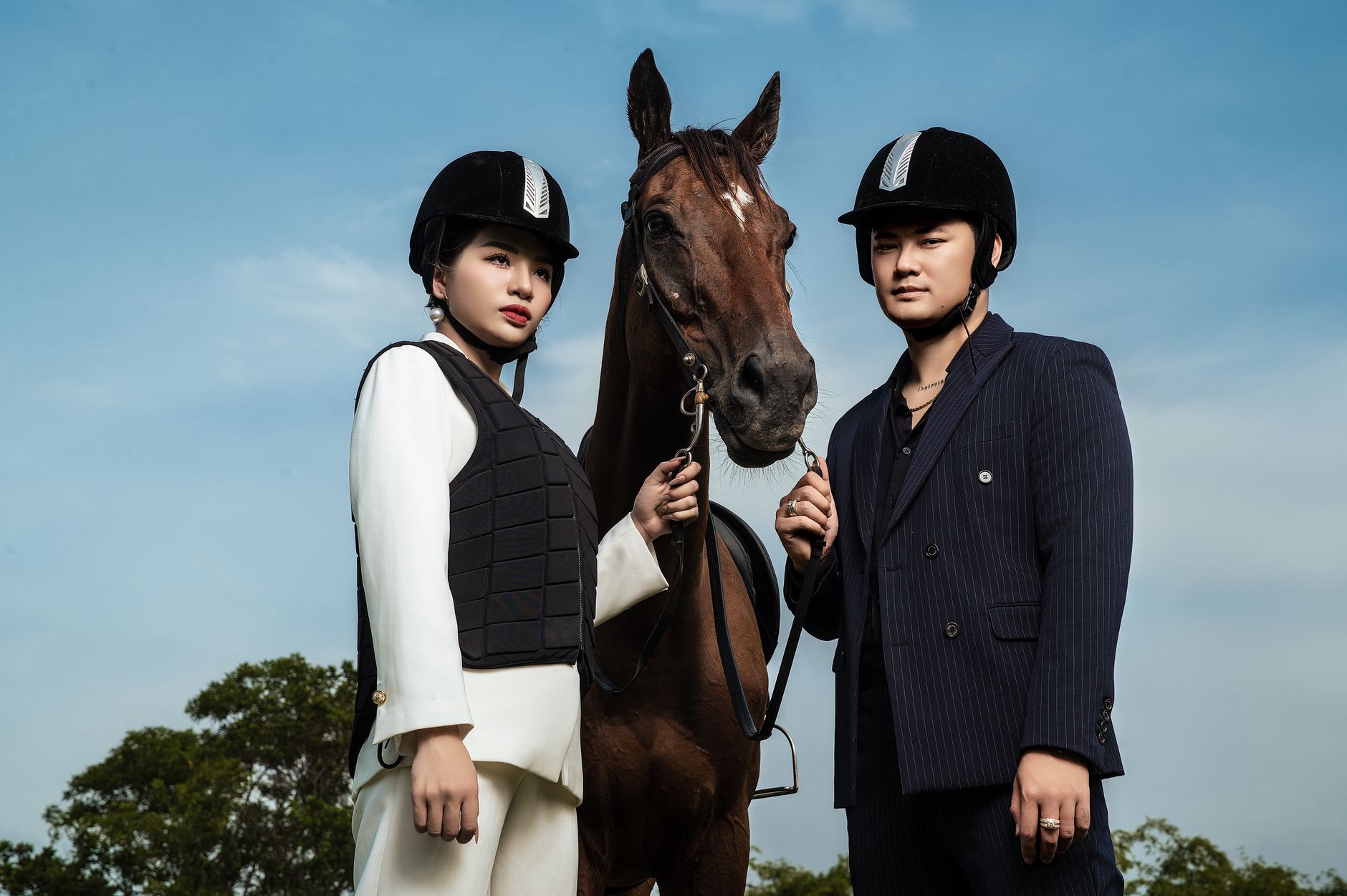
Equestrian style has a longer runway in fashion than most sport-adjacent aesthetics, largely because its codes are so stable. The same silhouettes, fabrics, and color palettes that defined country estate dressing fifty years ago still read as authoritative today. This is not a trend cycle – it is a visual language with genuine longevity, and the polo gilet sits at its center. The trend toward equestrian-influenced outerwear more broadly has been building for several seasons, with barn jackets and yard coats migrating from working stables into luxury wardrobes at a notable pace.
The polo gilet benefits from that momentum without being trapped by it. It is practical enough to avoid reading as costume, and refined enough to avoid reading as workwear. That particular balance – useful but not utilitarian, polished but not formal – is exactly where modern outerwear needs to live if it wants to hold a place in a wardrobe that already has too many options.
How to Wear It Now
The strongest styling argument for the polo gilet is layering. Worn over a heavyweight turtleneck or a chunky roll-neck sweater, it adds visual interest at the torso without adding bulk to the shoulders or arms – a combination that the puffer cannot offer. The exposed arms and shoulders give the overall outfit a sharper profile, which reads especially well on tailored trousers or straight-leg jeans. The silhouette works for both men and women, with minimal adjustment to the underlying formula.
Color plays a significant role in keeping the look modern rather than simply nostalgic. The heritage colorways – bottle green, navy, claret – are the most reliable choices for anyone building around an existing wardrobe. Newer drops are pushing into camel, stone, and even pale grey, which works well for urban contexts where the equestrian reference needs to be dialed back. A gilet in one of these neutral tones over a white Oxford shirt and dark denim is essentially a uniform for effortless smart-casual dressing, no country estate required.
The real test for any outerwear trend is whether it survives the warmth question. The polo gilet, by design, does not offer full coverage – and on genuinely cold days, that matters. The answer is not to abandon it but to treat it as a layering piece rather than a standalone coat, worn under a longer overcoat when temperatures drop seriously. That flexibility – something the puffer resists by virtue of its own volume – may turn out to be the gilet’s most durable advantage.
Frequently Asked Questions
What is a polo club gilet?
A polo club gilet is a slim-cut, quilted vest rooted in equestrian culture. It typically features a stand collar, fitted silhouette, and classic colorways like navy or forest green.
How do you style a polo gilet for everyday wear?
Layer it over a turtleneck or roll-neck sweater with straight-leg trousers or dark denim. Neutral tones work best for urban settings where the equestrian reference should stay subtle.