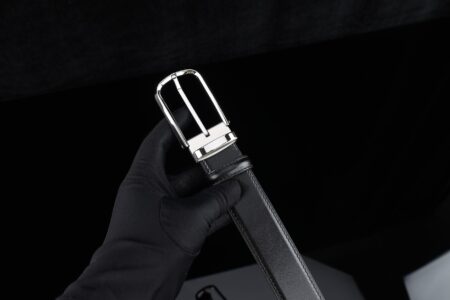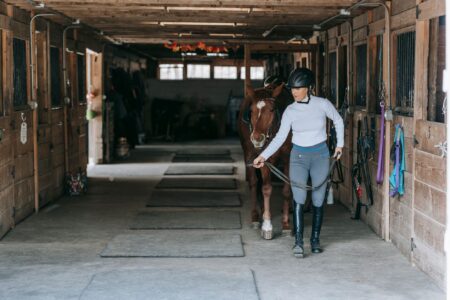


The neck strap loop – that small, often overlooked piece of equestrian tack hardware – has crossed from the stable into the accessories studio, and its arrival is anything but accidental.

From Tack Room to Trunk Show
On a polo pony, the neck strap loop serves a precise function: it anchors a safety strap around the horse’s neck, giving a rider something to grab when a shot pulls them forward. The loop itself is a reinforced ring of leather or brass, stitched tight and built to take serious force. That combination of structural integrity and compact elegance is exactly what bag designers have started borrowing.
The translation happens most visibly in shoulder hardware – those small D-rings, O-rings, and rectangular loops that connect a bag’s body to its strap. Where traditional hardware has leaned on polished metal casting with minimal character, the neck strap loop brings a different visual vocabulary: slightly thicker proportions, visible stitching channels alongside the ring, and a tendency toward antique brass or burnished nickel rather than mirror chrome. The result reads as purposeful rather than decorative, which is a meaningful distinction in a market saturated with bags that lead with ornament over function.
What makes the shift particularly interesting is the silhouette logic behind it. A neck strap loop sits flush against a flat surface when not under tension, then opens cleanly when a strap clips in. Applied to a bag, this means the hardware lies flat against the leather when the bag is carried by hand, then engages the shoulder strap without bulk or awkward protrusion. Structurally, it solves a problem that conventional spring-loaded clasps and swivel hooks have never fully addressed – the tendency to rotate, snag on fabric, or add unnecessary visual weight to the shoulder line.
Bags that carry this hardware detail tend to share a related aesthetic: clean body lines, minimal external pockets, and leathers with enough stiffness to let the hardware speak on its own terms. The neck strap loop works against floppy nappa or heavily quilted surfaces – it needs a firm edge to sit properly. This has steered the trend toward structured totes, boxy shoulder bags, and the kind of top-handle silhouettes that already borrow heavily from equestrian saddlery traditions.
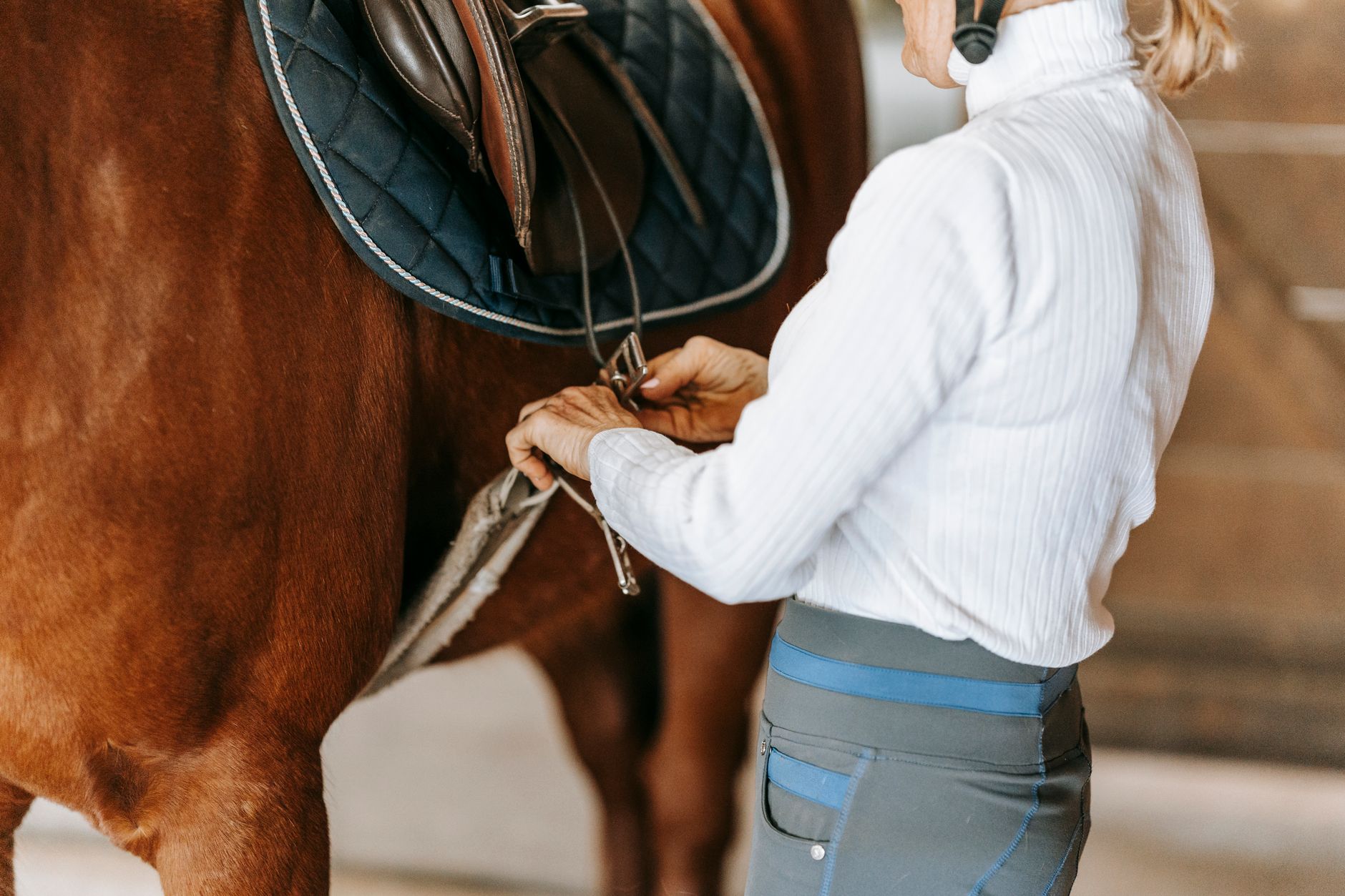
Why the Hardware Detail Carries So Much Weight
Bag hardware has always been a shorthand for quality signaling. A well-cast clasp or a precisely weighted zipper pull tells a shopper something about the investment behind a piece before they even open it. The neck strap loop takes that signaling further because it carries a recognizable reference point – anyone familiar with equestrian tack spots it immediately, and that specificity reads as research rather than random design choice. It suggests a designer who studied the source material rather than approximated a general “sporty” aesthetic.
The equestrian crossover in fashion has a long and documented runway history, but most of those references have concentrated on garment cuts – the saddle panel seaming that has moved into tailored trouser cuts, the flap construction borrowed from riding jackets, the knee-patch detailing on trousers. Hardware has been slower to follow, partly because translating a functional metal component from one industry to another requires manufacturers who understand both contexts. Bag hardware is typically sourced from specialized foundries, and getting them to reproduce tack-specific shapes with the tolerances required for fashion use takes time and intent.
The proportions matter more than they might seem. A neck strap loop scaled directly from horse tack would overwhelm most bags – the originals are sized for a leather strap thick enough to bear a rider’s weight. The adaptation requires scaling down while preserving the visual signature: that slight squareness, the visible channel stitch marks alongside the ring, the heavier gauge than a standard D-ring. Getting that balance wrong produces hardware that just looks clunky rather than considered. The versions gaining traction in current collections have clearly gone through multiple proportion passes.
Color and finish choices amplify the equestrian read considerably. Antique brass is the dominant finish, partly because it ages in the same direction as vegetable-tanned leather – both patina together, both develop character with use. Bright gold or silver hardware against the same leather body would pull the reference toward something more generically luxe, diluting the specific polo club association. Burnished nickel occupies a middle ground that works particularly well with darker leathers, keeping the hardware present without overwhelming the surface.
There is also a durability argument embedded in the choice. Neck strap loops in actual tack are tested against forces far beyond what a bag shoulder strap will ever encounter. Using that hardware form in accessories – even scaled and adapted – implies a construction standard that most bag hardware never has to justify. Whether that implication is fully realized in any given piece depends on the manufacturer’s commitment to the source detail, but the promise of the reference itself carries weight with buyers who have grown skeptical of hardware that looks strong but fails within a season.
The Styling Consequence

Wearing a bag with neck strap loop hardware changes how the strap reads in context. Because the loop sits flush and secure rather than swiveling or dangling, the strap appears as a true structural element of the bag rather than an afterthought attachment. Crossbody carry in particular benefits – the strap falls at a cleaner angle and doesn’t torque at the connection point the way a swivel hook tends to. Against tailored separates or a clean-lined coat, that geometric precision compounds well.
The one tension worth watching: as the detail spreads through more accessible price points, the hardware quality tends to degrade faster than the shape does. A neck strap loop cast from thin zinc alloy carries the visual code of the original without any of its structural credibility, and the difference becomes apparent quickly under regular use. The detail’s appeal depends on the hardware actually performing the way tack hardware performs – which means the bags that earn a second look will be those where the loop is heavy enough to feel earned rather than applied.
Frequently Asked Questions
What is a polo club neck strap loop?
It’s a reinforced leather or brass ring used in equestrian tack to anchor a safety strap around a horse’s neck, now being adapted as bag shoulder hardware.
What bag styles work best with neck strap loop hardware?
Structured totes, boxy shoulder bags, and top-handle silhouettes with firm leathers suit the detail best, as the hardware requires a stiff edge to sit properly.