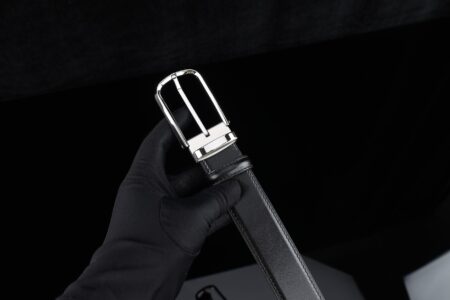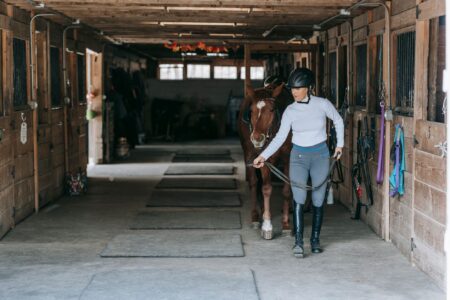


Wool numnahs – the quilted saddle pads used beneath equestrian tack to cushion a horse’s back – have spent centuries perfecting their function in the polo field. Now they are perfecting something else entirely: the interior of high-end outerwear.
From Saddle Pad to Studio Sample
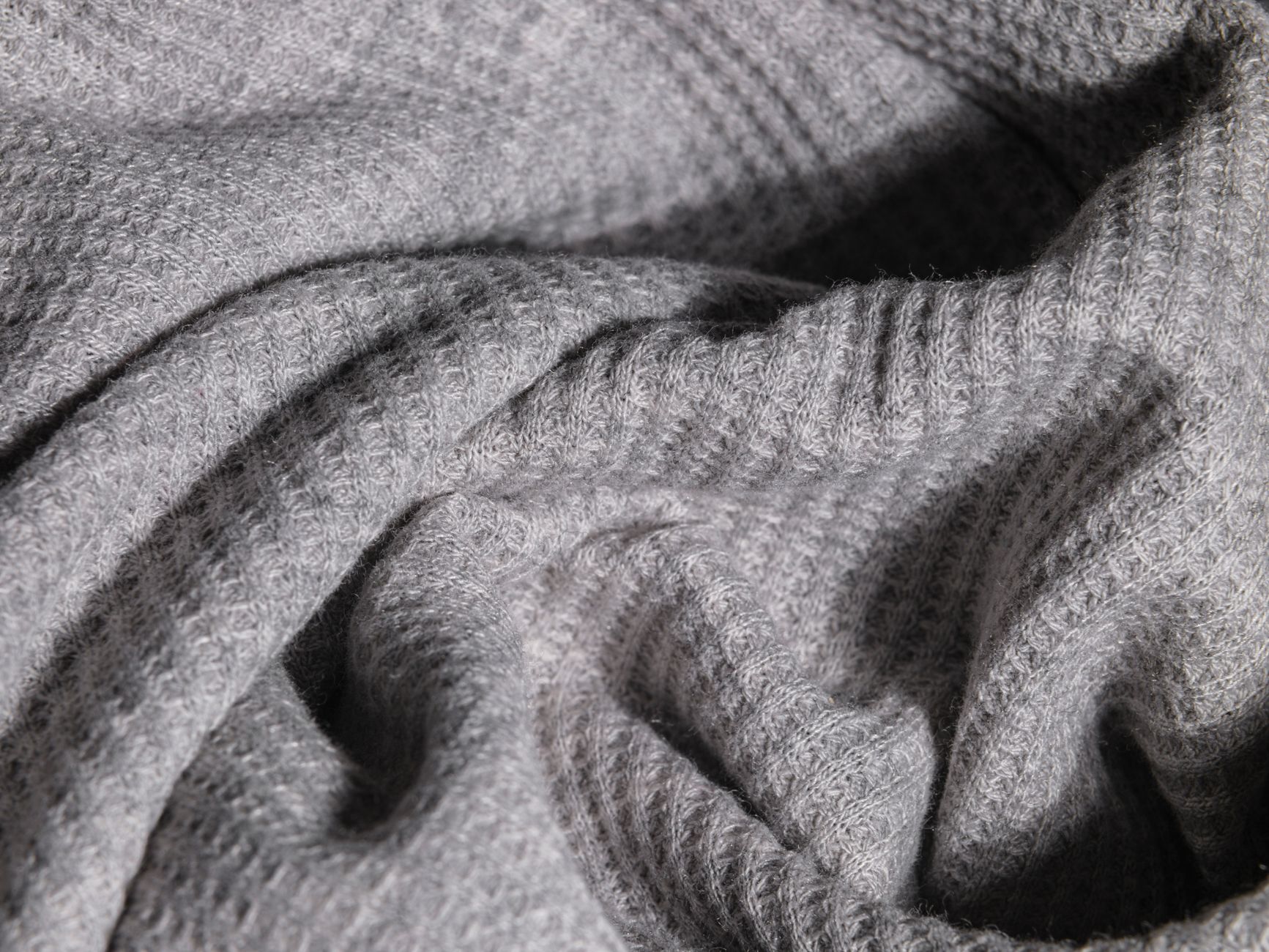
The construction logic of a wool numnah is almost absurdly well-suited to garment lining. The pad is built in quilted sections to distribute pressure evenly, resist bunching under load, and trap warmth without adding bulk that would restrict movement. Those are precisely the properties that outerwear designers spend seasons chasing – and rarely achieve with synthetic alternatives at the same weight-to-warmth ratio.
Polo Club saddlery suppliers have long offered numnahs in dense natural wool, often sourced from British or New Zealand fleece and stitched into diamond or channel-quilted panels that hold their shape through repeated impact and moisture. The material is already pre-finished for contact with sensitive skin – equine skin is notoriously reactive – which means it meets the comfort threshold for human wear without any additional processing. That is a meaningful shortcut in a supply chain where material treatment adds cost and time.
A growing number of small-batch outerwear makers are now sourcing numnah fabric – or working directly with saddlery suppliers to commission identical constructions – specifically for coat and jacket linings. The appeal is not novelty. It is performance. A quilted wool lining derived from saddlery spec holds its loft longer than most commercial interlinings, breathes in a way that synthetic wadding does not, and develops a soft patina with wear rather than pilling or degrading at the seams.
The visual signature of numnah quilting – tight, regular geometric stitching over a subtly textured wool surface – also reads as intentionally artisanal when glimpsed at a coat’s hem or cuff. This is not accidental. Designers using the material understand that the lining is increasingly part of the garment’s visible identity, turned out for display rather than hidden away.
Why Outerwear Linings Are Having a Serious Moment
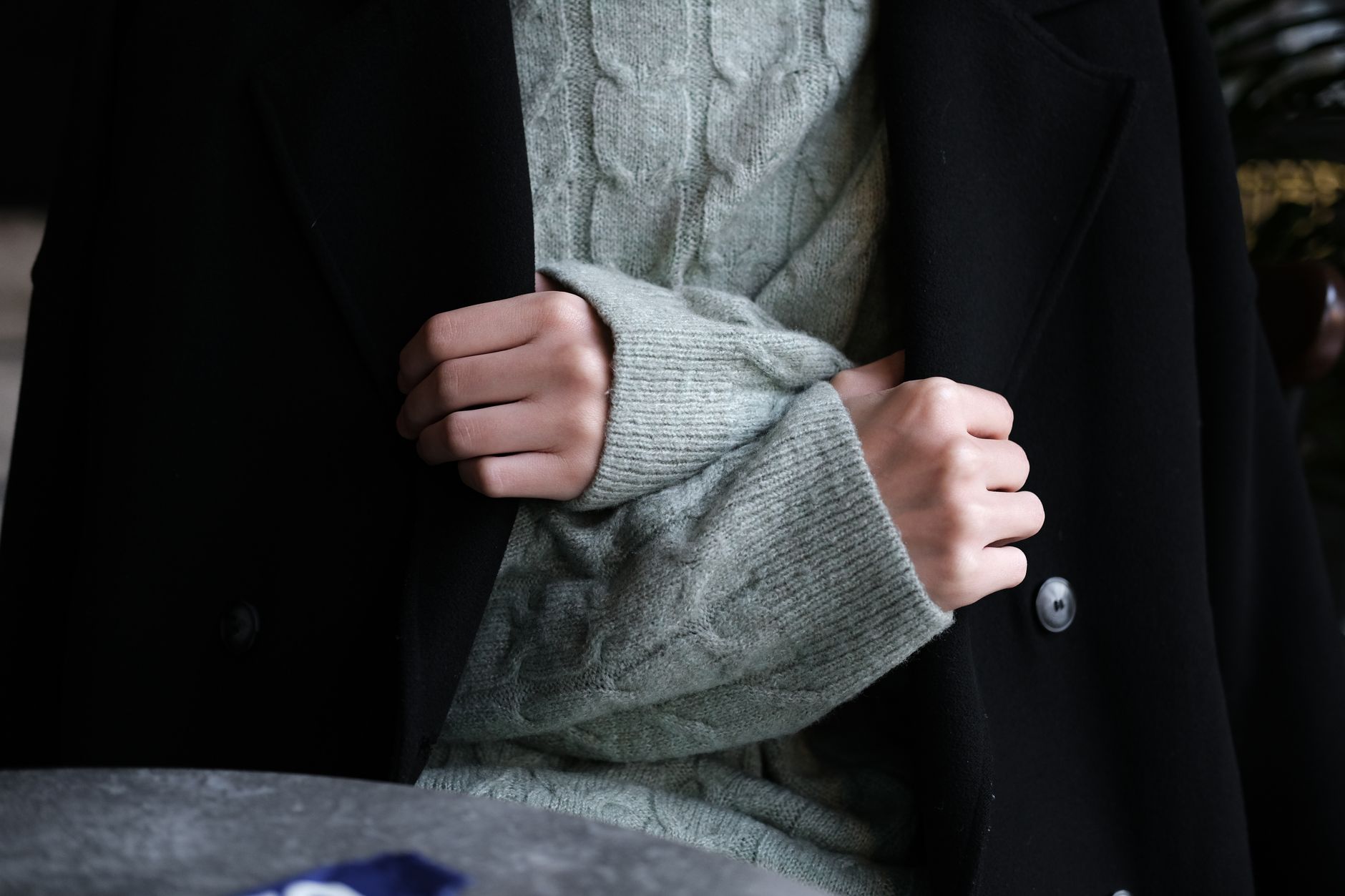
Lining design has moved from afterthought to selling point across the outerwear category. Where brands once defaulted to acetate or polyester satin – slippery, static-prone, and completely inert – there is now a clear consumer appetite for linings that do something. Insulate better. Feel better against a wool blazer. Last longer than the outer shell. Quilted wool numnahs satisfy all three demands at once, which explains why they are moving from niche saddlery sourcing into formal pattern development at garment level.
The quilted structure is also architecturally useful for outerwear. When cut and seamed correctly, quilted panels add a degree of body to a lining that prevents the coat from collapsing inward or dragging awkwardly across the torso. This is especially relevant in unstructured coats – a category that has dominated womenswear and menswear alike for several seasons – where the lining is often the only thing giving the garment its intended silhouette from the inside out.
Wool’s natural lanolin content means the material resists moisture at a fiber level, not through chemical coating. For a lining that sits against a sweater or shirt all day, that translates to less static, less clinging, and a surface that does not turn clammy in changing temperatures. Synthetic linings, by contrast, trap heat unevenly and often create that familiar situation where a coat feels warm in the cold and stifling indoors. A saddlery-grade wool lining regulates more consistently because it was designed, at its origin, for exactly that kind of variable outdoor environment.
Color is another underrated factor. Saddlery numnahs are typically produced in undyed natural tones – oatmeal, cream, warm grey, and occasionally a deep charcoal – that align naturally with the neutral palette dominating outerwear this moment. A brand does not need to reprocess the material to make it work aesthetically. The saddlery palette already looks like a considered design decision rather than a compromise.
Sustainability is a real driver here, not a marketing layer. Wool is biodegradable, traceable to source in a way that synthetic interlinings rarely are, and repairable – a quilted wool lining can be restitched if it separates, rather than replaced wholesale. For brands building garments meant to last a decade rather than a season, the durability argument is concrete and verifiable rather than aspirational.
The Saddlery Supply Chain Meets Garment Construction
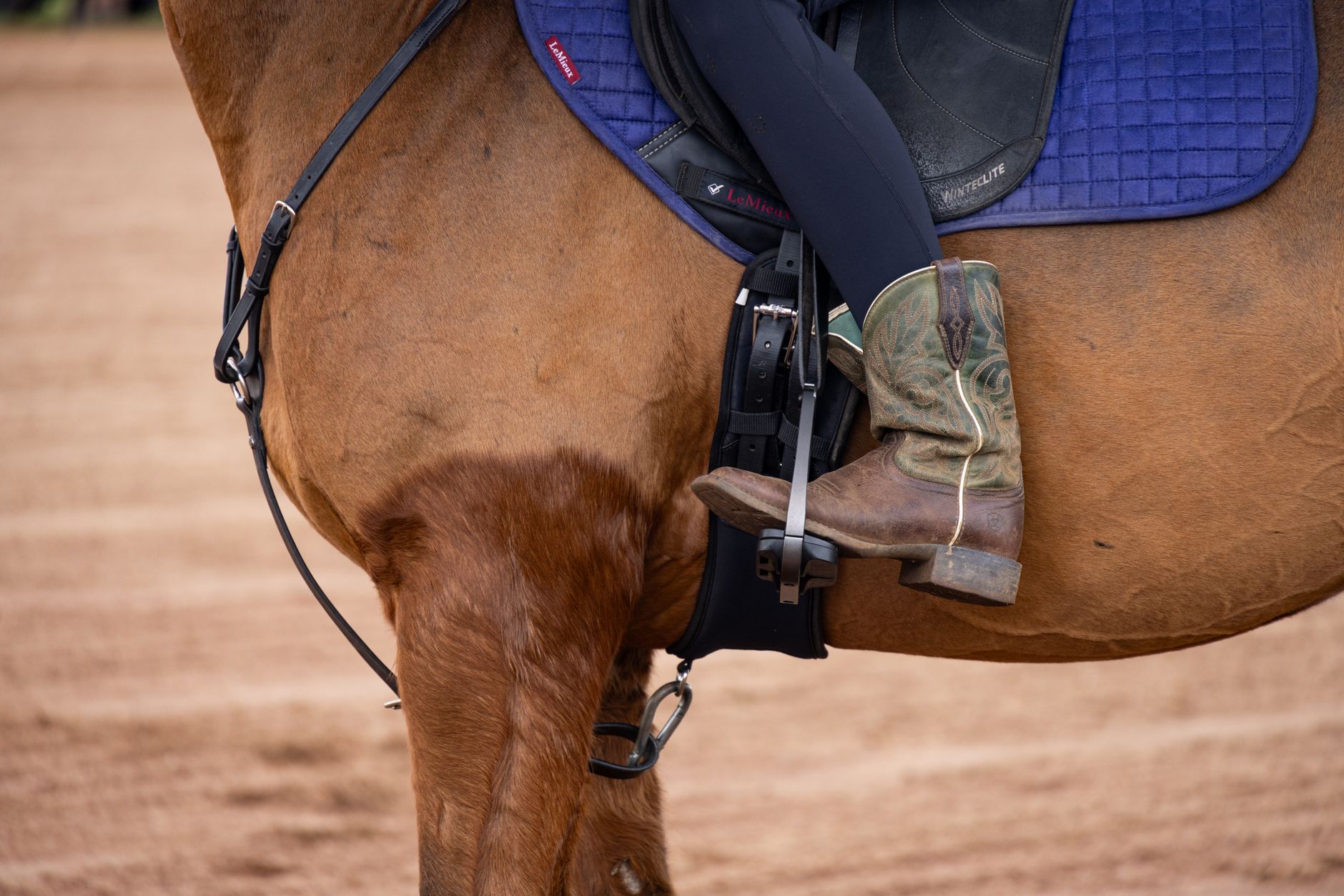
Working with saddlery suppliers requires some adjustment on the garment side. Numnah panels are dimensioned for equine back anatomy, which means pattern cutters need to account for different grain orientations and seam allowances than they would with standard lining fabric. The quilting is also fixed – it cannot be rerouted mid-panel the way a plain fabric can be seamed – so the relationship between the garment’s construction lines and the quilting grid has to be planned from the first toile. Some studios are treating this constraint as a design parameter, letting the numnah’s grid dictate pocket placement and vent positioning rather than working against it.
It is worth noting that polo club pommel rolls are making a parallel move into sculptural shoulder construction, which suggests the broader saddlery supply chain is being read by garment designers as a materials library rather than a category-specific resource. The numnah is simply the most technically mature translation so far – and the one with the most immediate wearability payoff. Whether the quilting grid eventually shows up on the outside of a coat rather than the inside is a question a few designers are already reportedly testing in their next development rounds.