

From the Polo Yard to the Fashion Belt
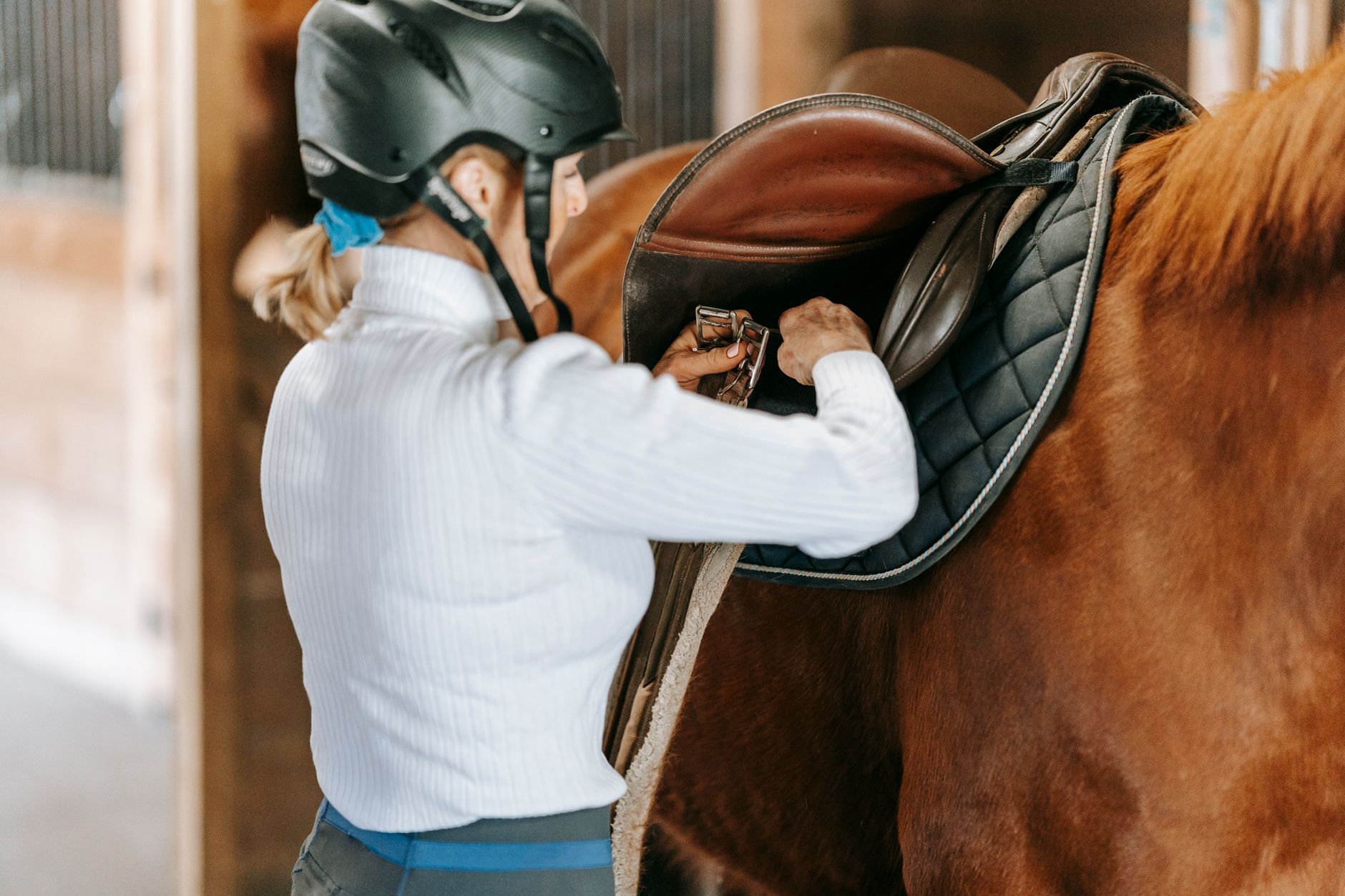
Polo club tail guard buckles were never designed with runway ambitions. Fitted to the underside of saddle flaps and tail guards, these flat, heavy-gauge metal closures exist to take punishment – securing leather straps under the pressure and movement of competitive equestrian sport. Their aesthetic was always incidental, a byproduct of function. Which makes it all the more striking that they are now showing up on structured fashion belts, recontextualized as the defining hardware detail of a quietly building trend.
The shift is not loud. It is not arriving through a viral moment or a single statement collection. Instead, it is the kind of slow press that defines how heritage equipment references actually land in fashion – through accumulation, through repetition across independent designers and small accessory labels who are drawn to the same visual logic without coordinating their moves. The tail guard buckle’s appeal is specific: a squared or rectangular frame, a fixed center bar, a low-profile prong, and a surface finish that reads as worn-in authority rather than polished glamour.
What Makes the Tail Guard Buckle Different
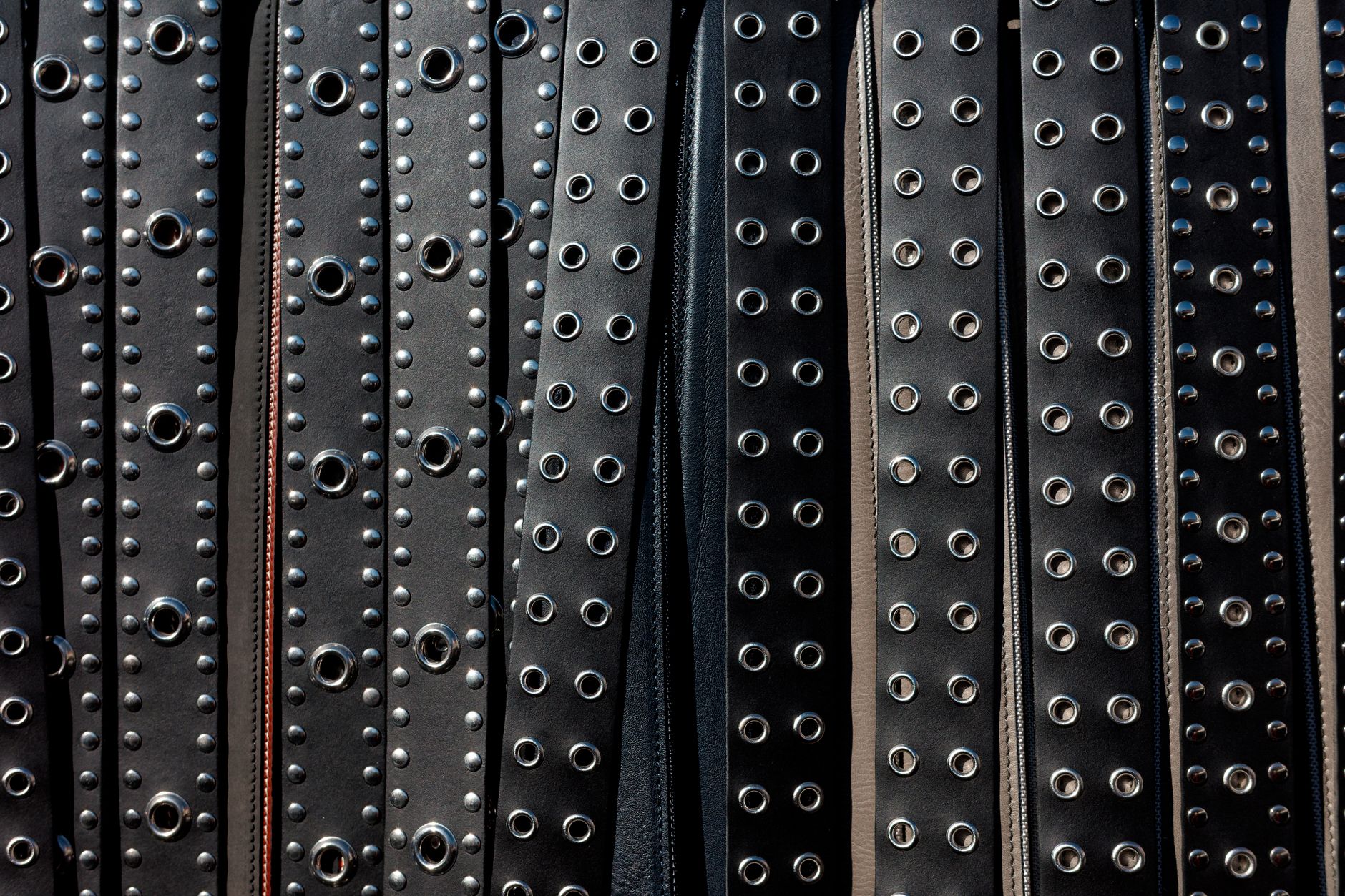
Standard fashion belt hardware trends toward the decorative. Double-ring slides, oversized O-rings, logo plaques, and pyramid-stud rollers all announce themselves. The tail guard buckle does the opposite. Its geometry is disciplined – closer to workwear hardware than to accessory embellishment – and its proportions are calibrated for tension, not display. The result is a buckle that reads as structural rather than ornamental, which is precisely why it fits the current appetite for belts that look like they are actually holding something together.
The equestrian origin adds a layer that pure workwear hardware does not carry. Polo club equipment sits at the intersection of sport and privilege, of muddy paddocks and immaculate white jodhpurs, of old money and physical work. That tension is useful to designers working in the space between tailoring and utility, where the customer wants clothes that reference tradition without feeling costumed. A tail guard buckle on a wide structured leather belt signals access to that lineage without requiring the wearer to explain it.
How Structured Belts Are Absorbing the Reference
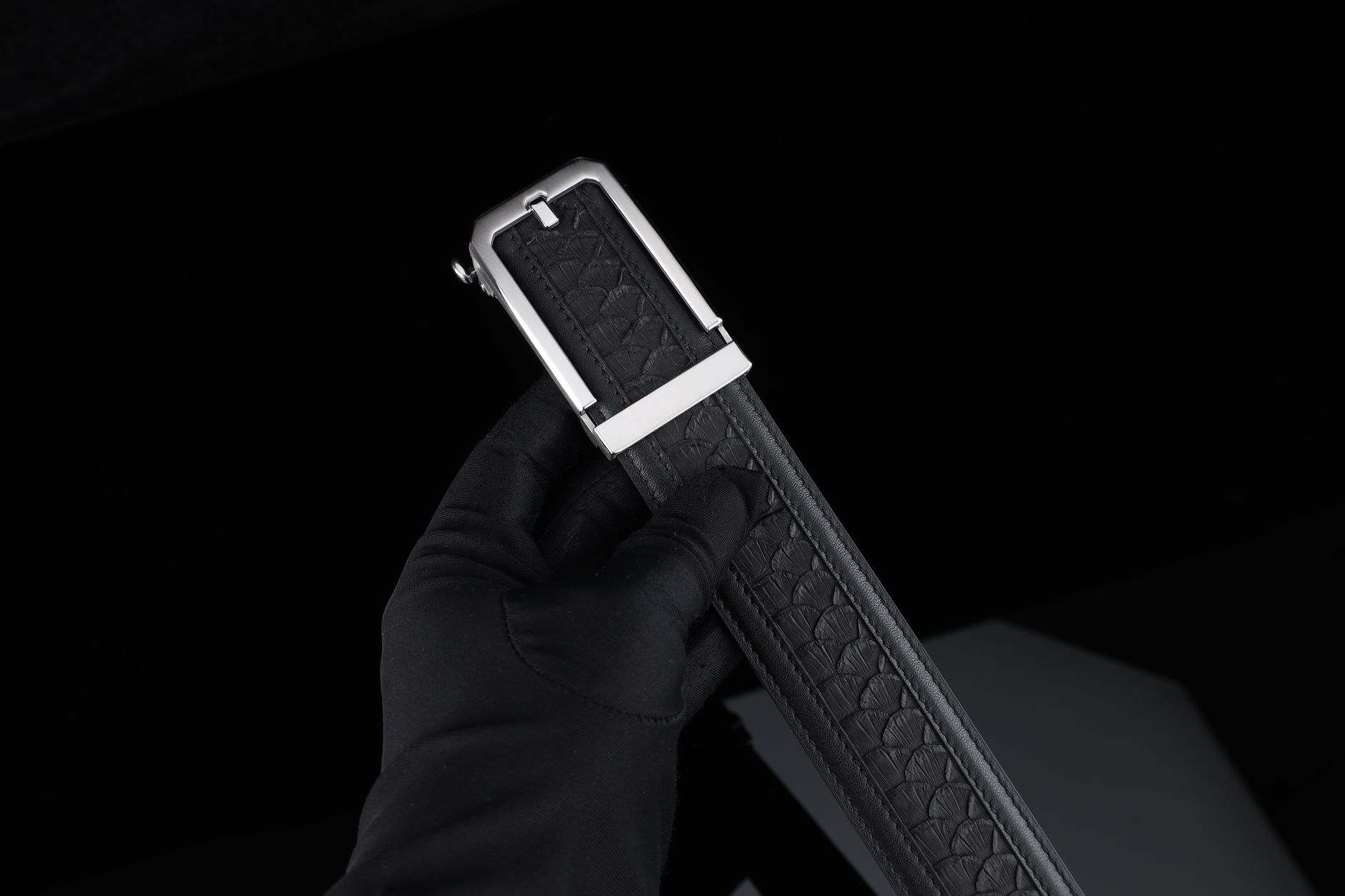
The belts carrying this hardware are not equestrian pieces. They are structured waist belts in full-grain and vegetable-tanned leathers, often cut wider than a standard trouser belt – anywhere from 4cm to 7cm – with minimal surface detailing so the buckle reads clearly. Some versions add a single keeper loop in matching leather. Others leave the strap clean. The point is that the buckle is not accessorizing the belt; it is the belt’s entire visual argument.
Color is doing specific work here. The most consistent palette runs through raw brass, antique bronze, and oxidized silver – finishes that suggest age and use rather than newness. Bright chrome and high-polish gold are mostly absent from this particular trend, because they read as fashion hardware rather than equipment hardware. The finish has to be dull enough to suggest the thing has been somewhere, done something, before it arrived on a coat or a trouser silhouette.
Styling is gravitating toward two distinct contexts. The first is over structured outerwear – long coats, belted blazers, double-breasted wool pieces – where the buckle’s weight and geometry anchor an otherwise fluid silhouette. The second is with relaxed tailoring: wide-leg trousers, unstructured suit jackets, shirts worn open. In the second context, the belt becomes the most intentional item in an otherwise deliberately casual outfit, which is a classic inversion move that fashion has always rewarded.
There is also a quiet conversation happening with sock garters and other equestrian-adjacent accessories making their way into everyday wardrobe contexts – Eton College-style sock garters pressing into minimalist leg bands being one parallel example of how institutional sport equipment is finding new life outside its original context. The tail guard buckle sits in that same category: an object with a specific, non-fashion purpose that turns out to have exactly the right visual weight for the current moment.
The Material Logic Behind the Trend
Part of why this hardware translates so cleanly is that structured leather belts and equestrian equipment share a material vocabulary. Both rely on vegetable-tanned hides, heavy-gauge metal, and construction designed to handle stress over time. When a tail guard buckle meets a full-grain strap, the pairing feels internally consistent in a way that purely decorative hardware on the same leather would not. The buckle belongs to the material, not just to the silhouette.
This matters to a customer who has become increasingly skeptical of hardware that looks substantial but is not. Light die-cast buckles on thick leather read as a broken promise. The tail guard buckle, machined or cast to handle actual load-bearing use, does not have that problem. Its weight is proportional to the strap it closes, and that proportionality is something a wearer registers even without being able to articulate why the belt feels right.
Where the Trend Is Heading
The risk with any hardware detail pulled from a specific functional context is that it tips from reference into costume. A tail guard buckle on a well-constructed leather belt reads as considered. The same hardware applied to a nylon webbing strap or a thin fashion-leather piece would likely read as costume equestrian, which is a different and less interesting statement. The designers handling this well are treating the buckle as a load-bearing element in both the physical and aesthetic sense – it has to justify its own presence through the quality of what surrounds it.
Independent leatherworkers and small-batch accessory labels are currently the primary carriers of this trend, which may be what has kept it from tipping into saturation. When a large sportswear brand or a heritage luxury house adopts a hardware detail at scale, the reference often flattens into branding. At the scale where this buckle is currently operating – short-run belts, bespoke leather workshops, small-order accessory drops – the equestrian specificity stays intact.
The question running underneath all of this is how long the buckle’s function-forward credibility holds once fashion fully recognizes it. Hardware trends tend to self-correct – the moment a detail becomes widely legible as a fashion choice, it loses the quality that made it appealing to the designers who found it first. The tail guard buckle’s best argument is that it is genuinely difficult to fake: the weight, finish, and geometry have to be right, or the whole reading collapses. That barrier to imitation may be what keeps it from cycling through the trend machine too quickly.