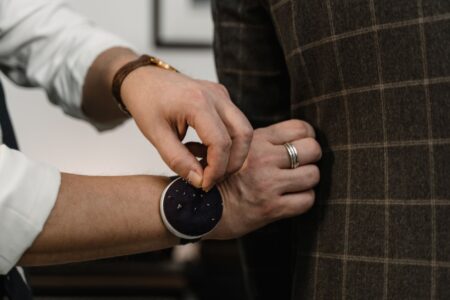


The polo umpire coat has spent over a century stationed at the sidelines of one of the world’s most visually strict sports. Now it’s moving off the pitch entirely, carried along by a wider appetite for structured, oversized outerwear that borrows its authority from workwear and sport uniforms rather than runway fantasy.
The Coat That Earned Its Silhouette
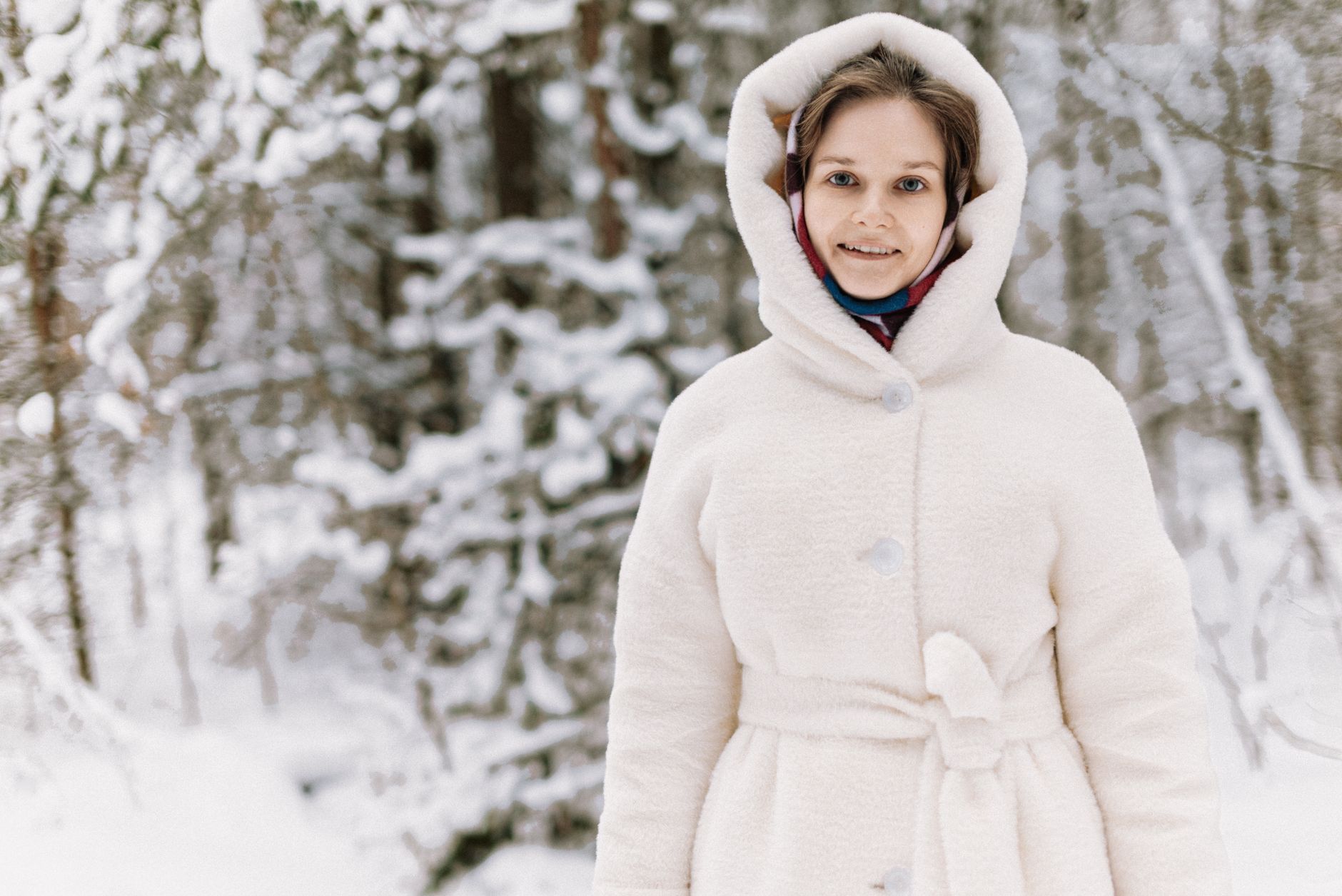
Polo umpires have always needed to be seen. Their long, double-breasted coats – traditionally cut in white or cream, falling below the knee, with wide lapels and a boxy drop-shoulder line – were designed for visibility and ease of movement on horseback. The proportions were never about fashion. They were about function in an environment where a misread call could turn a match. That utility-first logic is precisely why the silhouette is translating so well into contemporary dressing.
The coat’s architecture is genuinely distinct from most outerwear categories. It sits longer than a peacoat, broader than a traditional wool overcoat, and more structured than a duster. The chest has volume. The shoulders sit wide and slightly dropped. The hem clears the knee without quite reaching the ankle. That specific geometry – authoritative but not stiff, long but not dramatic – is landing at exactly the right moment for a market that has grown tired of the cropped puffer and the fitted trench.
Fabric plays a significant role in why this coat reads as luxurious rather than utilitarian when it exits the polo ground context. Traditional umpire coats are made in heavyweight cotton drill or technical canvas, materials with a natural drape that softens without collapsing. When brands translate that into wool melton, boiled wool, or brushed cashmere blends, the silhouette gains warmth and weight without losing its inherent formality. The double-breasted button stance – usually six buttons, set wide apart – anchors the front and gives the coat a visual structure that reads as considered rather than casual.
A growing number of outerwear designers are treating equestrian workwear as a serious reference point, not an occasional mood board detour. The umpire coat sits alongside equestrian grooms’ yard coats in this conversation – both are rooted in outdoor utility, both carry a certain institutional gravity, and both look deliberately at odds with the minimalist puffer that dominated the last several winters.
How the Silhouette Is Being Worn Now
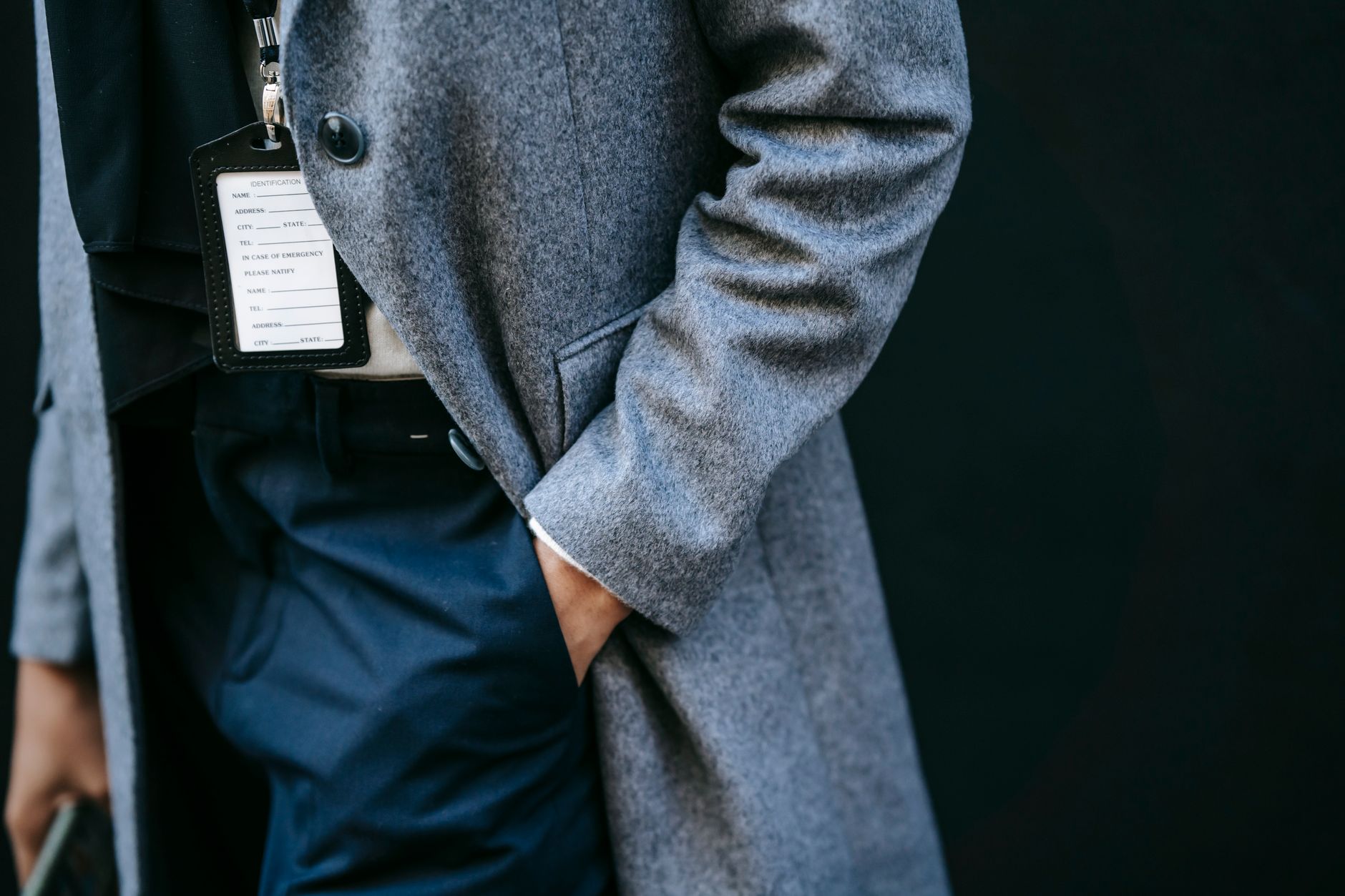
The key shift in how the umpire coat reads off the pitch is color. White and cream still appear, particularly in spring and early autumn collections, but the silhouette is gaining real traction in deeper tones – camel, chocolate brown, olive, and a particular shade of warm stone that photographs well against urban backgrounds. These colors strip the coat of its sports-official connotations while preserving its structural character. The result is something that feels intentionally borrowed rather than accidentally sporting.
Styling choices around the coat are doing a lot of work. Worn over a simple turtleneck and straight-leg trousers, it reads as boardroom-adjacent but relaxed. Thrown over wide-leg denim and a chunky knit, it becomes the anchor piece in a deliberately relaxed, layered outfit. The coat’s proportions are forgiving enough that it doesn’t demand styling precision – it carries almost any combination underneath without losing its shape. That adaptability is a genuine commercial advantage in a market where buyers want outerwear that works across multiple contexts without requiring a full wardrobe rebuild.
The oversized quality is not incidental. Current dressing sensibilities have been moving steadily toward volume since the early 2020s, but the specific volume in question matters enormously. Shapeless bulk reads as sloppy. The umpire coat offers something different – deliberate, structured width that creates a sense of ease rather than carelessness. The tailoring in the chest and back keeps it from reading as a blanket coat or a shapeless wrap, while the dropped shoulders and loose sleeves allow the kind of layering that cold-weather dressing demands.
Footwear choices are particularly telling in how this trend is being absorbed into everyday wardrobes. The coat is appearing in street style contexts alongside flat ankle boots, chunky loafers, and clean-soled sneakers – choices that deliberately undercut any residual poshness the polo reference might carry. That tension between the coat’s aristocratic origins and its current street-level styling is part of its appeal. It’s doing what the best borrowed-uniform pieces do: carrying the visual authority of its source context without requiring any actual participation in it.
Proportional dressing logic suggests this coat works best on a specific set of outfit foundations. A narrow trouser or slim straight jean creates contrast against the coat’s volume. An oversized base layer – a wide-neck sweater or a boxy shirt – maintains the volume conversation throughout the outfit without competing for attention. The umpire coat is generous enough at the chest and shoulders that anything too fitted underneath reads as an accident rather than a choice. Getting the interior proportions right is the difference between wearing the coat and being worn by it.
Where the Trend Is Settling
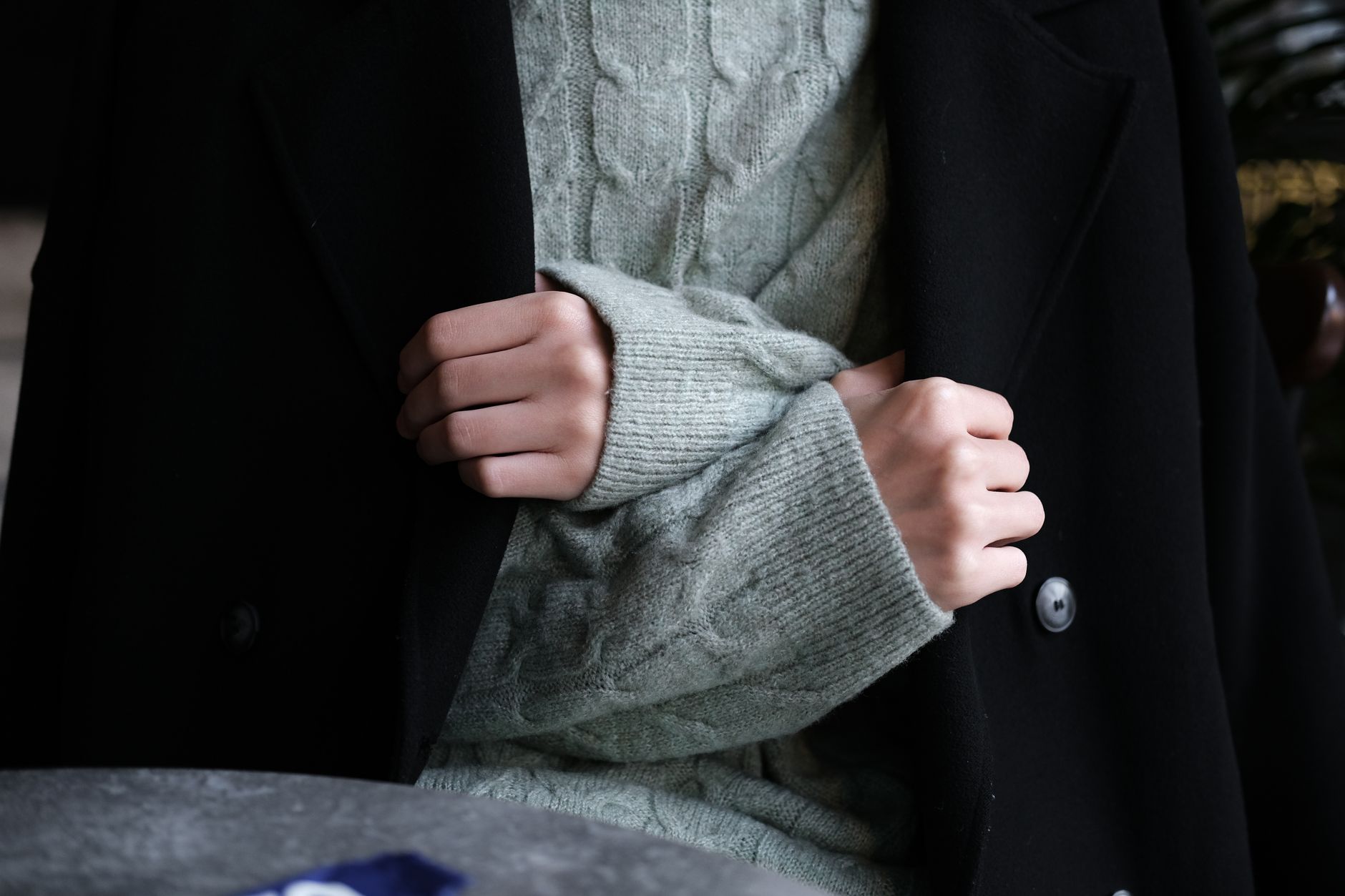
The umpire coat is being absorbed into a specific style register that sits between dressed-down luxury and elevated casual. It is not a formal coat in the traditional sense – it lacks the precision cut and restrained proportions of a Savile Row overcoat. But it brings enough structure and intention to elevate outfits that might otherwise read as purely relaxed. That middle register is where a significant amount of contemporary outerwear appetite lives right now, and the coat occupies it naturally rather than by force.
What remains unresolved is whether the white and cream versions can cross over without retaining too much of their sports-official visual baggage. Ivory umpire coats are appearing in editorial contexts, styled with simple black basics and architectural footwear, but the association is harder to neutralize than it is with the darker colorways. Whether that specificity becomes a liability or becomes the coat’s most distinctive signature in wider culture is the more interesting question hanging over this particular silhouette.