


The Equestrian Edge Infiltrating Everyday Carry
Rowing club aesthetics have spent the last two seasons quietly migrating from boathouse to boutique, and the latest detail making that crossing is the rubbing strip – the reinforced protective band traditionally bonded along the hull of a rowing shell to absorb dock contact and prevent structural damage. Handbag designers have noticed the visual logic of this component: a low-profile strip of contrasting material running along the base of a bag, functional in appearance, architectural in effect. It reads as technical. It reads as deliberate. And right now, that combination is winning.
The structured tote base – that rigid, board-stiffened bottom panel that kept the form-over-function era of bags alive for years – is facing genuine competition from this softer, sport-derived alternative. Where stiffened bases promised shape retention, rubbing strip construction offers something more nuanced: a bag that moves with its owner while still projecting seriousness. The shift is subtle enough that most people carrying these bags haven’t consciously registered the design language. That’s exactly the point.

What a Rubbing Strip Actually Does
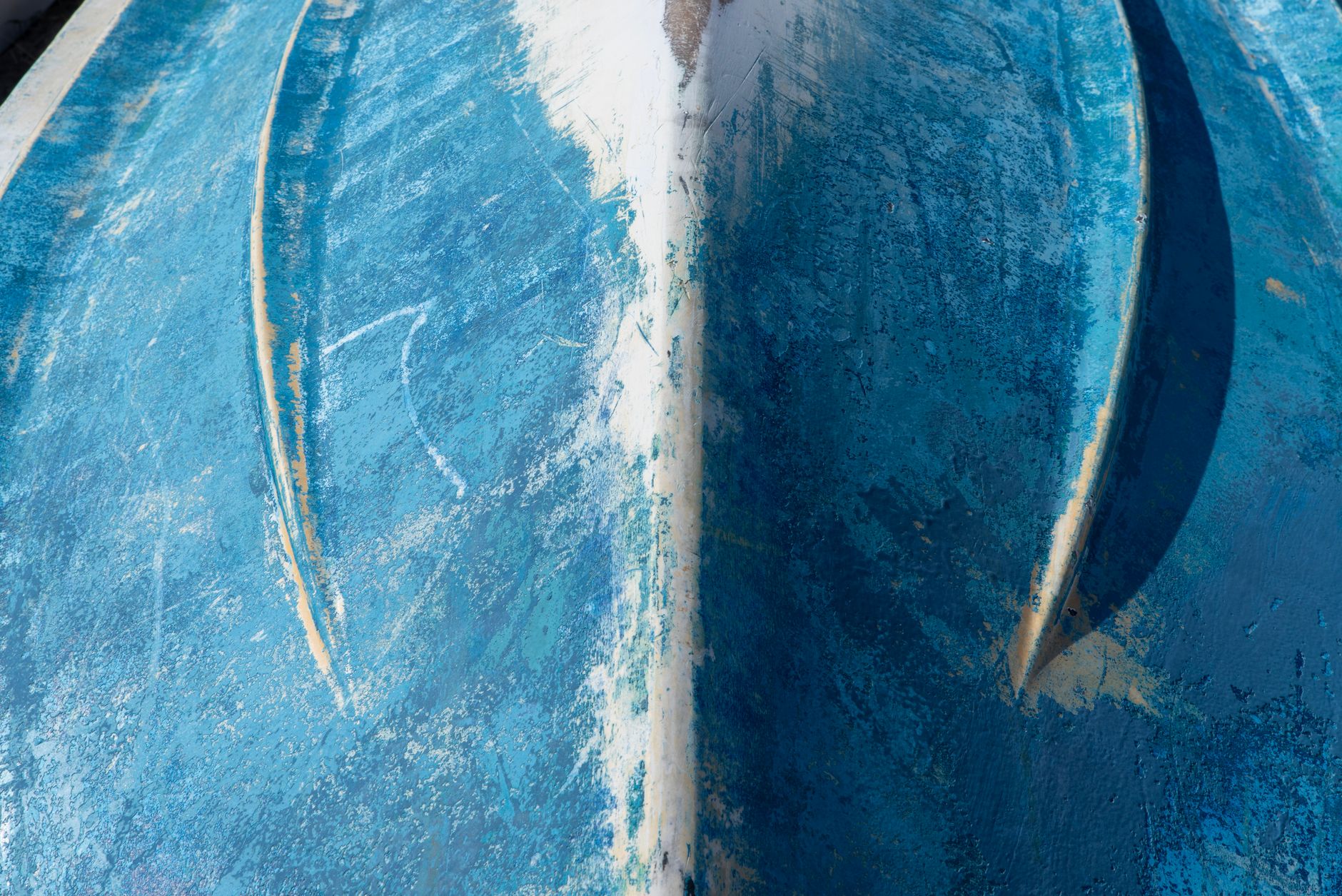
On a rowing shell, the rubbing strip exists purely to protect. Shells are built from carbon fiber or fiberglass composites that cannot afford abrasion – a dock collision without that strip risks a crack that sidelines the boat for weeks. The strip is bonded at the waterline or along the keel, made from a denser, more abrasion-resistant material than the hull itself, and finished in a way that makes it visually distinct. Crew members know exactly what that line means. It signals where the boat meets the world.
Translated to a leather or canvas tote, the rubbing strip becomes the base band – a wrapped or bonded strip of contrasting leather, rubberized fabric, or coated canvas running along the bottom perimeter. It protects the bag’s most vulnerable surface from floor contact, bag-to-bag friction inside a locker or overhead bin, and the general punishment of daily life. The protection rationale is genuine, not decorative. But the visual result is striking: a clean horizontal accent line that grounds the bag’s silhouette in a way a plain flat base simply doesn’t.
The material contrast is doing double work here. A tan leather body with a dark navy or forest green rubbing strip evokes the color blocking of a rowing club uniform without being literal about it. A waxed canvas tote with a black rubberized strip reads more like a sport utility object than a fashion accessory, which is precisely the register many designers are chasing right now. The strip says the bag has been thought about from the bottom up, not just styled from the outside in.
Why This Detail Is Outpacing Stiffened Bases
Rigid tote bases fell out of favor gradually, and for practical reasons. They add weight. They make the bag harder to collapse for storage. They create pressure points when the bag is overfilled. And most critically, they have become associated with a category of overly formal work tote that younger professionals are actively moving away from. The stiffened base was always a structural solution to a silhouette problem – it existed to keep the bag looking a certain way, not to make it perform better.
The rubbing strip construction inverts that priority. It starts with protection and arrives at form. The bag can be softer overall, more pliable, easier to live with – and the strip at the base provides just enough visual definition to prevent it from looking shapeless. This is a meaningful functional distinction, and it maps directly onto how people actually want their bags to behave in a working day that involves trains, desks, coffee shop floors, and gym lockers. Rigidity is no longer aspirational. Resilience is.
The Rowing Club Aesthetic as a Broader Reference Point
Rowing club style has a particular visual vocabulary that fashion has been circling for several years: collegiate stripes, performance fabrics used in tailored contexts, oar-blade color blocking, and hardware that looks more like rigging than jewelry. The appeal is partly nostalgic – there is a whole tradition of Ivy League and Oxbridge boathouse culture that carries enormous aspirational weight – and partly forward-looking, because rowing is a precision sport and precision reads as intelligence in design.
The rubbing strip fits neatly into this vocabulary because it’s a real component with a real function, borrowed directly from the sport. It isn’t a print or a pattern applied for aesthetic effect – it’s a structural detail that happens to look good. That authenticity is harder to fake than a stripe, and it resonates with a consumer who has grown suspicious of surface-level references. When a bag carries the rubbing strip logic, it carries an implied understanding of how things are actually built.
This is also where the detail diverges from earlier equestrian and sport-club crossovers in accessory design. Polo club surcingle girth webbing repurposed as tote straps was similarly rooted in functional hardware, but it operated above the bag’s midline, in the zone of visible straps and handles. The rubbing strip works at the base – the part of the bag that most design thinking ignores entirely. Solving for the bottom of a bag is an unglamorous problem, and that unglamorousness is precisely what makes the solution feel credible.
Color is the variable that determines how loud or quiet this detail reads. Natural leather on leather in the same family – a cognac body with a slightly deeper chocolate strip – registers as a tonal finish detail. Navy canvas with a bright white rubbing strip is a full-on crew aesthetic declaration. Designers playing in this space are calibrating that contrast carefully, because the rubbing strip can tip from sophisticated to costume depending on how far the color pairing pushes. The ones getting it right are keeping at least one side of the contrast within the bag’s existing palette rather than introducing a third color.
What’s worth watching is how this detail performs outside the premium segment. Right now, rubbing strip construction is appearing most visibly on bags in the mid-to-high price range where handcraft and material quality can carry the detail without it looking like an afterthought. At lower price points, the strip risks becoming a printed or sewn-on approximation – a line that suggests the detail without actually delivering the protective function. Whether the construction logic survives that translation, or whether it gets flattened into another decorative border, will determine whether this is a genuine design movement or a finishing trend that burns through one season and disappears.