


The skincare aisle at Target used to be where men reluctantly grabbed a basic face wash. Now, major shopping centers from Los Angeles to Miami are opening dedicated men’s skincare clinics, complete with medical-grade treatments and consultation rooms that look more like upscale spas than mall storefronts.
The shift represents a dramatic change in how men approach skincare. What once required a dermatologist appointment or a trip to an expensive medical spa is now available between stops at the Apple Store and Nordstrom. These clinics are targeting men who want professional skincare treatments without the intimidation factor of traditional beauty salons or the clinical atmosphere of medical offices.
“We’re seeing men who’ve never had a facial before booking monthly appointments,” says Dr. Marcus Rivera, a dermatologist who consulted on the opening of several mall-based men’s skincare centers. “The convenience factor is huge – they can get a treatment while their partner shops, or stop by during lunch break.”

From Barbershops to High-Tech Treatment Centers
The modern men’s skincare clinic goes far beyond basic facials. These facilities offer services like LED light therapy, chemical peels, microneedling, and professional extractions. Many feature private consultation rooms where licensed aestheticians analyze skin using digital imaging technology to create customized treatment plans.
Brands like Menhood and The Men’s Room have opened locations in premium shopping centers across major metropolitan areas. Their clinics typically feature dark wood, leather seating, and neutral color schemes designed to feel masculine and approachable. Treatment menus often include services specifically marketed to men’s concerns: “executive facials” for stress-related breakouts, “razor burn relief” treatments, and anti-aging protocols targeting sun damage from outdoor activities.
The pricing reflects the premium positioning. Basic facials start around $80-120, while advanced treatments like professional chemical peels can reach $200-300. Despite the cost, these clinics report strong repeat customer rates, with many clients booking standing monthly appointments.
Social media has played a significant role in normalizing men’s skincare treatments. Influencers and celebrities regularly post about their skincare routines, making professional treatments seem less taboo. The rise of “metrosexual” culture and changing attitudes about masculine self-care have created a market that didn’t exist a decade ago.
Mall Strategy Meets Male Psychology
The decision to locate these clinics in shopping malls rather than medical complexes is strategic. Mall environments feel less clinical and more accessible to men who might be intimidated by traditional spa settings. The casual nature of shopping centers makes it easier for first-time clients to walk in for consultations without feeling like they’re making a major commitment.
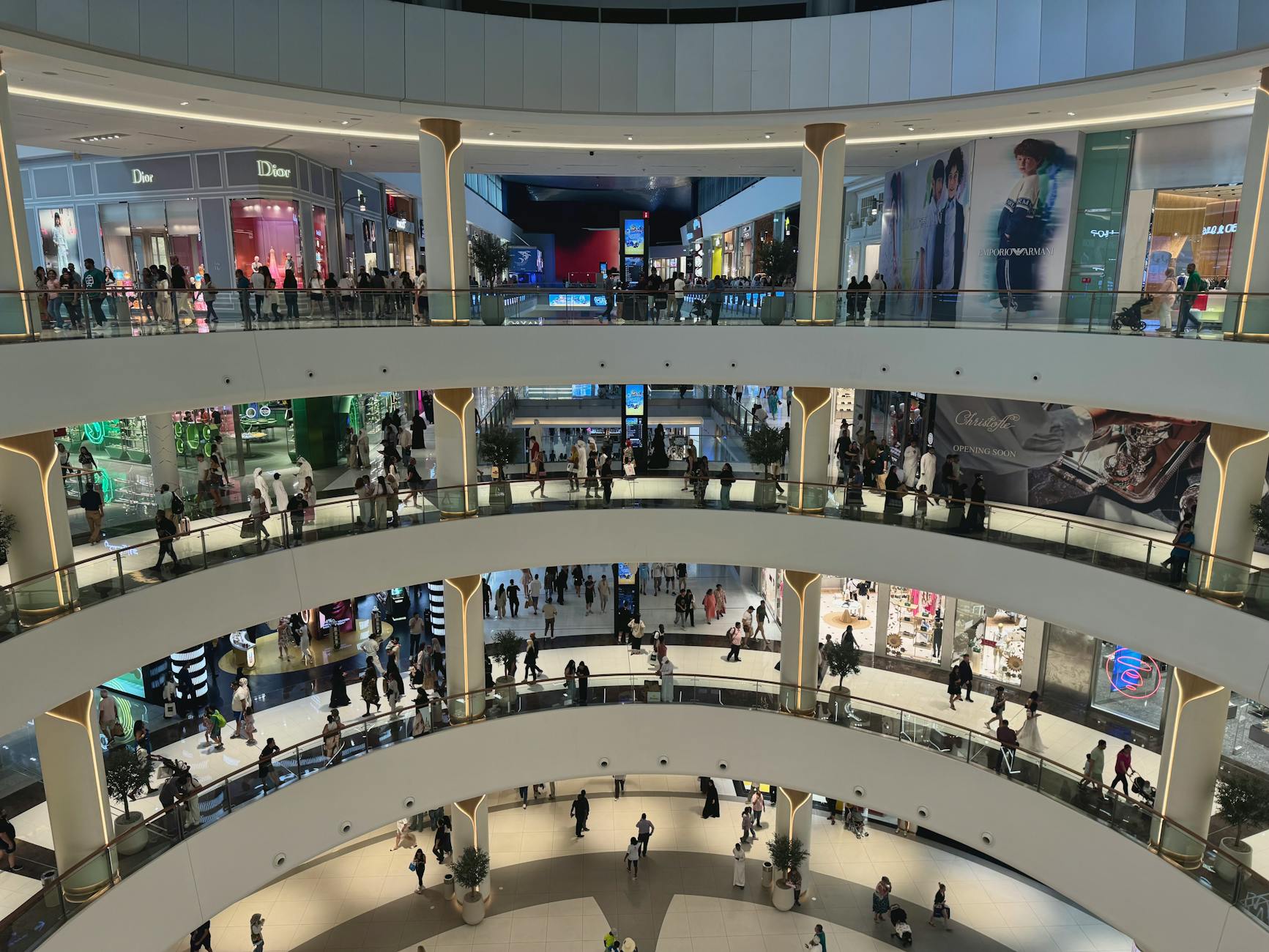
Many clinics also benefit from foot traffic generated by other mall activities. Men accompanying partners on shopping trips often book last-minute treatments, turning wait time into self-care time. The convenience of parking, multiple dining options, and the ability to combine errands makes mall locations particularly attractive to busy professionals.
Several clinic operators report that their most successful locations are in malls with strong demographics: higher income levels, professional populations, and areas with established men’s fashion retailers. The proximity to stores like Men’s Wearhouse, Jos. A. Bank, or high-end department stores creates a natural customer overlap.
The mall setting also allows for different marketing approaches. Some clinics partner with nearby menswear stores for cross-promotions, offering skincare consultations to customers buying suits for important events. Others team up with barbershops or men’s salons already operating in the same shopping center.
Technology Meets Accessibility
These clinics distinguish themselves from traditional spas through technology integration. Many use apps for booking appointments, tracking treatment progress, and sending reminders about product applications. Some offer virtual consultations for busy clients who can’t make it to the mall location.
The treatment technology itself has become more sophisticated and accessible. LED therapy devices that once cost thousands for home use are now available in 30-minute professional sessions. Advanced facial analysis using digital photography helps create before-and-after documentation that appeals to results-oriented male clients.
Several chains have developed proprietary treatment protocols specifically for men’s skin concerns. These often focus on issues like ingrown hairs from shaving, sun damage from outdoor activities, and stress-related skin problems common in professional environments. The treatments are marketed with masculine terminology – “power peels” instead of “gentle exfoliation” – and focus on efficiency and visible results.
Product retail has become a significant revenue stream for these clinics. Men who experience positive results from professional treatments often become loyal customers for take-home products. The personal recommendation from a licensed professional carries more weight than online reviews or advertising, leading to higher conversion rates for retail sales.
Recent trends show integration with other wellness services. Some clinics now offer packages that combine skincare treatments with services like massage therapy or even cold therapy treatments that dermatologists are recommending for acne management.

Market Expansion and Future Outlook
The success of mall-based men’s skincare clinics has attracted investment from larger beauty and wellness companies. Several major skincare brands are exploring franchise opportunities or partnerships with existing clinic operators. The model’s scalability and relatively low overhead costs compared to full medical spas make it attractive to investors.
Industry analysts project continued growth as younger generations of men become more comfortable with professional skincare services. Gen Z and millennial men show significantly higher acceptance of beauty and wellness treatments compared to previous generations, suggesting a sustainable customer base for expansion.
The integration of telemedicine and remote consultations may further expand the reach of these services. Some clinics now offer follow-up consultations via video calls, allowing them to serve customers who move away or travel frequently while maintaining treatment consistency.
As the market matures, we can expect to see more specialized services, integration with fitness and wellness programs, and potentially expansion into smaller markets through franchise models. The success of these mall-based clinics suggests that accessibility and convenience remain key factors in bringing professional skincare services to mainstream male consumers.
Frequently Asked Questions
What services do men’s skincare clinics in malls typically offer?
Services include LED light therapy, chemical peels, facials, microneedling, and customized treatments for issues like razor burn and anti-aging.
How much do treatments at mall men’s skincare clinics cost?
Basic facials start around $80-120, while advanced treatments like professional chemical peels range from $200-300.