


The Bullseye Aesthetic Has Left the Range
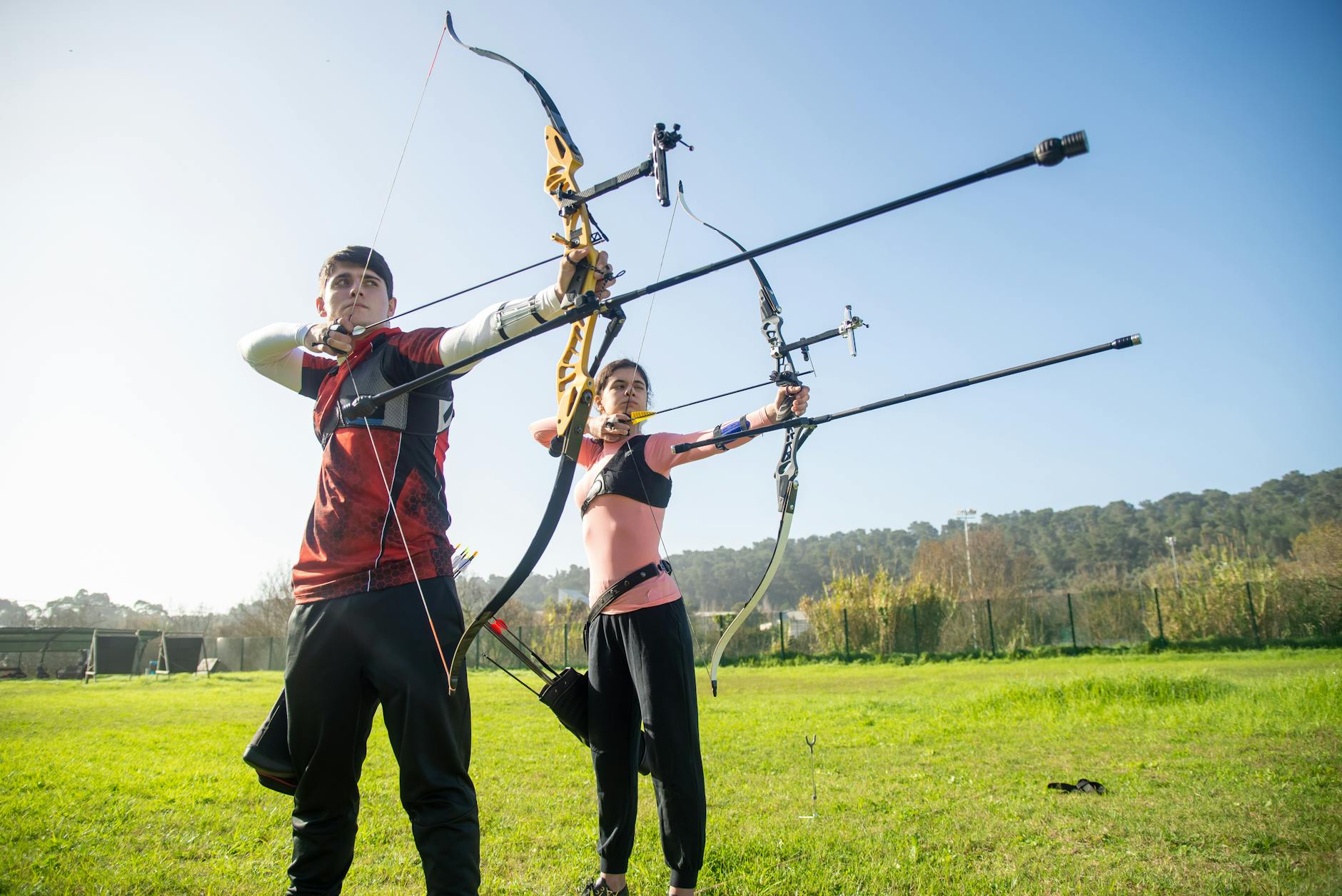
Archery club style – think structured chest guards, linen-weight tunics, leather tab finger protectors worn as accessories, and the quiet precision of a sport that prioritizes stillness over spectacle – is finding its way off the practice field and onto street corners, mood boards, and runway lookbooks. It is not arriving loudly.
Why Archery Aesthetics Work in Streetwear Right Now
The appeal is rooted in function-first dressing. Archery equipment is built around the body in motion: close-fitting arm guards that hug the forearm, quiver straps that cross the torso, vests designed for layering without restricting shoulder rotation. These are the exact silhouettes that streetwear has been circling for the past two seasons – utilitarian layering, asymmetric straps, and pieces that suggest purpose without announcing it.
There is also the color story. Traditional archery club kit leans into earthy, muted palettes: bark brown, sage, raw ecru, deep forest green. These are not trend colors in the conventional sense – they have been building slowly through the quiet luxury movement and the broader retreat from maximalist branding. Archery aesthetics slide into that conversation naturally, adding a layer of heritage sport legitimacy that elevates the palette beyond simply “neutral.”
The silhouette language borrows from something older than streetwear’s usual reference points. Archery as a sport draws from medieval guild culture, Japanese kyudo tradition, and the gentlemen’s sporting clubs of the 19th century. Each of those visual histories carries its own version of structured, intentional dress – and streetwear designers mining historical codes for authenticity have an unusually rich archive to pull from here. The chest brace, in particular, is making appearances as an over-shirt layering piece, entirely removed from its original protective function.
This is part of a wider pattern in sportswear aesthetics. Boxing aesthetics have already demonstrated how niche sport visual languages can cross into everyday dressing when the silhouettes align with what people already want to wear. Archery’s moment follows that same logic – the sport just happens to produce a quieter, more reserved version of the same crossover.
How Labels Are Translating the Aesthetic
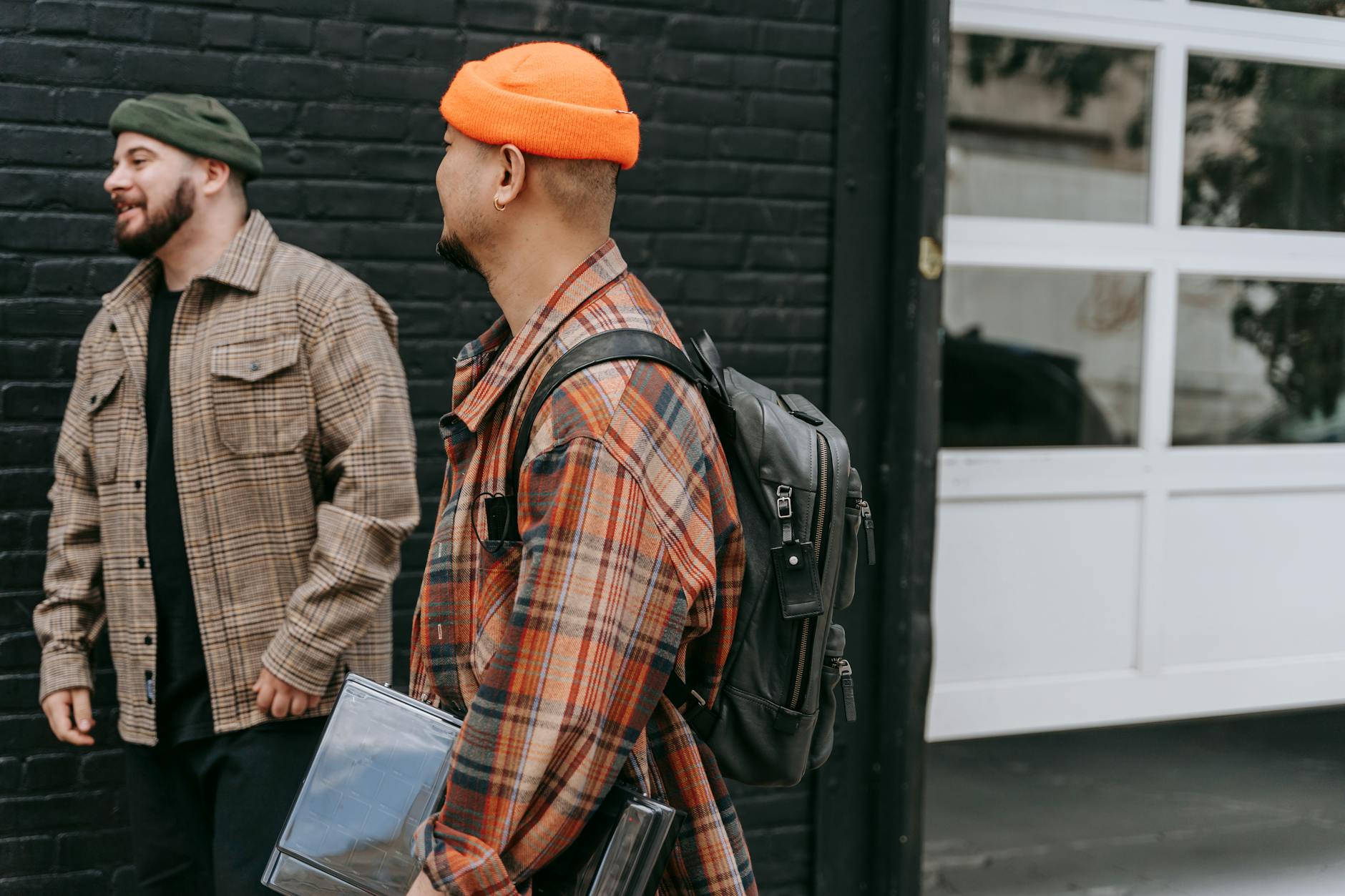
The translation is happening in pieces, not full collections. A growing number of independent labels and mid-size streetwear brands are introducing what they are internally calling “precision dressing” – a reference to the deliberate, unhurried quality of archery’s visual identity. Structured vests with unusual buckle placements. Forearm-length half-sleeves that echo arm guard proportions. Canvas belts worn wide and low, mimicking quiver positioning.
Accessories are doing the heaviest lifting. Leather tab accessories – small, sculptural finger guards that serve zero practical function outside of the range – are appearing as hardware accents on bags, as bracelet-adjacent wrist pieces, and as collar detailing. This is the same mechanism that brought carabiner clips and climbing chalk bags into fashion: take an object with a very specific technical purpose, strip it of that function, and let the form carry the aesthetic weight alone.
Footwear is following a quieter path. The archery aesthetic does not demand a statement shoe – it is more interested in grounded, flat-soled silhouettes that keep the body close to the earth. Moccasin-construction boots, wide-toe minimalist sneakers, and plain leather sandals all sit comfortably within the visual world. This is a notable departure from the chunky-sole era that dominated the previous few years, and it suggests that the aesthetic is pulling the overall look toward restraint rather than volume.
Fabrication choices are where the aesthetic gets most specific. Waxed canvas, vegetable-tanned leather, brushed linen, and dense twill – these are the materials that archery equipment actually uses, and they are also the materials that signal craft and longevity to a consumer increasingly skeptical of fast-moving trend cycles. A vest that reads as part of an archery kit also reads as something that was made to last, and that double meaning is doing meaningful work in the current market.
There is also a gender-fluid dimension worth noting. Archery as a competitive sport has no strong gender association in its visual identity – the equipment looks the same regardless of who is wearing it. This gives designers unusual freedom to move pieces across traditional menswear and womenswear lines without forcing a “crossover” narrative. A chest guard-inspired layer simply works as a layer.
The Culture Underneath the Trend
Archery has seen a steady increase in recreational participation, particularly among younger urban practitioners who are drawn to it precisely because it sits outside mainstream fitness culture. No gym membership required. No performance metrics to post. The sport rewards patience and internal focus over output, which aligns with a broader cultural appetite for slowness that is visible across food, wellness, and now, fashion. The aesthetic is arriving alongside the activity – not manufactured separately from it.
What makes archery aesthetics different from previous niche sport crossovers is that the visual language does not require any knowledge of the sport to read as sophisticated. Someone wearing a structured forearm piece and a canvas quiver-strap bag on the street does not look like they came from a range – they look like they made a very considered set of choices. Whether that effortless legibility sustains the trend beyond mood boards and into genuine wardrobe adoption depends on whether the pieces can hold their own without the concept propping them up.