

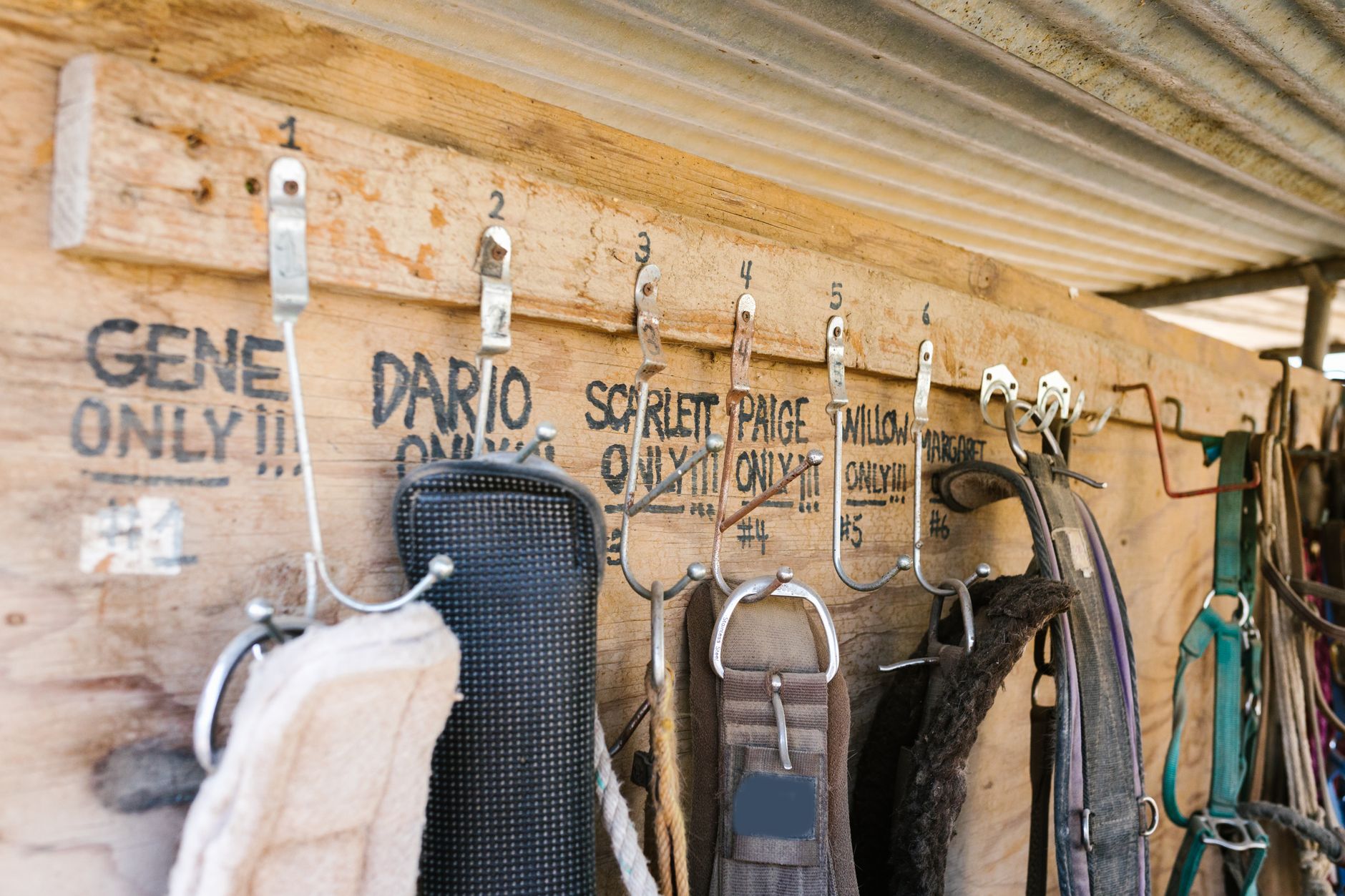
The surcingle – a wide, flat girth strap traditionally used in equestrian sport to secure saddle pads and exercise sheets on polo ponies – has long lived in the shadows of functional tack rooms and stable yards. It is built for utility: adjustable, sturdy, often made from leather or reinforced webbing, and buckled with hardware meant to withstand hard rides and fast turns. Nobody designed it with a fashion runway in mind. And yet, here it is.
Across ready-to-wear collections and the quieter world of independent accessories design, the surcingle’s silhouette is showing up wrapped around waists, cinching oversized blazers, and anchoring the kind of relaxed tailoring that needs a strong focal point without a conventional belt. The translation from stable to street is not accidental – it follows a longer pattern of equestrian hardware finding its footing in fashion, where function and form have always had a productive tension.
Why the Surcingle Shape Works as a Belt
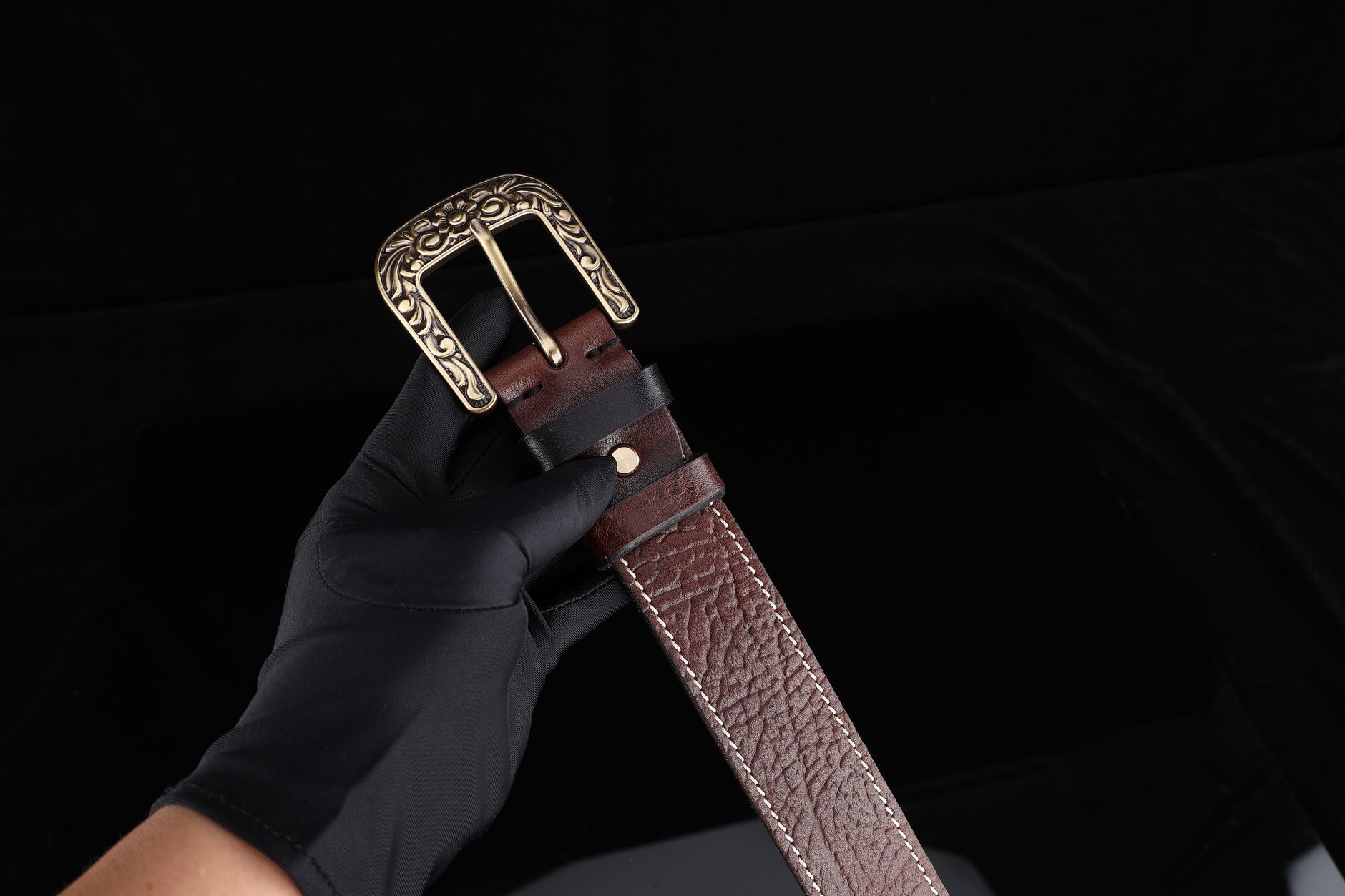
The surcingle is wider than a standard dress belt, typically ranging from two to three inches across, and that width is exactly what gives it authority at the waist. Where a thin belt whispers, a surcingle-inspired design commands. The flat surface offers space for detail – visible stitching, embossed leather panels, or contrast-color webbing – without becoming decorative in a fussy way. It reads as purposeful, even severe, which aligns with the direction a lot of contemporary fashion is moving: away from ornamentation and toward structure.
The buckle hardware is equally important to the aesthetic. Traditional surcingles use a center-bar or roller buckle, sometimes doubled, set in brass or nickel. Translated into belt design, that hardware becomes the visual centerpiece rather than an afterthought. The weight and placement of the buckle draws the eye directly to the waist, creating definition in a way that a sleek, minimal clasp cannot. It is the difference between a punctuation mark and a period – one carries weight, the other simply closes.
The Equestrian-to-Fashion Pipeline in Action
Polo club aesthetics have been feeding fashion for decades, but the current cycle is more granular than the broad “equestrian trend” framing that surfaces every few years. Rather than borrowing the overall visual vocabulary of riding – the boots, the helmets, the jodhpurs – designers and small accessories labels are now pulling from specific pieces of tack. The stirrup strap, for instance, has already made its case as a minimalist belt design, valued for its clean lines and adjustable hardware. The surcingle is the wider, more structural counterpart to that movement.
What makes this granular approach different is that it demands craft literacy. A designer borrowing from the surcingle has to understand how the original piece is constructed – how the layers of leather or webbing are stitched to handle tension, how the buckle is set to allow quick adjustment, how the strap width distributes pressure across the body. That knowledge, when carried into fashion production, results in belts that actually wear well. They hold their shape, they sit flat, they do not curl or soften into something limp after a season of use.
The color palette migrating out of the stable is also worth noting. Polo tack tends toward natural tan leather, dark bridle brown, black, and occasionally a heritage navy or forest green webbing. These are not loud colors. They work because they do not compete with the clothing beneath them – they anchor it. In a fashion landscape that has been circling back to neutral dressing and tonal layering, a surcingle belt in saddle tan or blackened brass sits exactly where the moment needs it.
There is also the question of proportions. Surcingle-inspired belts are not just wider – they are often longer in the tail, with extra strap left hanging after the buckle. In traditional tack that tail is functional, allowing for quick loosening. In fashion, it becomes a design element: a strap that falls alongside a trouser leg or drapes across the front of a coat adds movement and a hint of utility dressing that reads as intentional rather than sloppy.
How Designers Are Interpreting the Detail
The most interesting interpretations are not direct replications of stable hardware. They borrow the logic of the surcingle – the width, the adjustability, the prominent buckle – and then shift the material or the finish. Some designers are working in vegetable-tanned leather with raw, unpolished edges that show the natural grain. Others are using woven cotton webbing in single colors, keeping the piece closer to its utilitarian origin while styling it against silk or technical fabric. The contrast between rough and refined is where the design tension lives.
A smaller group is experimenting with metal hardware that goes beyond the standard brass roller buckle – double-ring configurations, oversized D-rings set in oxidized silver, or a single flat bar buckle in matte black that gives the belt a more industrial lean. These variations pull the piece away from straight equestrian reference and into a broader conversation about statement accessories that earn their presence through hardware rather than embellishment.
Styling the Surcingle Belt Without Overdoing It
The surcingle belt is a strong piece, and it works best when the rest of the outfit steps back. Over a loose, unstructured coat or a boxy linen shirt tucked into wide trousers, it becomes the organizing element that pulls the look into coherence. It does not need a matching bag or coordinating shoes – in fact, those additions tend to tip the styling into costume territory, which is the risk with any equestrian reference taken too literally.
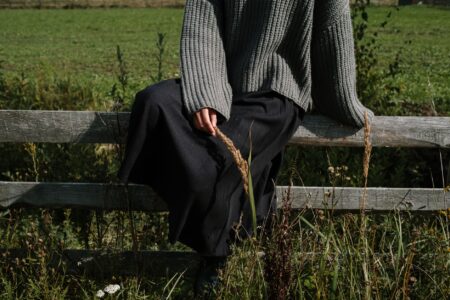
Worn over knitwear – a chunky ribbed sweater or a fine merino turtleneck – the surcingle belt creates a silhouette that is both relaxed and deliberate. The key is that the belt sits at the natural waist or just above it, not slung low across the hip, which reads as a different era entirely. Height of placement matters with a wide belt more than with any other accessory, because the strap takes up visual real estate and the eye reads the proportion immediately.
Where the Trend Lands Next
The surcingle belt is currently in that productive early stage where it is visible enough to be recognized but not so widely adopted that it has lost its edge. Independent leather goods makers and small accessories studios are producing versions that hold close to the equestrian original. Larger ready-to-wear brands are beginning to incorporate the silhouette into seasonal lookbooks, usually styled over outerwear. The gap between those two poles – bespoke tack-room craft and accessible retail – is where the design will either find its footing or flatten into trend noise.
The material question will likely define which direction it goes. Leather surcingle belts require real production investment and carry a price point that reflects it. Webbing versions can be produced more broadly but risk reading as costume or sportswear rather than considered accessory design. If the design community holds the line on hardware quality and material integrity, the surcingle belt has the structural credibility to outlast a single season cycle.
What the surcingle has that many statement accessories lack is a genuine reason for every design decision it carries. The width exists because it had to distribute pressure. The buckle is heavy because it had to hold. The tail is long because it needed to be adjusted fast. Fashion can borrow all of that logic and wear it honestly, or it can produce a thin approximation that looks the part but falls apart by spring. That distinction – between an accessory that earns its construction and one that merely references it – is exactly what separates the belts worth buying from the ones worth ignoring.