


The Stable Goes Streetside
Paddock boots were never supposed to leave the barn. Designed for riders who need ankle support, a low heel for stirrup safety, and durable leather that can take a beating from hooves and mud, they occupy a very specific corner of functional footwear. Somehow, they are now appearing on city sidewalks, coffee shop queues, and weekend farmers market runs – pulled from equestrian supply catalogs and dropped straight into casual wardrobes.
The crossover is not entirely random. Paddock boots share DNA with the Chelsea boot and the jodhpur boot, both of which have spent decades moving between stables and street style. What makes this current moment different is that the paddock boot is arriving largely unchanged – no redesigned sole, no fashion-house logo stamped on the toe. Riders are wearing their actual riding boots off the horse, and non-riders are buying boots meant for riding with zero intention of ever mounting one.
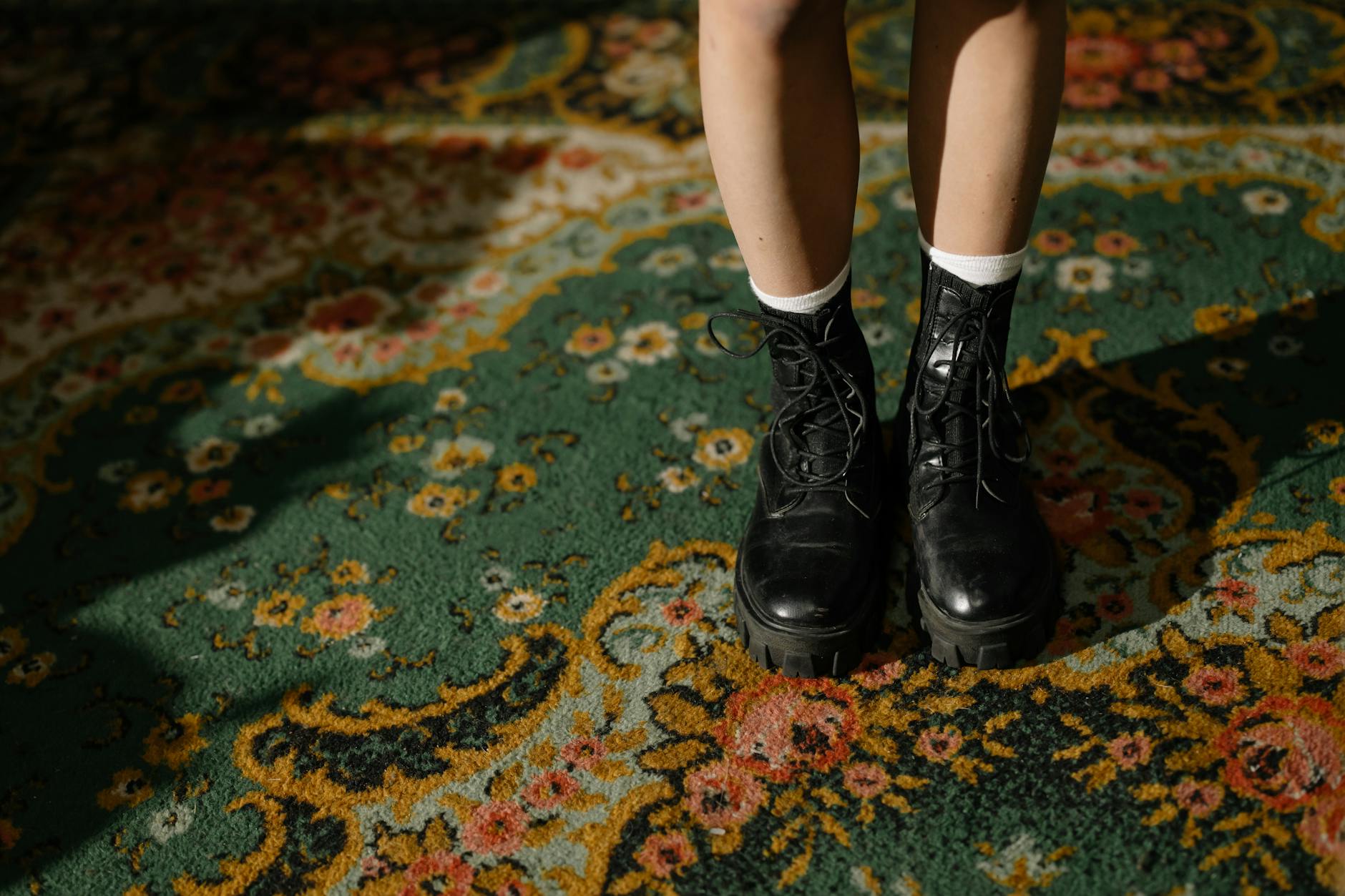
What Makes a Paddock Boot
The classic paddock boot sits just above the ankle, closes with lace-up or zip-back hardware, and features a slight stacked heel – usually around an inch – that serves a practical purpose in the saddle. Most are made from smooth or grained leather in brown, black, or tan, with a rounded toe and a relatively slim profile. The construction is built for durability first, which means the leather is typically thicker and the sole more substantial than a comparable fashion boot at the same price point.
Brands like Ariat, Ovation, and Tredstep supply the bulk of the market, selling boots that cost anywhere from $80 to $300 and are rated by riders for things like break-in time and water resistance. These are not luxury fashion brands with runway presence. Their product photography shows arenas and pastures, not city streets. The fact that their boots are now being worn as everyday footwear is being driven by the consumer, not the brand.
The silhouette explains much of the appeal. A paddock boot is essentially a utilitarian Chelsea boot with better structural integrity. The proportions work with straight-leg jeans, wide-leg trousers, midi skirts, and even oversized shorts in warmer months. The relatively muted colorways fit into neutral wardrobes without effort. And unlike many boots that look stiff until broken in, paddock boots are designed to flex with movement, which makes them genuinely comfortable from the first wear.
Where the Trend Is Taking Hold
The aesthetic running through much of this crossover is what some are calling “quiet country” – a broader lean toward rural, heritage-coded clothing that does not require any actual outdoor activity to wear. Waxed jackets, wool sweaters, canvas tote bags from feed stores, and now paddock boots are being absorbed into an urban wardrobe sensibility that values practicality-as-aesthetic. The boots fit because they look earned rather than designed, worn-in rather than styled. This is the same logic that has driven the popularity of sport-specific clothing moving into everyday wardrobes – function becomes visual shorthand for a certain kind of effortlessness.
On resale platforms, searches for paddock boots from non-equestrian buyers have been climbing steadily. Vintage pairs in particular – scuffed, creased, with that particular patina that only comes from real use – are being picked up at stable sales and thrift stores and photographed against urban backdrops. The worn leather reads as authentic in a way that many deliberately distressed fashion boots do not.

The Styling Logic Behind the Crossover
Part of what is driving the streetwear adoption is how well the paddock boot handles the awkward in-between seasons. In early spring or late autumn, when temperatures shift unpredictably, a leather boot with a solid sole offers more protection than a loafer or sneaker, but reads less heavy than a tall riding boot or combat style. The ankle height also avoids the proportional challenges that can come with mid-calf boots, making them more versatile across different pant lengths and skirt silhouettes.
Styling them is straightforward because their roots are so specific. The equestrian reference is already coded into the boot, so pairing with tailored pieces – a hacking jacket equivalent, slim-cut trousers, a cream cable knit – reinforces a coherent visual story. But the boots also absorb contrast well. Worn with wide-leg denim and an oversized sweatshirt, the structured leather toe and stacked heel provide enough visual weight to anchor a deliberately casual look without tipping into sloppy territory.
Color is a significant factor here. The earth tones that dominate paddock boot offerings – cognac, dark brown, havana, black – are currently central to the broader neutral dressing trend. A dark brown paddock boot in grained leather reads as both practical and quietly expensive, even when bought from a tack shop rather than a boutique. The materials tell the story: thick, full-grain leather ages visibly, developing creases and shine in ways that polyurethane fashion boots cannot replicate.
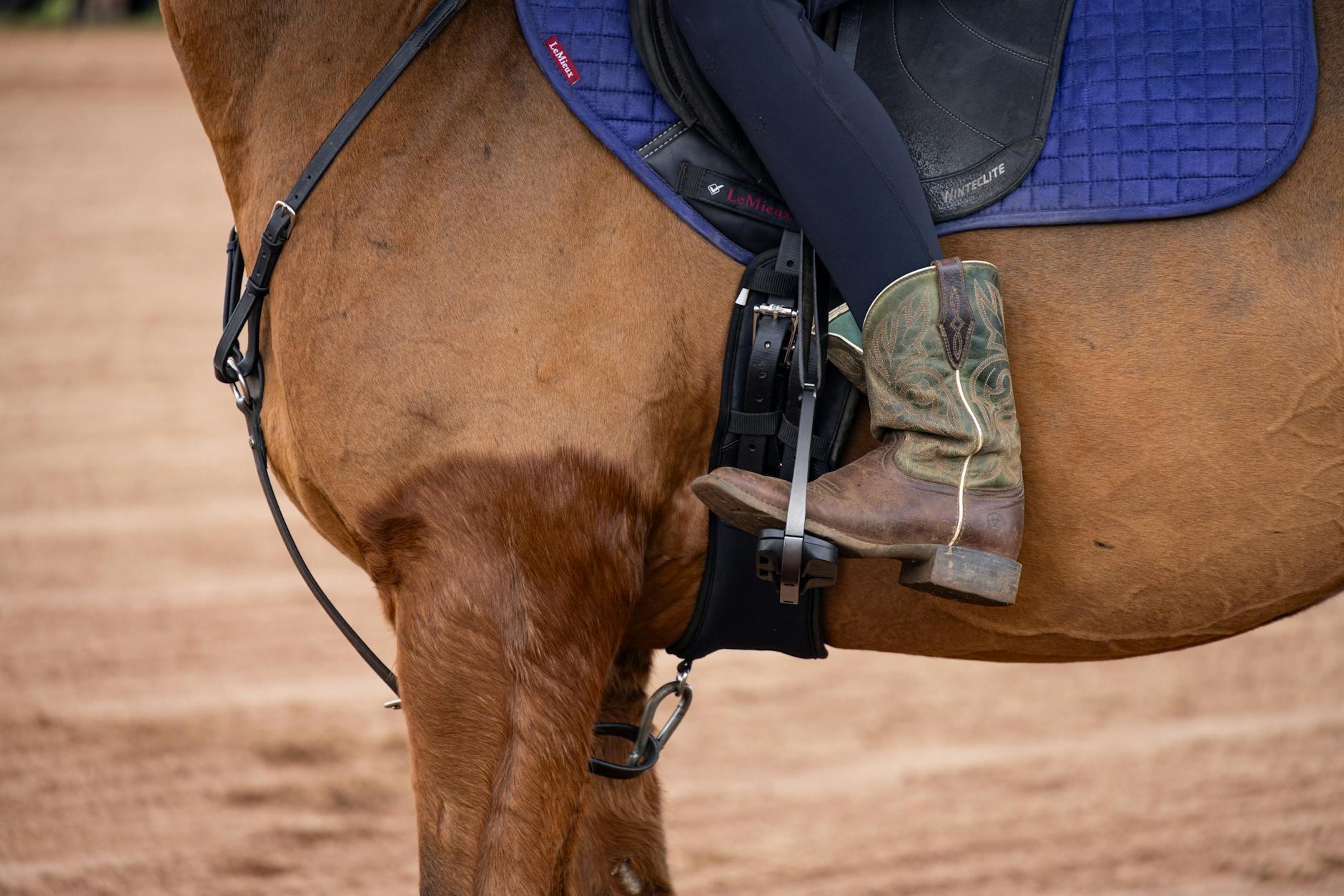
The one friction point is the lug sole versus the paddock sole divide. Traditional paddock boots have a relatively flat, smooth leather or rubber sole that lacks the traction grip most people expect from a walking shoe. Some buyers find this limits where the boot can be worn comfortably – wet streets and uneven pavement become considerations. A growing number of equestrian brands have begun offering paddock boots with more aggressive outsoles, but purists argue these lose the silhouette’s clean, trim proportions that made the boot attractive in the first place. Whether the streetwear version of the paddock boot quietly becomes its own product category, slightly removed from its stable origins, is a question that neither riders nor fashion editors have fully answered yet.