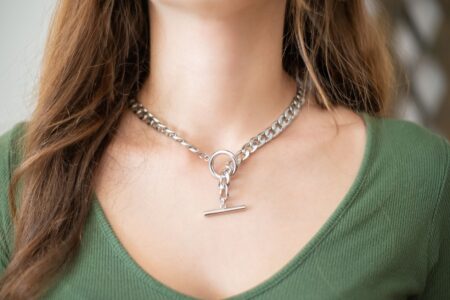


A small brass stud, barely the diameter of a shirt button, is making an unlikely journey from the stiff collars of Eton College dress code history into the hardware details of contemporary minimalist shirting. The pop-in collar stud – a functional fastening designed to anchor detachable collars without visible stitching or buttonholes – is turning up in premium shirt collections where clean lines and quiet construction are the whole point.

What the Stud Actually Is
The Eton collar stud predates modern shirt construction by well over a century. Its original purpose was purely mechanical: a small post with a rounded head on one end and a removable fastening on the other, threaded through a collar band to hold a stiff detachable collar in place. The detachable collar was itself a Victorian-era convenience, allowing a man to swap out a soiled collar without changing his entire shirt. The stud held the whole assembly together, front and back, with minimal visible hardware.
What made the Eton version distinct was its association with the school’s dress code, which mandated wing collars and formal attire as everyday wear for certain pupils. The collar stud became an inseparable part of that uniform culture – functional, unadorned, and entirely hidden beneath the fold of a collar. The hardware existed to disappear. That logic is precisely what contemporary designers are drawing on now.
Modern minimalist shirting is obsessed with the problem of visible hardware. A button, by definition, requires a buttonhole, which requires a placket, which creates a vertical seam down the shirt front that breaks an otherwise clean surface. A pop-in stud eliminates the placket entirely. The collar band closes with a fastening that lies flush against the neck, and the exterior shows nothing but fabric. The hardware does its job from underneath.
This connects to a broader conversation happening across sculptural collar architecture right now, where the structural logic of traditional formalwear is being dismantled and reassembled for contemporary silhouettes. The stud, in that context, is not a nostalgic detail. It is a construction solution that happens to have a very specific historical address.
Why Minimalist Brands Are Interested Now
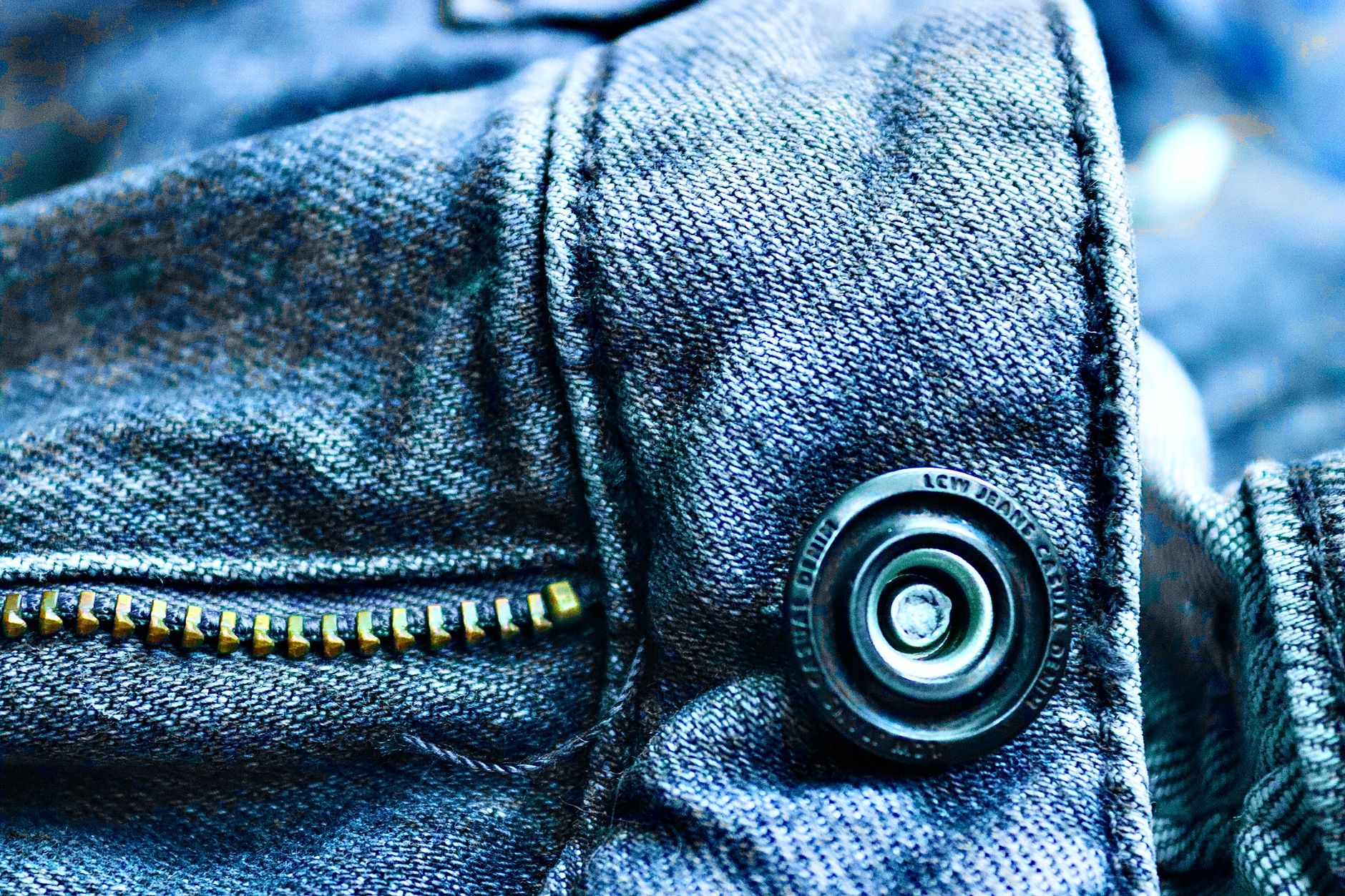
The appeal is not sentimental. A growing number of shirt designers working in the quiet luxury space are looking at traditional tailoring construction the way furniture makers look at joinery – not for its history, but for its engineering. The pop-in stud represents a collar fastening method that requires no additional visible stitching, no reinforced placket, and no button that might gape or pucker under a jacket lapel. For a shirt priced at several hundred dollars and designed to be worn under a precisely cut suit, that matters considerably.
The stud also solves a collar fit problem that buttons cannot. Because the fastening is adjustable and sits at a single point rather than along a series of buttonholes, the collar band can be tightened or slightly loosened without the shirt changing shape. The exterior silhouette stays fixed while the fit accommodates the wearer. That is not a small thing for a shirt designed to be worn with a tie or a barleycorn collar bar, where collar tension directly affects how the knot sits.
There is also a tactile quality to brass and silver studs that has begun to register as a luxury signal in the same way that horn buttons or handrolled buttonholes do. A pop-in stud is invisible when worn correctly, but the act of fastening it – the click of the mechanism, the weight of the metal – communicates that the shirt was constructed with a specific intention. It is the hardware equivalent of a hidden seam: no one sees it, but the person wearing the garment knows it is there.
Some shirtmakers are pairing the stud with bib-front dress shirts that dispense with the traditional placket altogether, presenting a completely smooth shirt front from collar to waist. Others are using it specifically on band-collar designs, where the circular collar closes at the center front with a single stud rather than a button-and-loop closure. The band collar has been cycling through menswear for the past several seasons, and the stud version reads as a more considered, construction-forward interpretation of it.
The material choices are worth noting too. While the original Eton collar stud was almost always gold-fill or sterling silver, contemporary versions are appearing in oxidized brass, matte nickel, and even black steel – finishes that read as deliberate rather than decorative. The shift in finish signals that the stud is being treated as a design element in its own right, even when it will never be visible to anyone but the person dressing.
Where This Is Heading
The collar stud’s migration into minimalist shirting raises an honest question about whether the trend has real staying power or whether it is another instance of heritage detail being borrowed for a season and then discarded. The answer probably lies in function over form: if the stud actually improves how the collar performs and how the shirt looks under tailoring, it will stay. If it is adopted purely as a signifier of old-school craft without the construction logic to back it up, it fades. The early evidence leans toward the former, because the brands most seriously pursuing it are doing so as a construction decision, not a marketing one.
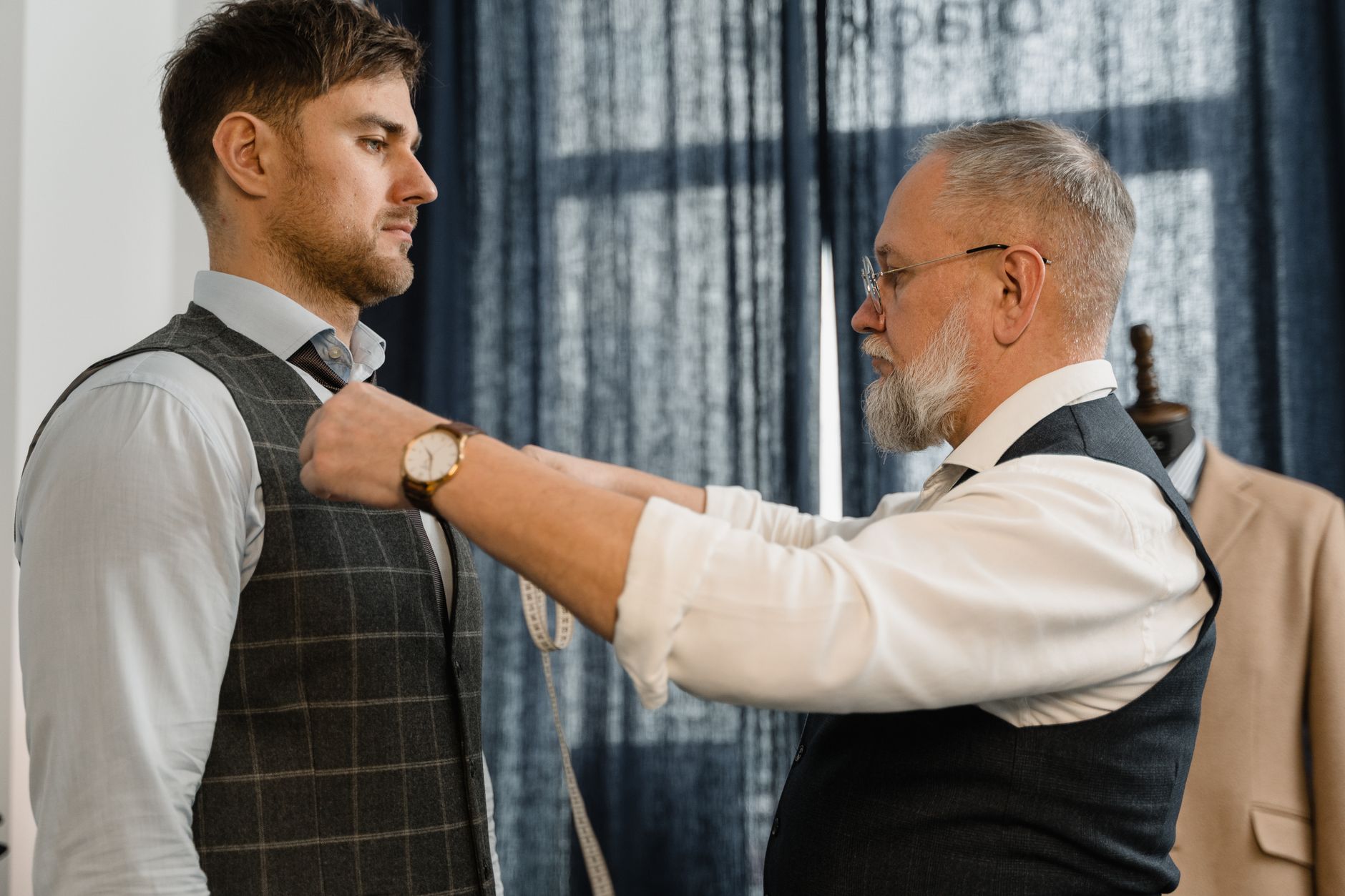
What complicates the picture is manufacturing. Pop-in studs require a collar band constructed with specific reinforced holes, and the studs themselves need to be sourced from makers still producing them in functional rather than purely decorative form. A large volume shirtmaker cannot easily pivot to this kind of closure. That friction is, perhaps, what keeps the detail in the territory of smaller labels and made-to-measure operations – which is exactly where it is surfacing now.