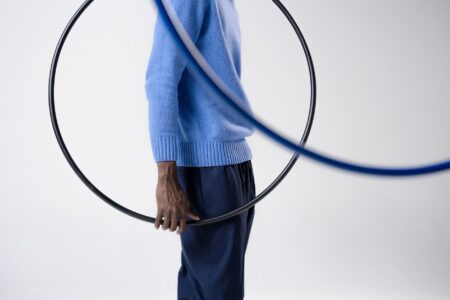


Naval dressing has always flirted with fashion, but this season the flirtation is turning serious. Sailor-inspired details – brass buttons, wide lapels, anchor motifs, and structured double-breasted cuts – are moving out of costume territory and into tailored suiting, showing up on runways and in ready-to-wear collections with a confidence that signals something more than a nostalgic nod.

The Silhouette Making Waves in Tailoring
The sailor uniform’s appeal to suiting is almost architectural. The double-breasted blazer, a staple of naval dress codes, translates directly into power dressing – wide shoulders, a nipped waist, and a column of buttons down the front that commands attention without relying on ornamentation. Designers are pulling from this template and building collections around it, pairing structured jackets with wide-leg trousers in matching navy, cream, and dark-wash indigo.
What separates this wave from past nautical trends is restraint. Previous iterations leaned into the literal – striped Breton tops, boat shoes, red-white-and-blue color blocking that read more yacht club than fashion week. The current approach strips the reference down to its structural bones. A single row of gold hardware on an otherwise plain blazer. A notched collar cut wider than usual, echoing an officer’s coat without spelling it out.
Color plays a significant role in keeping the look grounded in suiting rather than costume. Navy, off-white, and deep charcoal dominate, with the occasional pop of rope-thick cream or sun-bleached khaki. These palettes sit comfortably alongside the kind of elevated basics that quiet luxury spent several seasons championing, which makes the sailor influence feel like an organic evolution rather than a hard pivot.
Fabric choices reinforce the effect. Wool crepe, structured gabardine, and heavyweight cotton twill give the sailor-derived silhouettes the kind of substance that positions them firmly in professional dressing. These are not beachwear fabrics wearing a blazer – they are suiting fabrics with nautical bones, and the distinction matters.
How the Details Actually Work in a Wardrobe
Understanding which sailor details translate into wearable suiting – and which tip into parody – is the central challenge for anyone trying to adopt this trend. The clearest rule: keep the reference singular. One strong nautical element per outfit is powerful. Two or more starts to look like a costume rental.
Brass buttons are the most accessible entry point. A double-breasted blazer with gold or brass hardware already exists in most tailoring collections, and many shoppers own one without ever thinking of it as nautical. Worn with wide-leg trousers in the same tonal range, that same blazer reads as sharp, intentional suiting. The sailor reference only becomes visible on closer inspection – which is exactly the right proportion.
Lapel width is the second major design signal. Sailor uniforms traditionally feature wide, flat lapels – sometimes extending into a full collar that folds back over the shoulder. In suiting, this translates into notched or peaked lapels cut broader than the current minimalist standard. A blazer with generous lapels styled over a simple ribbed top and straight-cut trousers hits the nautical note without any additional decoration. The silhouette does the work.
Trouser cuts pairing well with sailor-influenced blazers tend toward the wide leg or sailor pant – a high-waisted, wide-cut trouser that was originally standard military issue and has now become one of the cleaner silhouettes in contemporary tailoring. The high rise creates a long, uninterrupted line from waist to floor, which balances the volume of a double-breasted jacket and keeps the overall proportion elegant rather than overwhelming.
Where the trend gets genuinely interesting is in how it handles gender. Sailor uniforms have historically been some of the least gendered garments in uniform dressing – the structured coat, the fitted trouser, the practical hardware were designed for function, not femininity or masculinity. Pulling those elements into women’s suiting doesn’t require softening or feminizing them. The power of the look depends on letting the structure stand as-is.
Styling the Look Without Losing the Plot
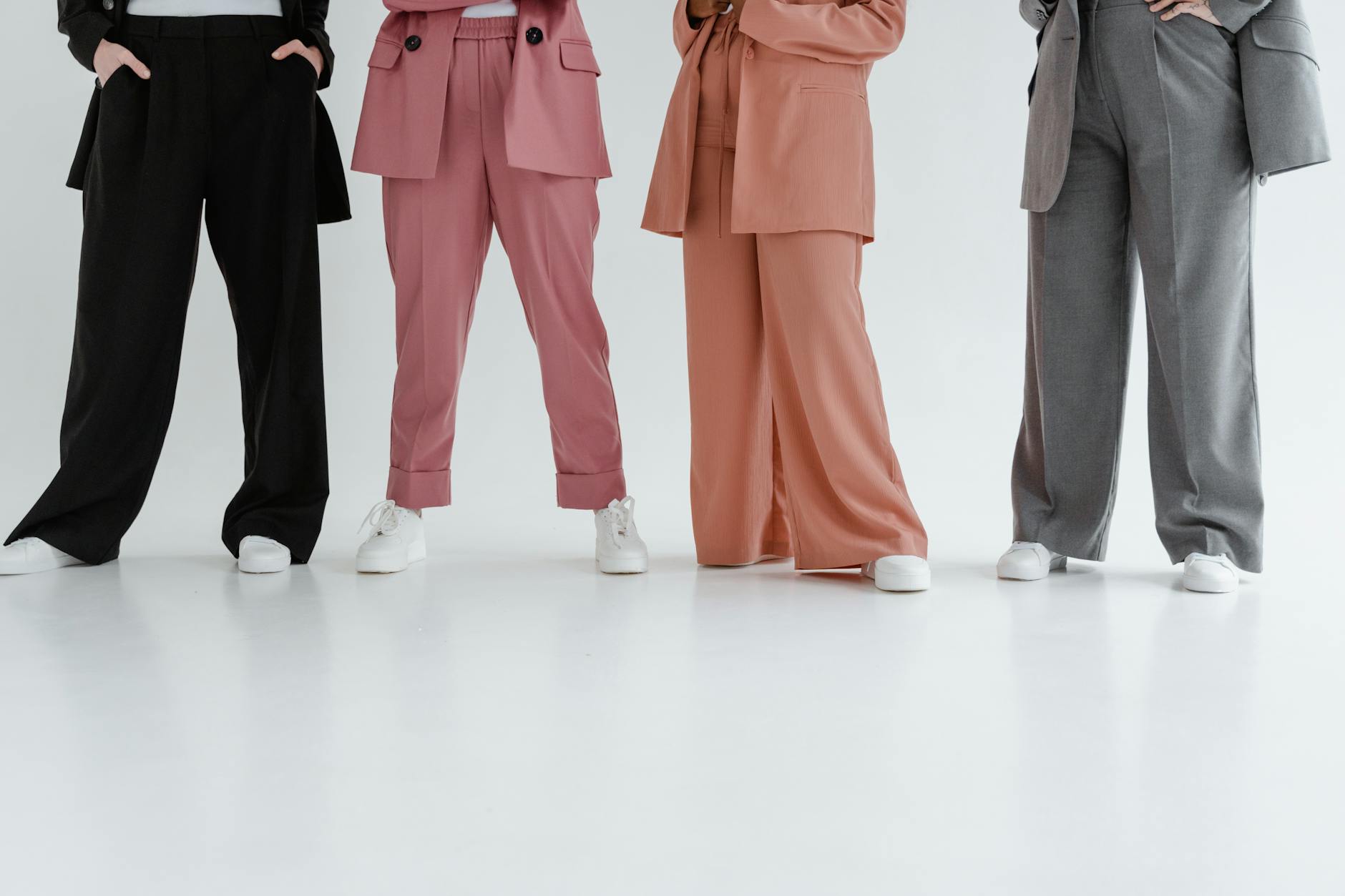
Footwear choices determine whether a sailor-influenced suit reads as fashion-forward or fancy dress. The temptation to reach for boat shoes or espadrilles is understandable, but both options underscore the nautical reference in a way that flattens the outfit. Block-heeled loafers, pointed kitten heels in tan or cream, and clean white leather sneakers all work considerably better – they acknowledge the palette without making the theme too literal. Chunky utilitarian boots, which have been finding their way into unexpected outfit combinations, also cut through the polish of a sailor suit in an interesting way.
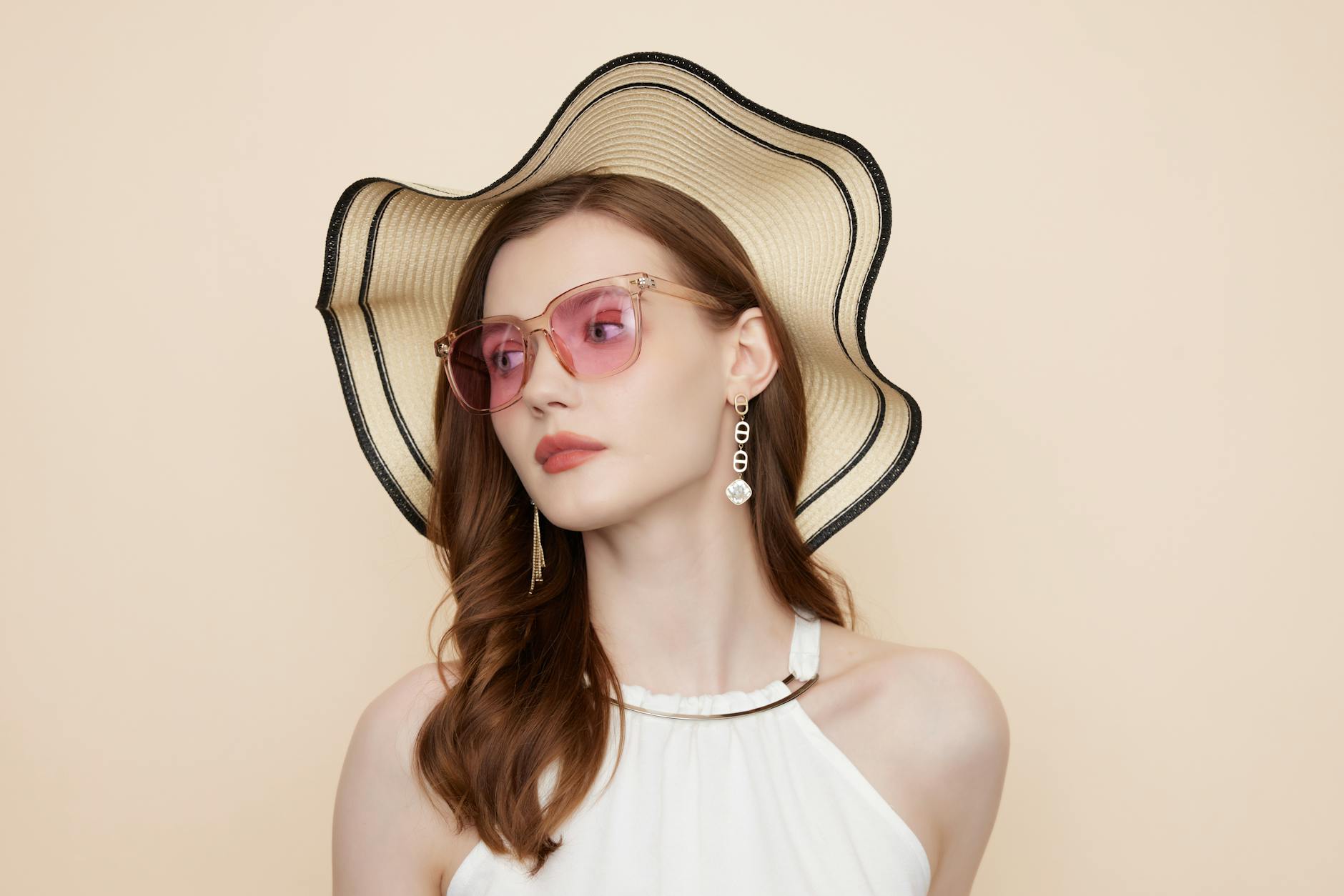
Accessories should stay minimal. A structured leather bag in tan or dark brown, a simple watch with a leather strap, and very little else. The suiting in this trend carries enough visual information on its own – adding loud jewelry or statement accessories competes with the architectural clarity that makes the look work in the first place. The restraint is the point. A single gold signet ring and clean skin will always read sharper than a full accessory stack against a double-breasted blazer with brass buttons. The suit is not asking to be decorated – it’s asking to be worn.