When Sportswear Stops Pretending
The netball dress was never designed to be fashionable. Cut short for ease of movement, built in breathable jersey, and traditionally branded with team colours, it existed entirely in the functional register of sport. That it is now appearing in street style sets, holiday packing guides, and warm-weather editorial shoots says something interesting about where casual dressing is heading this summer.
This is not a new mechanism. Sport has fed into off-duty style for decades, from the tracksuit to the cycling short. But the netball dress carries a specific visual logic that makes it particularly suited to the current mood: it is unstructured without being shapeless, athletic without the performance branding, and short enough to read as summery without trying to be a going-out dress. The appeal is quiet and almost accidental.
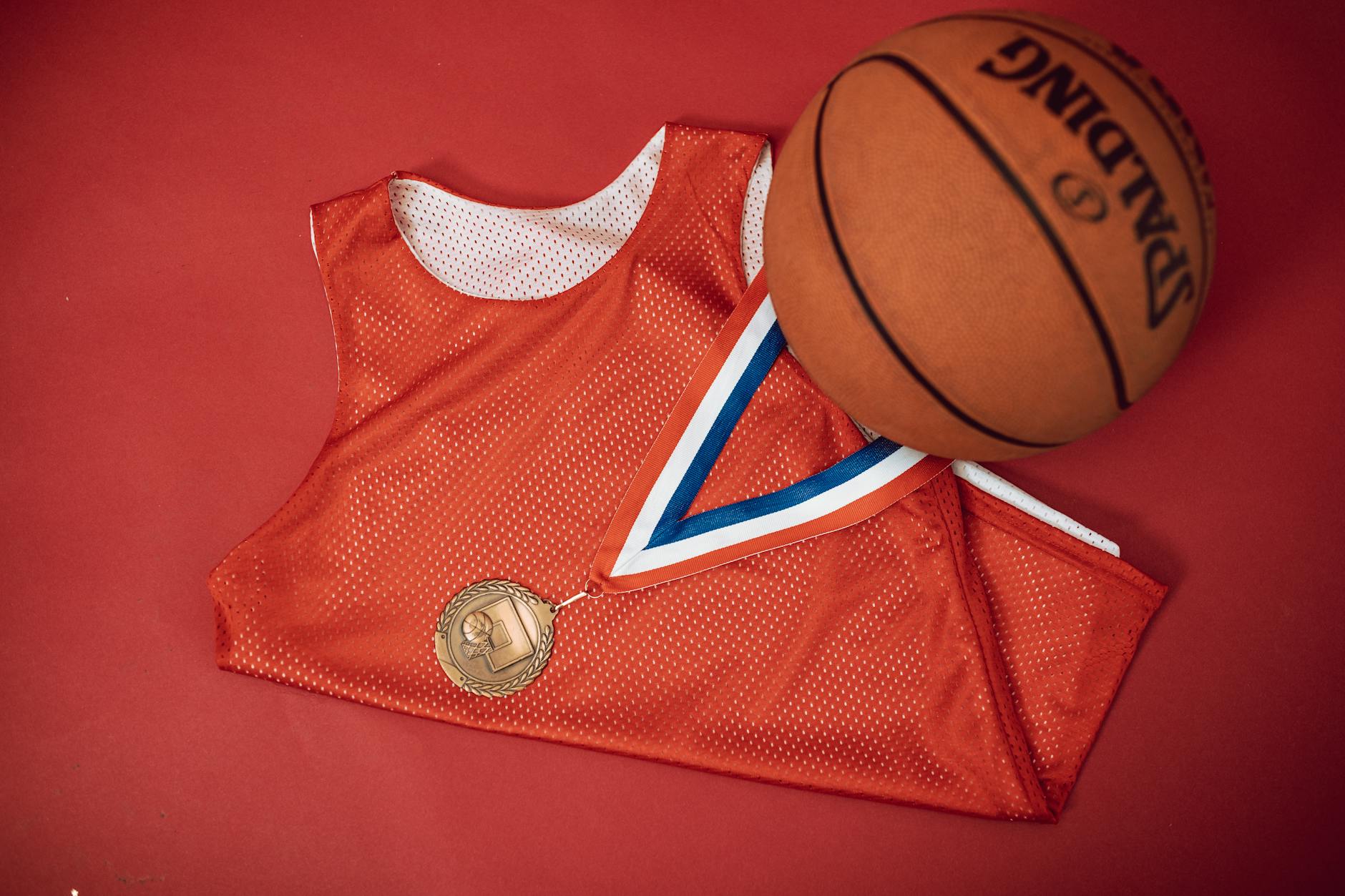
What the Dress Actually Looks Like
The silhouette is straightforward. A fitted or slightly relaxed scoop neck, short sleeves or cap sleeves, a skirt section that flares just enough to allow movement, and a hemline sitting mid-thigh. The construction tends toward lightweight jersey or mesh panels, sometimes both. On a court, those details are purely practical. Off the court, they read as considered.
Colourwise, traditional netball dresses lean into solids and bicolour blocks – deep navy paired with white, forest green with gold trim, burgundy with a contrasting panel. These are not the washed pastels of athleisure, nor the aggressive neons of performance running gear. They sit closer to the palette of prep and vintage sportswear, which helps explain why they translate so easily into summer dressing without looking like someone raided a changing room.
A growing number of small sportswear labels and independent jersey brands are releasing versions with slightly adjusted proportions – a touch more volume in the skirt, cleaner necklines, tonal colourblocking rather than team-specific contrast. These edits are subtle but deliberate, nudging the silhouette toward wardrobe versatility without stripping out the athletic character that makes it interesting in the first place.
The Styling Logic
Wearing a netball dress outside its original context works because the silhouette is genuinely useful. It handles heat well, moves without restriction, and does not require much layering thought. Throw a linen overshirt over it, add a flat sandal, and the sporting origin recedes. Keep the sneakers and lean into the athletic reference. Either direction is coherent.
What the dress resists is over-styling. It does not work well with heavy accessories or formal shoe choices – the construction simply does not support that kind of upward dressing. This is part of its appeal for people who want warm-weather dressing to require less decision-making, not more. The dress makes the outfit; the rest stays minimal.

The Broader Sporting Dress Moment
The netball dress does not arrive in isolation. Cycling kit aesthetics have been moving into casual luxury wear for a couple of seasons now, and cricket whites have made their own push into linen-heavy summer dressing. The thread connecting these isn’t nostalgia or irony – it’s the fact that sport produces some of the most technically refined, body-conscious clothing silhouettes available, and dressing culture is paying attention.
The netball dress fits this pattern because it avoids the two traps that normally prevent sport-to-street crossover. It is not so technical that it reads purely as gym wear, and it is not so generic that it looks like a basic shift with no point of view. The structured jersey, the flared skirt, the specific cut of the neckline – these details give it enough visual identity to function as a real style choice rather than just a comfortable option.
The demographic reaching for it is not trying to signal athletic activity. The dress is being chosen precisely because it does not read as exercise wear in the way that leggings or sports bras do. It sits closer to the category of dressed-down summer clothing with clear silhouette logic, and that framing matters. When someone wears it to a market, a lunch, or an afternoon by the water, the context absorbs the sports origin and the dress just looks right for the weather.
There is still a gap between the dress as it exists for sport and the version that works most cleanly off the court. The heavy branding common to club and school versions – large chest logos, player numbers, sponsor panels – disrupts the styling in ways that are hard to work around. The pieces gaining traction in wardrobes are either the older unbranded versions found secondhand or the newer independent-label releases that keep the silhouette intact while removing the club-specific details. Whether mainstream sportswear brands will move to close that gap with cleaner, wardrobe-oriented versions this season is the question that actually determines how far this particular trend runs.