

From the Stable to the Salon
Polo club mane plaiting bands – those small, practical rubber rings used to section and secure a horse’s mane into neat rosettes before a match – have spent decades in the stable yard, completely indifferent to fashion. They come in bulk bags, cost almost nothing, and exist purely to solve a functional problem. Which is exactly why designers and stylists are suddenly fascinated by them.
The crossover from equestrian utility to sculptural hair accessory is happening quietly, without a single major campaign or celebrity endorsement driving it. Instead, it’s moving through editorial shoots, independent accessory labels, and the kind of slow visual accumulation that precedes a full trend cycle.
It starts with the bands themselves.
What Makes a Plaiting Band Worth a Second Look
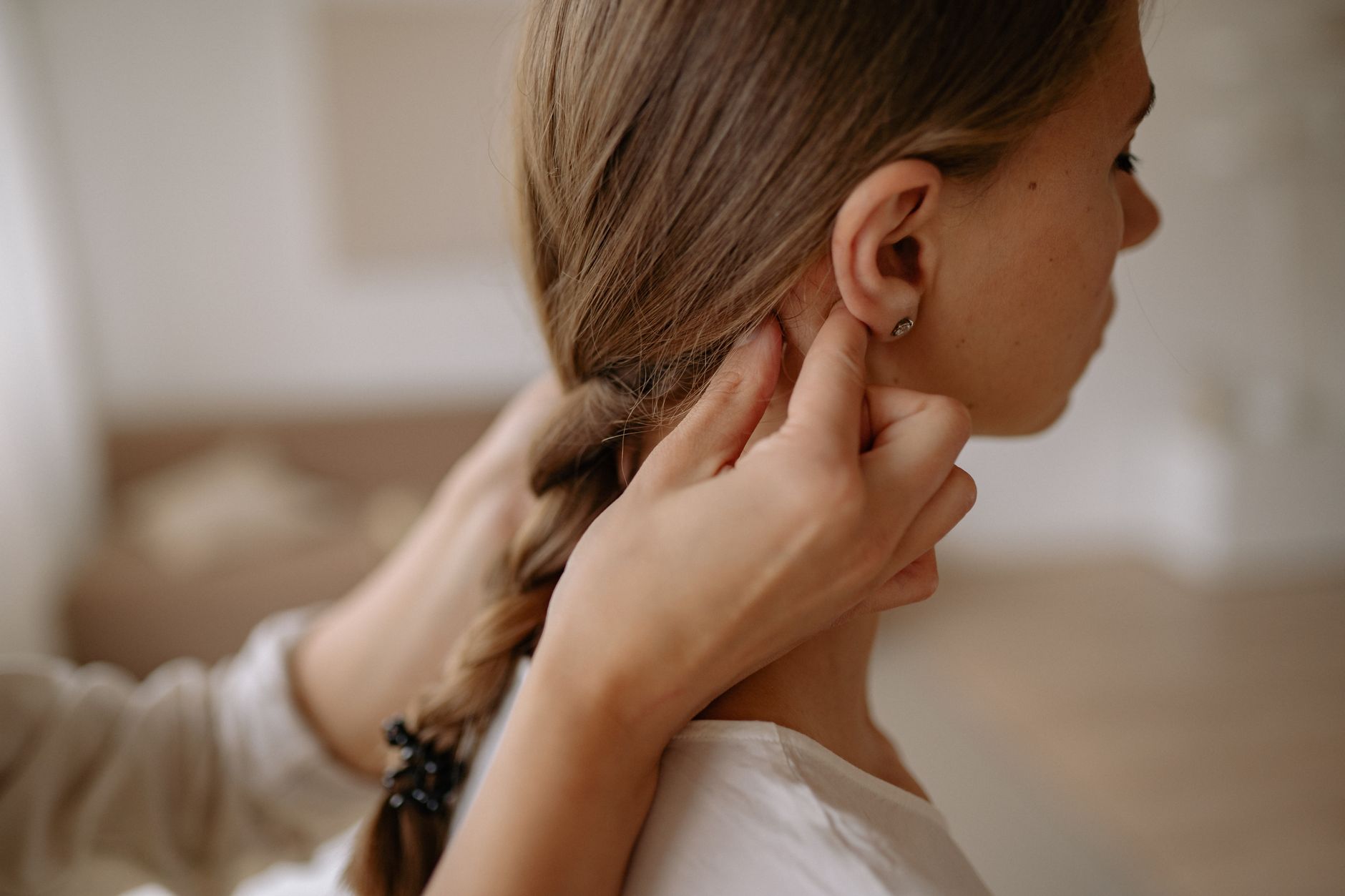
Standard mane plaiting bands are small, tightly elastic, and available in colors designed to match horse coat tones – black, brown, white, chestnut. They grip with a firmness that standard hair elastics rarely match, and their diameter is narrow enough to create defined, compressed sections rather than loose gathered ponytails. That structural quality is the foundation of the accessory crossover. When layered in multiples or combined with metal elements, they stop reading as functional and start reading as intentional.
The sculptural hair cuff angle comes from designers noticing that a plaiting band, threaded through a small gold or silver collar, behaves differently than a standard hair tie wrapped around a metal bead. The band’s tension holds the cuff at a precise point on the hair shaft without slipping, which allows for geometric stacking – three cuffs in an ascending line down a braid, for instance, or a tight cluster at the nape that reads almost architectural. The horse world solved the grip problem years ago. Hair accessory design is just catching up.
Some independent jewelers working in the accessories space have started producing what are essentially plaiting band housings – small sculptural forms in oxidized brass, hammered silver, or resin, sized to accept the narrow diameter of a plaiting band rather than a standard elastic. The result holds its shape through movement in a way that conventional hair cuffs often fail to do. It’s a small technical shift, but it changes what’s possible in terms of structure and placement.
Where the Aesthetic Is Landing
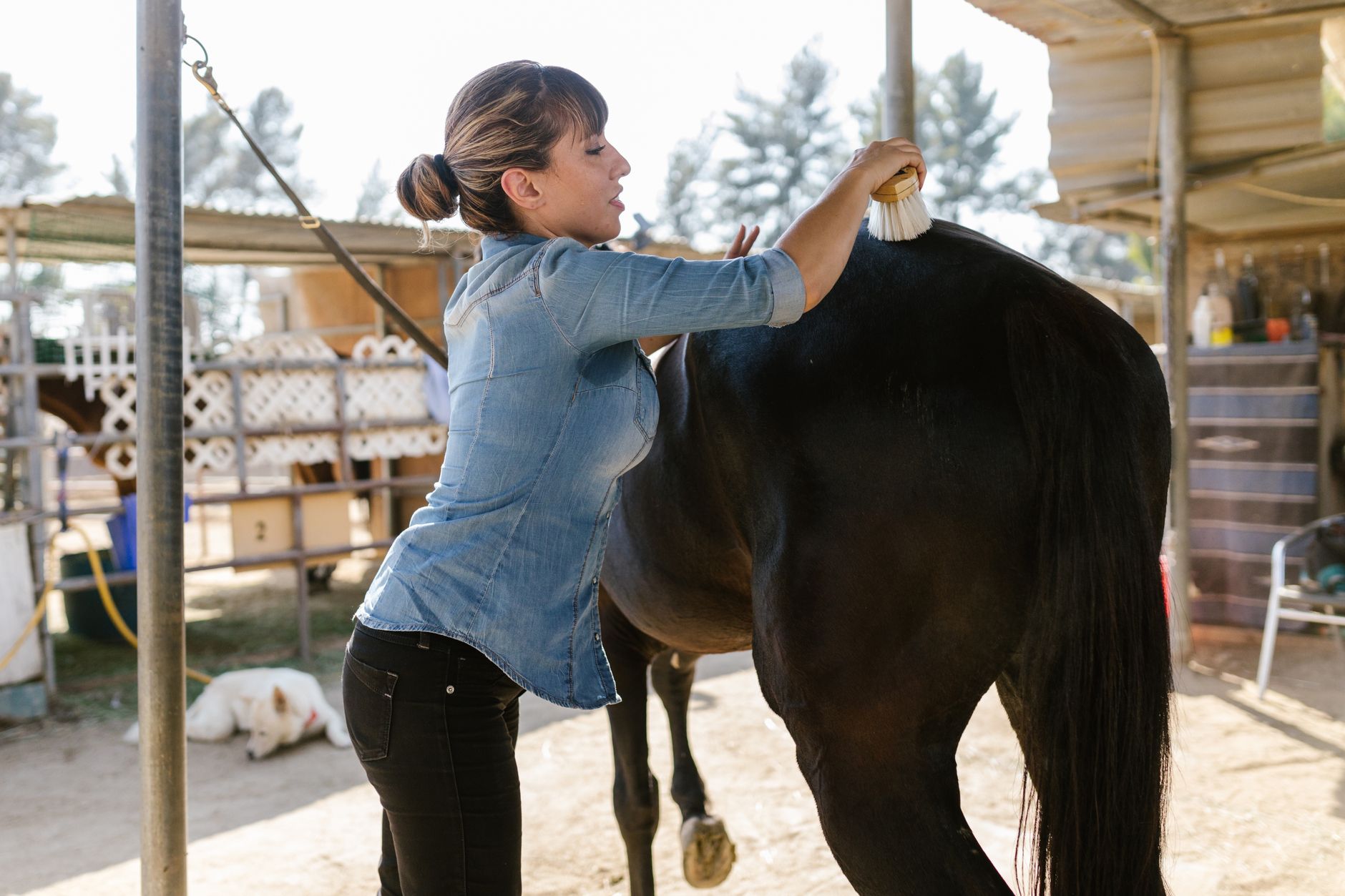
The visual language pulling this trend forward sits at the intersection of British country sport and contemporary minimalism – a pairing that has been gaining traction across accessory design broadly. The equestrian and rowing aesthetics bleeding into accessory palettes share a common thread: utility objects from elite sport, stripped of their original context and rebuilt as considered design choices. Plaiting bands fit that trajectory exactly.
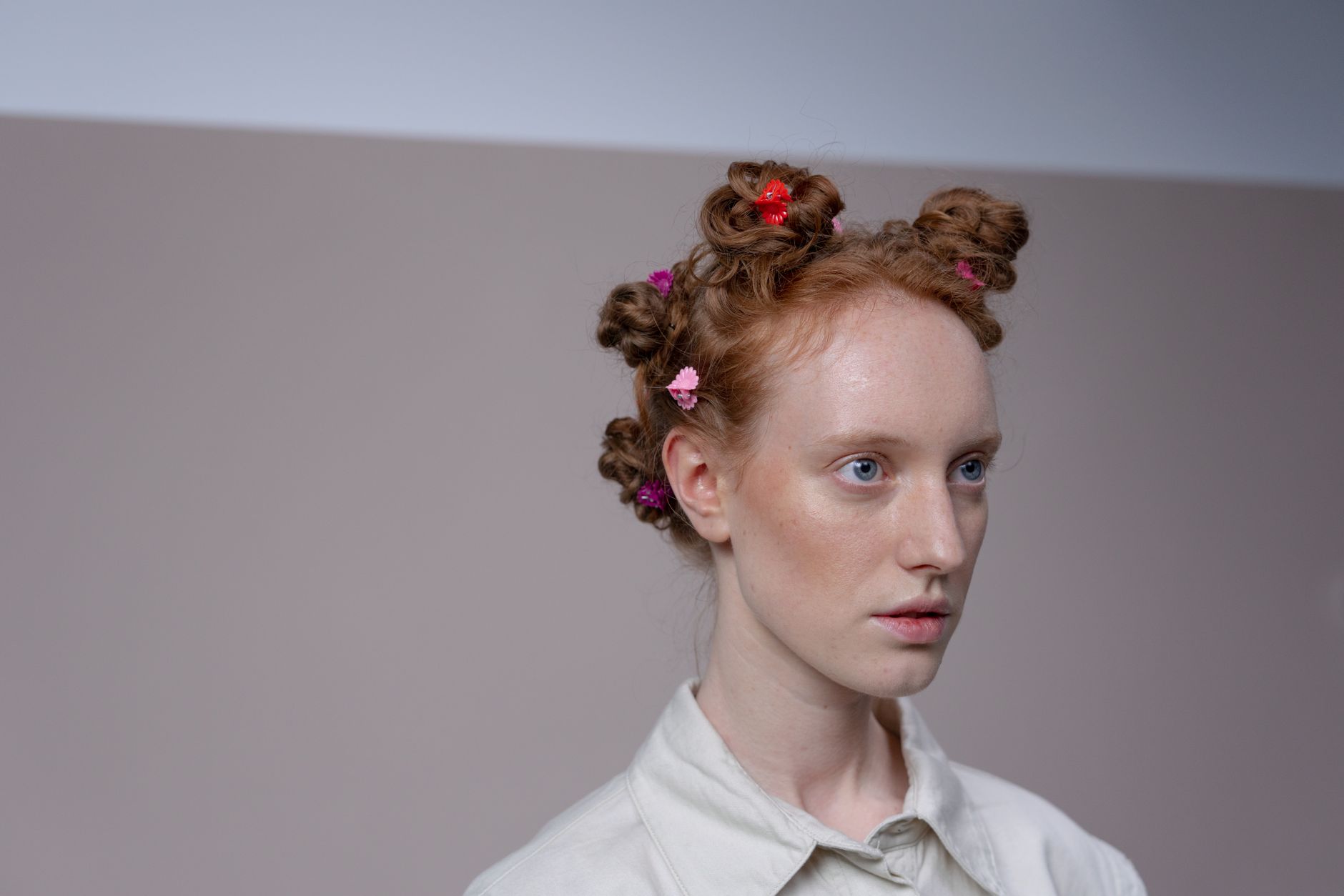
Editorials are using them in two distinct ways. The first is maximalist – twenty or thirty bands wrapped down a single braid in alternating colors, creating a ribbed, textured column of hair that references both traditional mane plaiting and the kind of cornrow detailing seen in contemporary Black hair artistry. The second approach is restrained: one or two bands, each housing a small metal cuff, placed at deliberate intervals on otherwise undone hair. The contrast between the loose texture and the tight, controlled points of the cuffs is where the tension lives.
Color is part of the conversation too. Plaiting bands in equestrian chestnut, bay brown, and dapple grey read as tonal against natural hair colors in a way that brightly colored accessories do not. They disappear slightly, which makes the metal elements they carry read as floating points rather than accessory clusters. That subtlety is precisely what makes them work in high-fashion contexts that resist anything too obviously decorative.
The Staying Power Question
What separates a trend with staying power from a single-season novelty is almost always whether the underlying functional logic holds. Plaiting bands, used as the tensioning element inside sculptural cuffs, solve a real problem – they grip without the bulk of a standard elastic, hold at exact positions, and resist the slippage that causes hair cuffs to migrate down a braid within hours of styling. Stylists working with structured updos have noted the grip advantage for years in private; the leap to designing around it, rather than just using it backstage, is the current moment. The question isn’t whether the trend will register – it already is. The question is whether mass-market production can replicate the functional specificity of an actual equestrian plaiting band, or whether the effect depends on using the real thing.