

When Sport Equipment Becomes a Design Source
Polo croquet mallets have a very specific visual logic: a long cylindrical handle, wrapped tight in grip tape or leather, tapered at the shaft, built for torque and control. That geometry – rigid, elongated, purposeful – is now showing up in a completely different context. A growing number of luxury bag designers are borrowing the mallet’s wrapped-handle construction as direct inspiration for structured bag straps, translating what was once purely functional hardware into a high-fashion detail.
The shift is subtle enough that most consumers won’t consciously identify the reference. But once you know what you’re looking at, it’s everywhere: cylindrical rolled-leather handles with visible wrap seams, rigid top-carry straps that echo the weight and grip of a mallet shaft, and cross-body straps reinforced with internal rods to hold a clean, architectural curve. These are not accidental design choices.
The Construction Behind the Reference
A traditional polo croquet mallet handle is wrapped in a specific pattern – either a spiral grip or a straight-laced leather binding – to prevent slipping under pressure. That wrapping technique creates a distinctive raised-seam texture along a cylindrical form, and it’s precisely that texture that certain ateliers are now replicating in bag hardware. The construction requires a different internal armature than standard flat-strap work: a core rod or tightly compressed leather roll, covered and stitched in a way that keeps the tube rigid without becoming uncomfortable against the body.
The technical challenge is real. Flat straps are forgiving – they flex, they distribute weight across a wider surface, and they’re far easier to produce at scale. A cylindrical strap inspired by mallet construction demands more from both the leather and the craftsperson. The hide has to be cut on a specific bias to wrap without puckering, and the stitching has to maintain even tension across a curved surface rather than a flat plane. This is why the detail is showing up at the higher end of the market rather than in mass production.
Some brands are experimenting with hybrid approaches – a flat strap that transitions into a rolled, mallet-style grip at the center carry point, where the hand actually makes contact. This gives the bag a sportif, almost utilitarian handle without committing the entire strap to the more labor-intensive cylindrical construction.

Why Equestrian Sport Keeps Feeding Luxury Fashion
This isn’t a random collision of worlds. Equestrian sport and its adjacent activities – polo, croquet, dressage, eventing – have supplied luxury fashion with visual and material vocabulary for well over a century. The riding boot, the quilted jacket, the stirrup heel, the bit loafer: all are direct translations from sport to wardrobe. Equestrian grooms’ yard coats are already slipping into luxury outerwear, and the pattern is consistent – functional sport details get elevated when they carry the right associations.
What polo croquet specifically offers is a visual identity that sits slightly apart from mainstream equestrian references, which have at times been overdone. Croquet and polo mallets carry an older, more arcane quality – they suggest a certain kind of country-house leisure that feels less logo-dependent and more genuinely rarefied. For luxury brands trying to communicate heritage without leaning on monograms, that’s a useful cultural shorthand.
The Strap as the Statement
For a long time, bag straps were largely invisible as a design focus. The silhouette, the hardware, the clasp – those were the talking points. The strap was functional connective tissue. What’s changed is that a strap executed in mallet-wrap construction immediately reads as an object that required skill to produce. It has a physical presence. You can feel the ridges of the wrap stitching, the firmness of the internal core, the weight distribution that shifts when you pick it up versus when it hangs from the shoulder. That tactile quality is part of the luxury proposition now in a way that wasn’t true a decade ago.
The colorway choices being applied to these straps also track the polo croquet reference directly. Natural vegetable-tanned leather left undyed, dark navy binding thread, British racing green piping – these are not accidental palette selections. They are shorthand for the specific world being cited, and they work because they’re internally consistent. A bag strap that looks like a polo mallet handle doesn’t need to announce itself loudly; the reference is quiet enough to function as connoisseur detail.
There’s also a gendered dimension worth examining. Polo mallets and croquet equipment have traditionally been coded as masculine or gender-neutral sport accessories. Applying that construction to a bag category historically dominated by women’s fashion creates a deliberate friction – the strap carries a kind of functional seriousness that pushes against the more decorative conventions of the category. Some designers appear to be using it specifically to position their bags as objects of utility and craft rather than ornament.
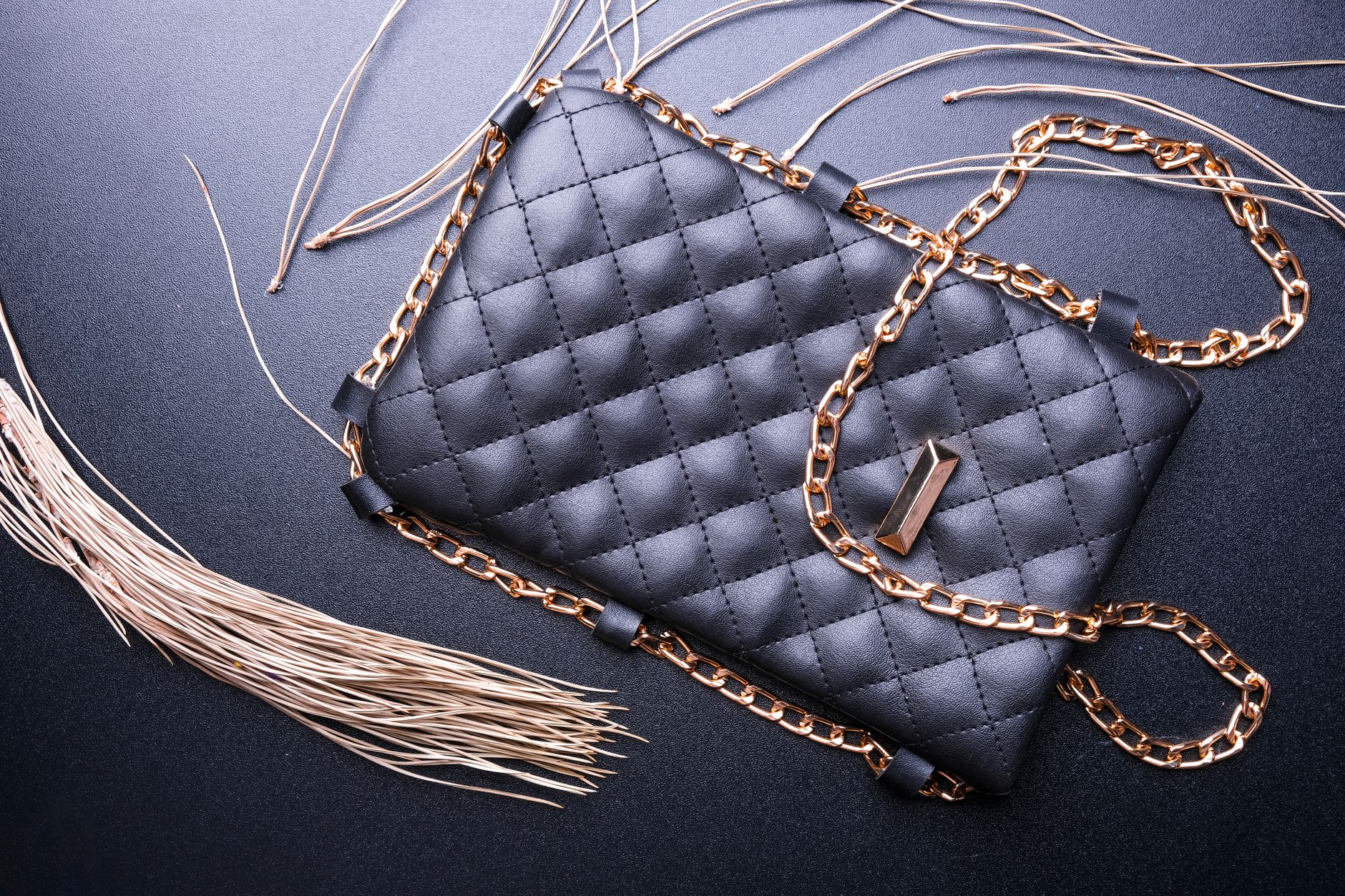
The question the trend raises is how far the reference can travel before it becomes literal costume. Right now, the mallet handle construction reads as an insider detail – absorbed into a bag’s overall form rather than displayed as a statement. If the reference becomes too explicit, too named, it risks tipping into novelty. The most durable version of this design direction is probably the one that never gets explained in a press release – where the wrapped cylindrical strap simply reads as exceptional craft, and the sport origin stays invisible to anyone who wasn’t already paying attention.