

From the Polo Field to the Wrist
The same cohesive cotton tape that keeps a polo pony’s tendons supported through a chukka has quietly become the raw material driving one of accessory fashion’s more surprising pivots – physio-chic bracelets that wear their athletic origins without apology.
Why Equestrian Tape Has the Right Credentials
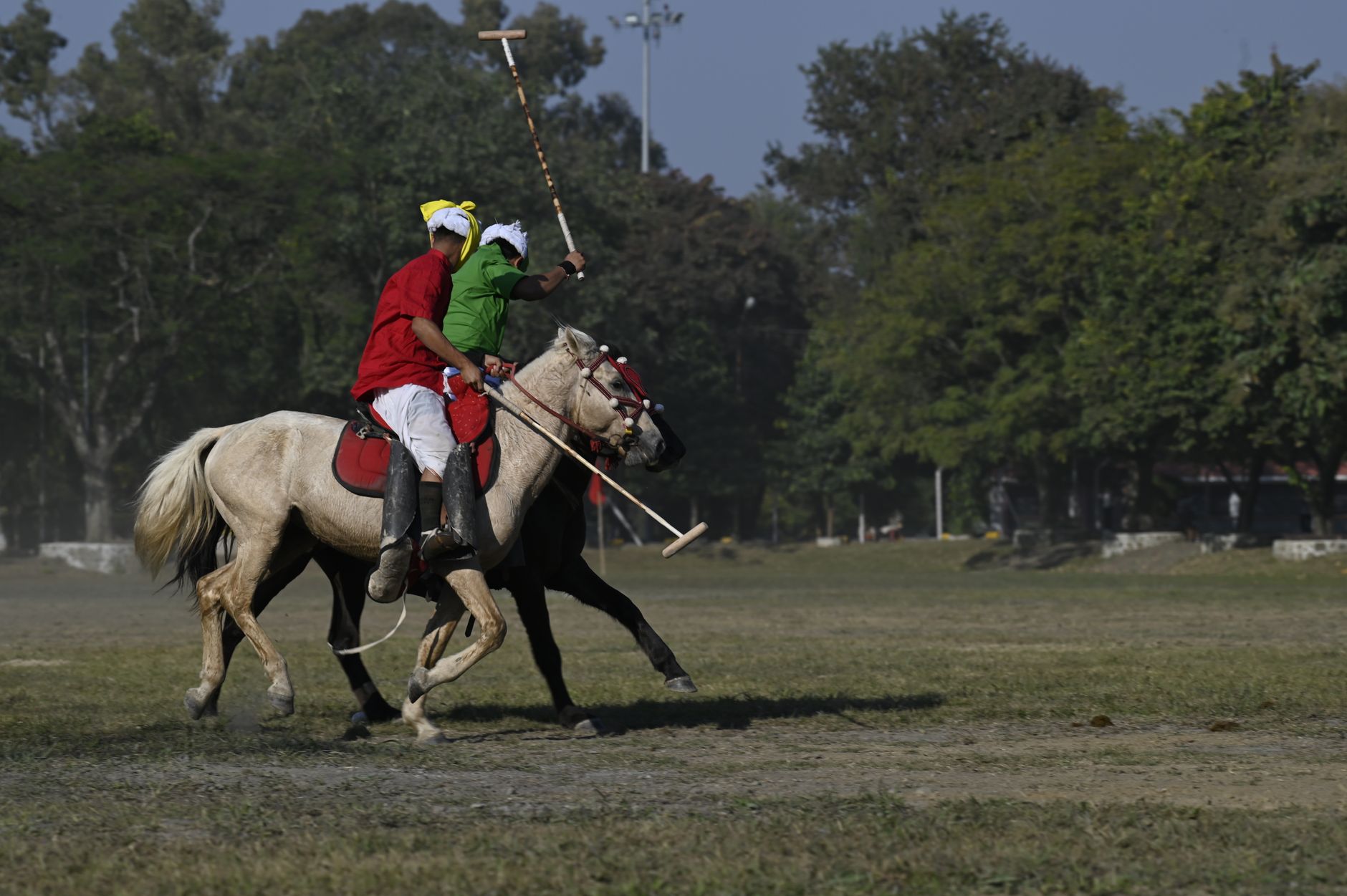
Polo bandaging tape – technically a combination of cohesive elastic wrap and protective padding – has been a fixture in the tack room for generations. It clings to itself without adhesive, resists moisture, and comes in a spectrum of colors that runs from clinical white to vivid racing silks. Grooms apply it with speed and precision before every match, wrapping each horse’s lower leg in firm, overlapping spirals that are as functional as they are visually distinctive. That spiral geometry, it turns out, translates extraordinarily well to the human wrist.
The crossover didn’t begin with a luxury brand campaign. It started at the field’s edge, where riders, grooms, and polo enthusiasts began repurposing off-cuts to wrap their own wrists after long match days. The look was rough, deliberate, and carried a specific kind of insider credibility that no retail product could manufacture. When images of that aesthetic started circulating among equestrian communities online, independent jewelry makers and small accessories labels took notice fast.
What those makers recognized was that the material itself does the aesthetic heavy lifting. Cohesive bandaging tape has a matte, slightly textured surface that reads nothing like conventional bracelet materials. It doesn’t mimic leather or rubber – it has its own visual identity tied to performance, care, and physical rigor. Worn in stacked wraps or cut into single flat bands and finished with metal hardware, it communicates sport without the slick corporate finish of mainstream athletic accessories.
The physio angle matters here too. A growing number of wearers are drawn to accessories that gesture toward body maintenance and physical practice – the kind of objects that suggest a life spent moving rather than curating. Kinesiology tape bracelets, compression-wrap cuffs, and now polo bandage pieces all sit in that same territory. They borrow the visual grammar of physiotherapy and athletic support without being clinical, which is a balance that’s genuinely difficult to achieve with conventional materials.
How Designers Are Building the Look
The construction methods vary considerably across the brands and makers currently working with equestrian bandaging materials. Some approaches treat the tape as a structural element, wrapping it over a rigid inner cuff and securing the ends under polished brass or gunmetal hardware. Others work with the material’s self-adhesive nature, layering it in tight spiral patterns that mirror the actual bandaging technique and leaving the finish deliberately imperfect – slightly raised at the edges, visibly handworked.
Color is where the trend gets genuinely interesting. Traditional polo bandaging comes in a wide range of colors because teams use color-coding to identify specific horses and leg positions during fast-moving play. That practical rainbow – navy, hunter green, burgundy, bright yellow, cobalt – gives designers a ready-made palette that feels sporty without being garish. Neutral wraps in off-white or stone are selling alongside bolder combinations, and some makers are offering custom color orders tied to actual polo team silks, which gives the product a personalization angle that collectors respond to strongly.
Hardware choices are doing a lot of the editorial work in separating the more considered pieces from basic craft-market versions. Oxidized silver closures and antique brass D-rings pull the equestrian reference through explicitly – those are the same metals found on bridles, girths, and stirrup leathers. A few designers have introduced ceramic or bone closures instead, which softens the sportswear read toward something more artisanal. Either direction works, but the hardware is consistently what signals whether a piece is treating the source material seriously or just borrowing its surface.
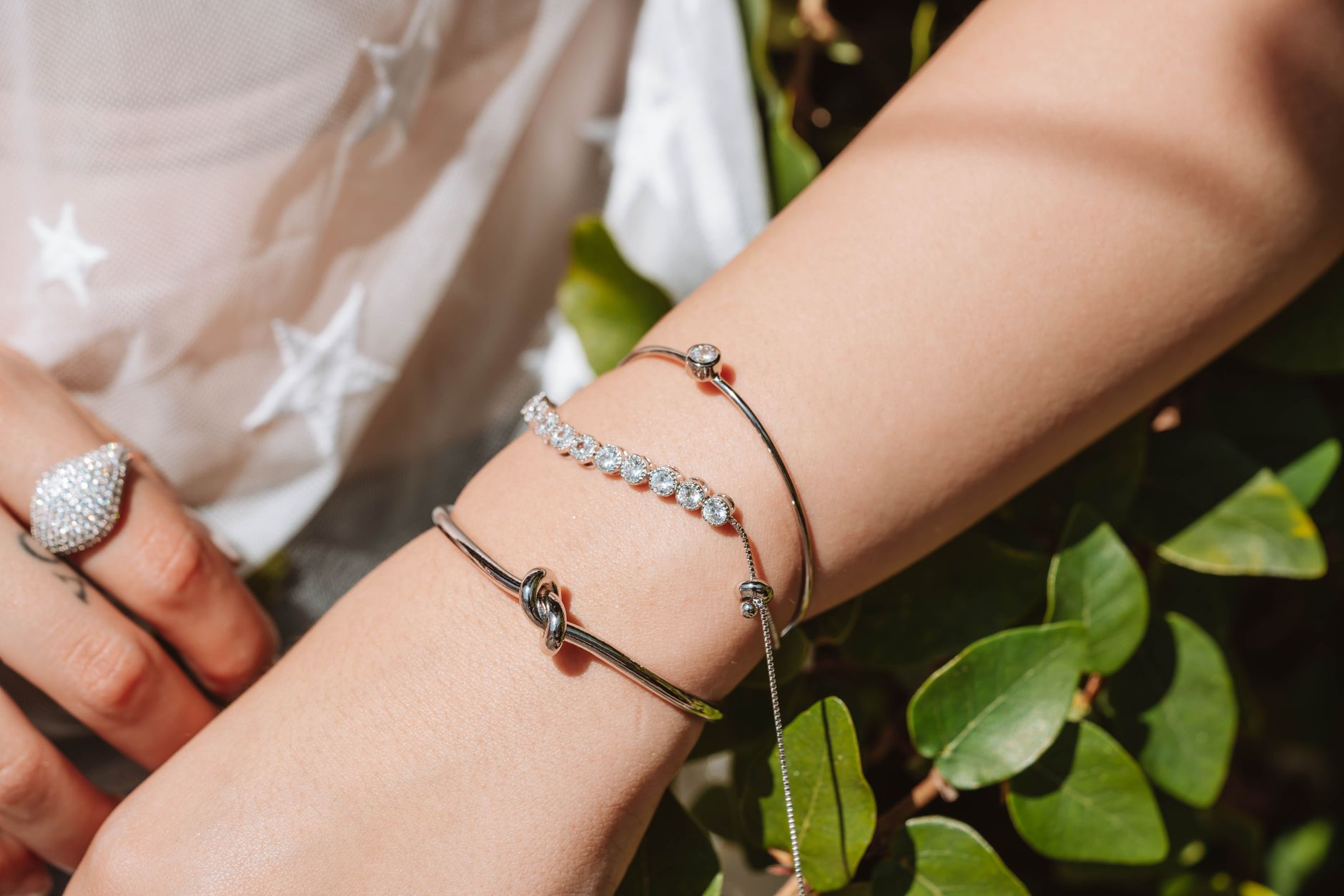
Stacking is the dominant styling approach right now. Single wraps worn alone tend to read too much like a genuine sports bandage, which is fine as an aesthetic statement but can confuse the bracelet’s identity as an object. Two or three pieces worn together – mixing widths, staggering colors, combining different hardware finishes – creates a layered effect that reads clearly as intentional accessory dressing. Some wearers are pairing these pieces with conventional fine jewelry, which is where the physio-chic designation really earns its name: a polo wrap cuff next to a delicate gold chain bracelet creates the kind of tension between registers that drives contemporary accessory styling.
The price architecture across the market is still finding its footing. Because the raw material is inexpensive and widely available, the value proposition lives entirely in construction quality, hardware, and design precision. Pieces from independent makers using hand-finishing techniques are sitting at a significant premium over DIY interpretations – and the market is supporting that gap, which suggests buyers understand they are paying for the interpretation, not the tape itself.
The Broader Context of Sport-Derived Jewelry
This trend doesn’t exist in isolation. Athletic and utilitarian materials have been moving into fine and fashion accessory contexts with increasing confidence – technical fabrics from surf and water sports have already demonstrated how performance-world materials can carry aesthetic weight far beyond their original context. Polo bandaging tape follows that same logic but arrives with a more specific class register attached to it – equestrian sport carries connotations of heritage, countryside wealth, and athletic tradition that synthetic rash guard material simply doesn’t.
That class register is worth watching carefully. The polo world’s specific social codes – the blazers, the tailgating rituals, the inherited stable names – give these bracelets a cultural shorthand that is either attractive or alienating depending on the wearer’s relationship to that world. Designers who are making the most interesting work are those treating the equestrian reference as a starting point rather than a destination, letting the material speak for itself without leaning too hard on polo’s exclusivity signifiers. The question the category hasn’t yet answered is whether that restraint holds as the trend scales.
Frequently Asked Questions
What is polo pony bandaging tape made of?
It is typically a cohesive elastic wrap that sticks to itself without adhesive, designed to support a horse’s lower legs during play. It comes in a wide range of colors and has a matte, textured surface.
How do you style polo bandage bracelets?
Stacking two or three pieces in mixed widths and colors is the most common approach. Pairing them with fine jewelry creates a strong contrast between athletic and delicate materials.