

The Scarf That Refuses to Stay Around Your Neck
Polo neck scarves – those thick, structured wraps that blur the line between a statement knit and a traditional scarf – have been circulating in styling circles for a few seasons now. But something shifted recently: they stopped being worn as accessories and started functioning as architecture. Draped over coats, knotted around lapels, or folded into the collar of a trench, the polo neck scarf is rewriting how outerwear gets finished.
The appeal is practical as much as aesthetic. A great coat can look exactly the same from October through February, and a polo neck scarf introduces a variable that changes the entire silhouette. Worn loose and draped, it reads relaxed and layered. Pulled tight and knotted high, it creates a structured column at the throat that gives even the simplest wool coat a deliberate, editorial look.
Why This Knit Works With Heavy Outerwear
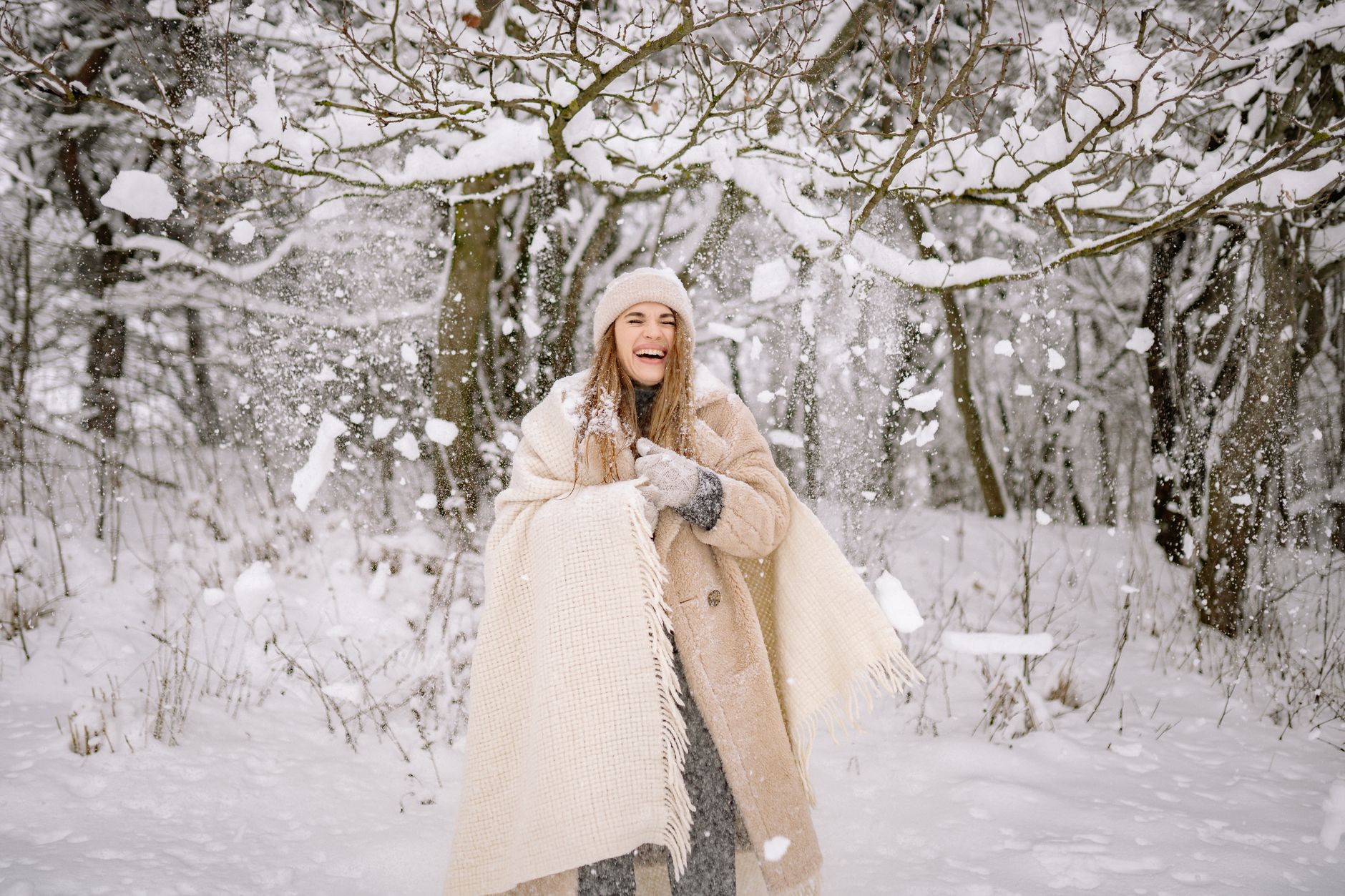
The key tension in cold-weather dressing has always been warmth versus proportion. Heavy coats add bulk, and traditional scarves often disappear into that bulk or create a messy volume at the neckline. Polo neck scarves solve this differently because they operate at a specific layer – not floating freely like a standard wrap, but sitting close to the neck and creating definition right where the coat collar ends. The result is visual structure rather than visual noise.
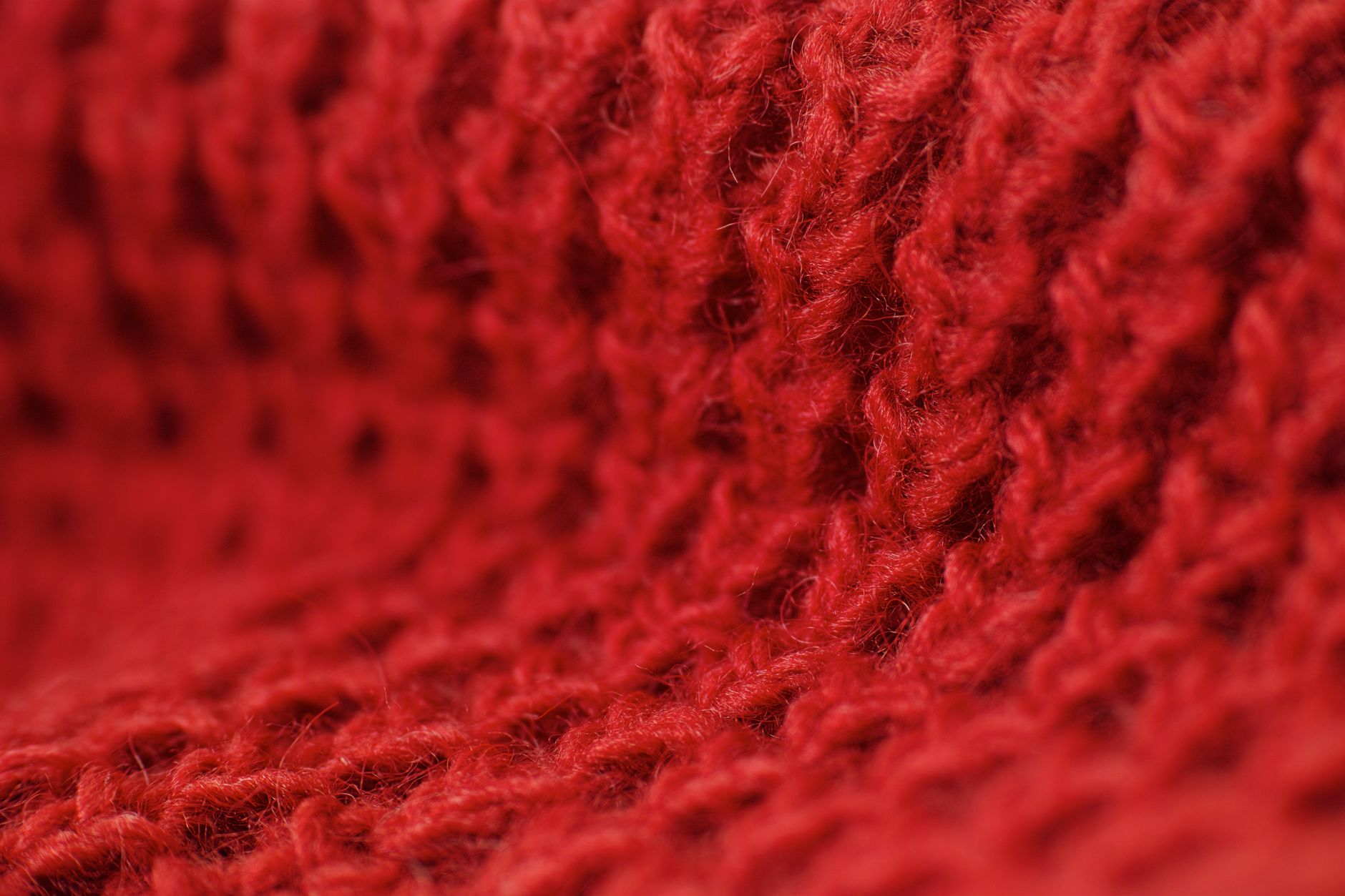
Fabrication matters here. The styles making the most impact are ribbed merino knits or cabled wool blends in neutral tones – camel, oatmeal, slate grey, and deep burgundy. These textures catch light differently than the smooth face of a wool coat, so the contrast between the scarf and the outerwear does the visual work without relying on color clash. It is a sophisticated move precisely because it does not look like it is trying too hard.
How the Knot Became a Style Decision
The actual knotting technique is where this trend gets specific. A simple tuck into the coat collar reads as practical and understated. A loose overhand knot positioned just below the chin gives off a certain French-schoolgirl-grown-up energy that has been appearing across street style in European cities. The more architectural option – a full double knot pulled slightly to one side – creates asymmetry that reads very deliberately styled without requiring much effort.
What these knotting variations share is an insistence on placement. Unlike a scarf worn for warmth, where any configuration is acceptable, the polo neck scarf knotted over outerwear is always intentional. The fold, the fall, the positioning relative to the coat lapel – these are decisions. That deliberateness is part of why the look has traction: it signals effort while keeping the overall palette calm.
Collar style on the coat is worth considering. Notch lapels give the scarf more to work with, creating a natural V-shape that the knot can fill. Funnel-neck or high-collar coats require a lighter hand – a simple fold or a low-positioned knot keeps the neckline from becoming too dense. Belted coats in particular respond well to a polo neck scarf because the horizontal anchor at the waist balances the vertical emphasis at the throat.
There is also the question of length. A shorter polo neck scarf – around 120 centimeters – is designed for tight, neat knots that stay close to the collar. Longer versions, running to 180 centimeters, allow for looser wraps and draping that can trail slightly over the chest, which works especially well with oversized coats where extra volume at the neckline does not overwhelm the frame.
Styling the Rest of the Outfit
Once the scarf is knotted over the coat, the rest of the outfit can largely recede. This is the practical upside of a strong neckline moment – trouser and boot combinations that might otherwise feel underwhelming become supporting players in a look that has a clear focal point. Wide-leg trousers in matching wool tones, or slim-cut leather trousers that contrast the softness of the knit, both work without competing.
Footwear does matter, though. The polo neck scarf over outerwear has a certain lean toward the serious – structured, considered, slightly minimal – and footwear that breaks from that can feel jarring. Knee-high boots reinforce the vertical quality of the look. Chunky-soled loafers add a note of studied nonchalance that keeps the outfit from feeling too polished. Trainers can work, but only in a very specific context: when the coat is oversized enough that the contrast reads as intentional rather than accidental.

Where the Trend Is Going
A growing number of knitwear labels are now producing polo neck scarves as standalone hero pieces rather than accessory afterthoughts, with price points climbing accordingly. Some are releasing them in limited seasonal colorways specifically matched to outerwear collections, treating the scarf as a coordinating piece rather than a casual add-on. That shift in how they are positioned – as outerwear-adjacent rather than simply cold-weather accessories – suggests the styling trend has legs beyond a single winter cycle.
Color blocking between the polo neck scarf and the coat is one direction some brands are pushing. A camel coat with a deep chocolate brown knot. A slate grey trench with an ivory scarf folded at the collar. These combinations work because the tonal relationships are close but not identical, creating depth without contrast that demands attention. The knot holds the two elements together, visually and literally.
The more interesting question is whether the polo neck scarf can hold its position as a serious styling piece once the look becomes widely adopted. Right now, it still carries the quality of something a person chose rather than something they defaulted to – and that distinction is exactly what makes it worth wearing before everyone else figures that out.