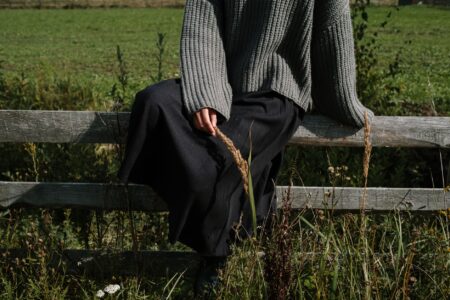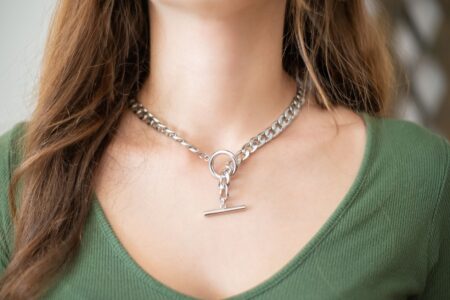


Polo tail bandages – those tightly wound, color-blocked leg wraps used to protect horses during matches – are showing up far from the stables. A growing number of streetwear designers and independent labels are pulling directly from equestrian supply aesthetics, and the polo bandage has quietly become the most borrowed detail of the season.
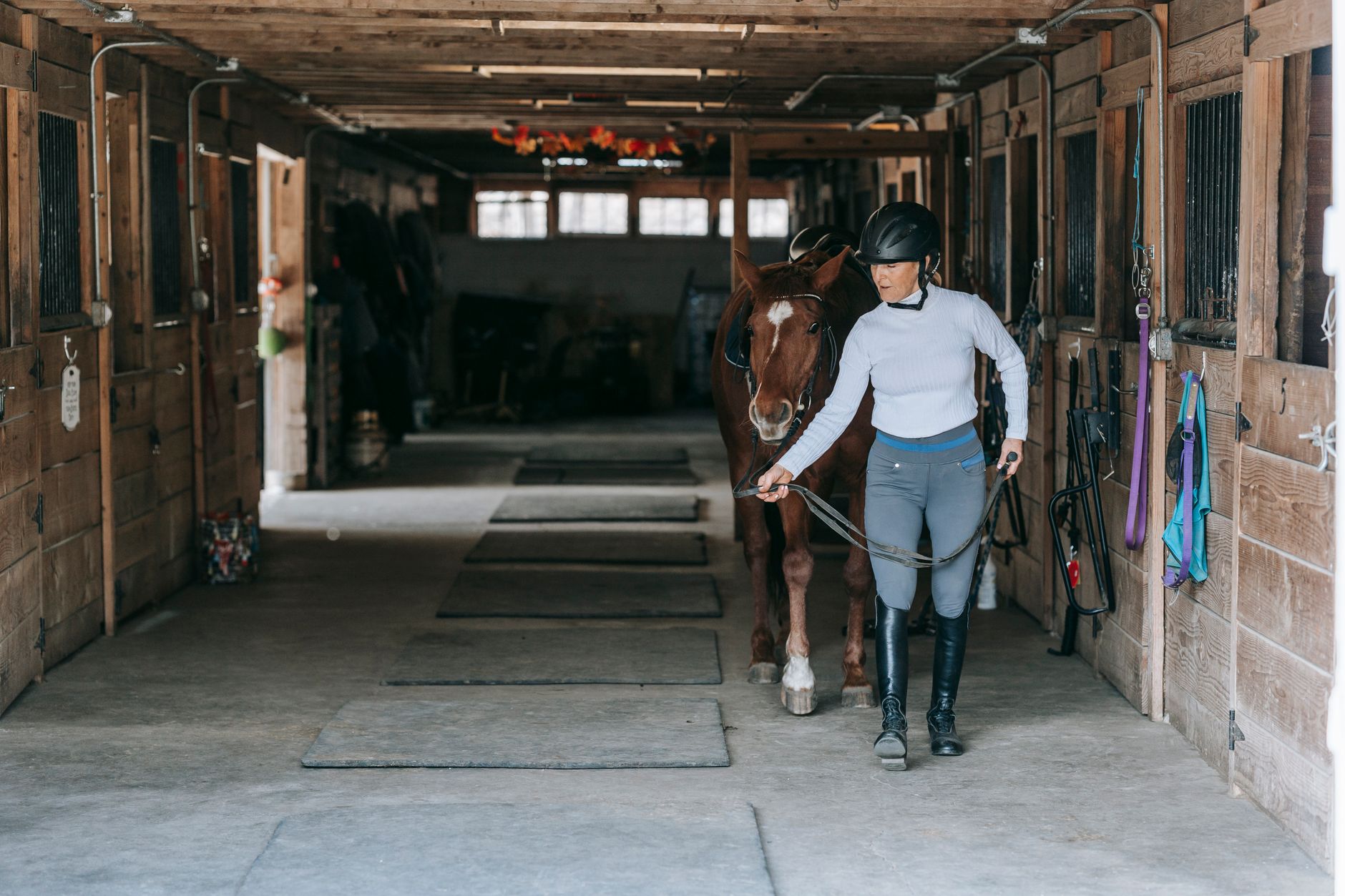
From the Paddock to the Pavement
The appeal is not hard to trace. Polo tail bandages are built around repetition and restraint: clean diagonal wraps, flat elastic tension, and color combinations that tend toward bold primaries or stark black-and-white. That visual language maps almost perfectly onto minimalist fashion’s core principles – order, geometry, and materials that do the talking. Designers working in the stripped-back aesthetic space are finding that equestrian wrap logic gives them a new formal vocabulary without requiring embellishment.
The wrapping technique itself has started appearing on accessories first. Bag handles, bracelet cuffs, and ankle details on boots are being constructed using the same winding method – tight, overlapping bands of cotton or jersey that build up into a solid column of color. The effect reads as athletic but composed, sitting closer to the restraint of Japanese streetwear than to the maximalism of, say, Western rodeo dressing. It does not announce itself loudly, which is precisely why it works in the current minimalist climate.
Fabrics matter here. Traditional polo bandages are made from wool or cotton fleece – substantial, matte, and slightly textured. When designers translate that into garment or accessory form, they are preserving that tactile quality deliberately. Shiny synthetics would kill the reference entirely. The matte surface is part of what keeps this trend anchored in utility-wear credibility rather than drifting into novelty costume territory.
Color palettes are staying disciplined. The most consistent combinations appearing across independent drops are white on black, cream on camel, and the occasional hit of royal blue or hunter green against a neutral base. These are not fashion colors – they are working stable colors, chosen originally for visibility and practicality. Translated into clothing, they carry that same no-nonsense authority, which is exactly the register minimalist streetwear has been chasing since the oversaturation of logo-driven looks started to feel exhausting.
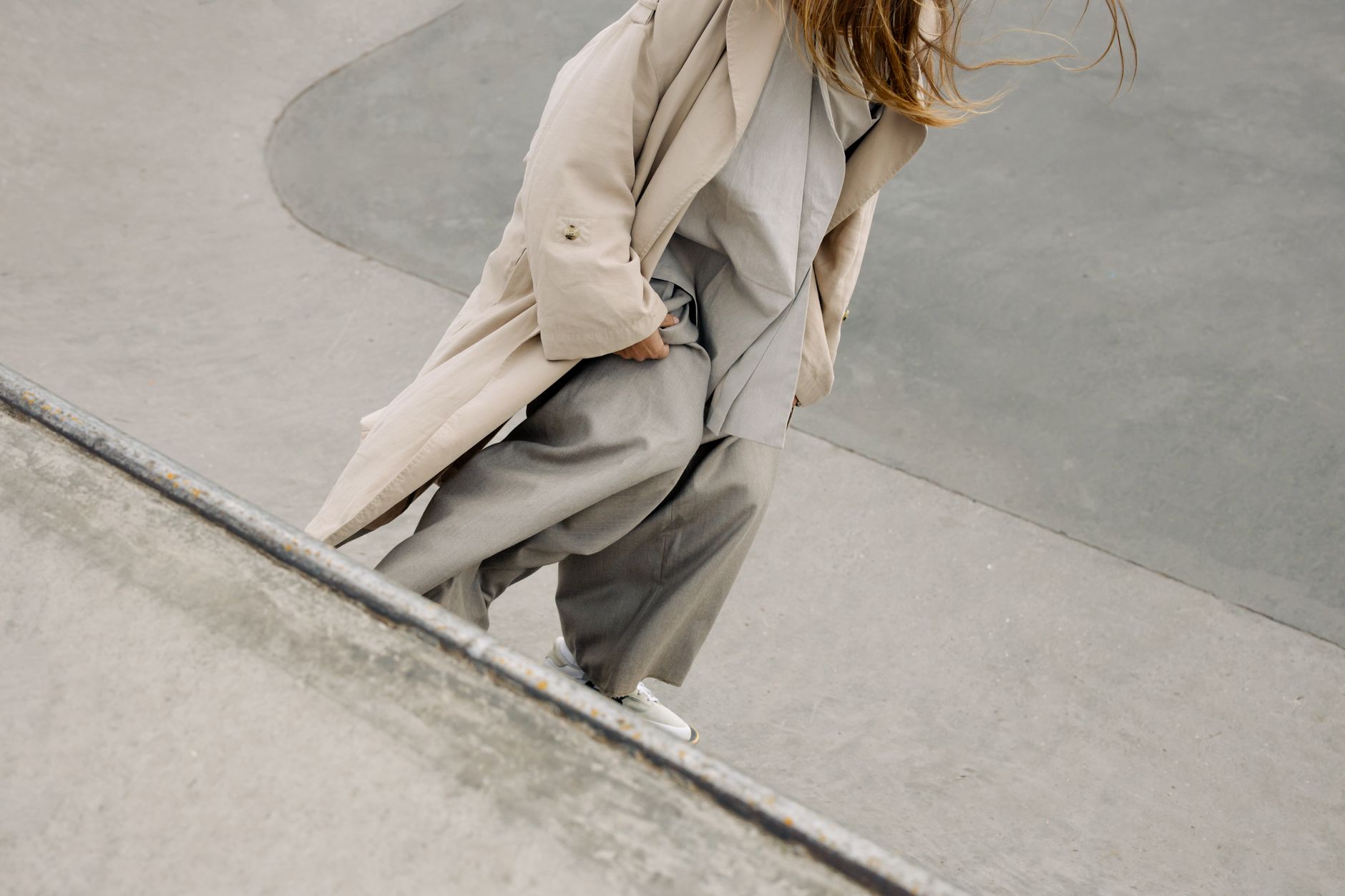
How Designers Are Executing the Reference
The most direct applications are appearing in wrapping details on trousers and outerwear. Ankle-wrapped trousers – where the lower leg is bound in a contrasting bandage-weight fabric – have started appearing in independent collection lookbooks, styled against minimal sneakers or plain leather loafers. The silhouette reads as clean and intentional from a distance but rewards a closer look. That layered legibility is a quality that streetwear with staying power tends to have.
Outerwear is picking up the reference at the sleeve and cuff. Some jackets are arriving with forearm sections wrapped in bandage-strip detailing, creating a kind of visual armor effect without added bulk. The construction logic borrows from the actual bandaging process – the fabric is not merely printed to look wrapped, it is physically layered, which changes the drape and gives edges a three-dimensional ridge. That structural honesty is what separates the better executions from pieces that are simply using the bandage as a graphic motif.
A separate thread of the trend is showing up in accessories rather than garments. Wide wrist wraps, styled deliberately like extended polo bandages, are being worn as standalone accessories over long sleeves. They function somewhere between a wristband and a cuff bracelet, and their width – typically four to six inches – gives them a boldness that thinner accessories cannot match while still reading as restrained rather than theatrical. This is the kind of accessory that avant-garde accessory culture has been gravitating toward: drawn from functional gear, stripped of irony, and worn with a straight face.
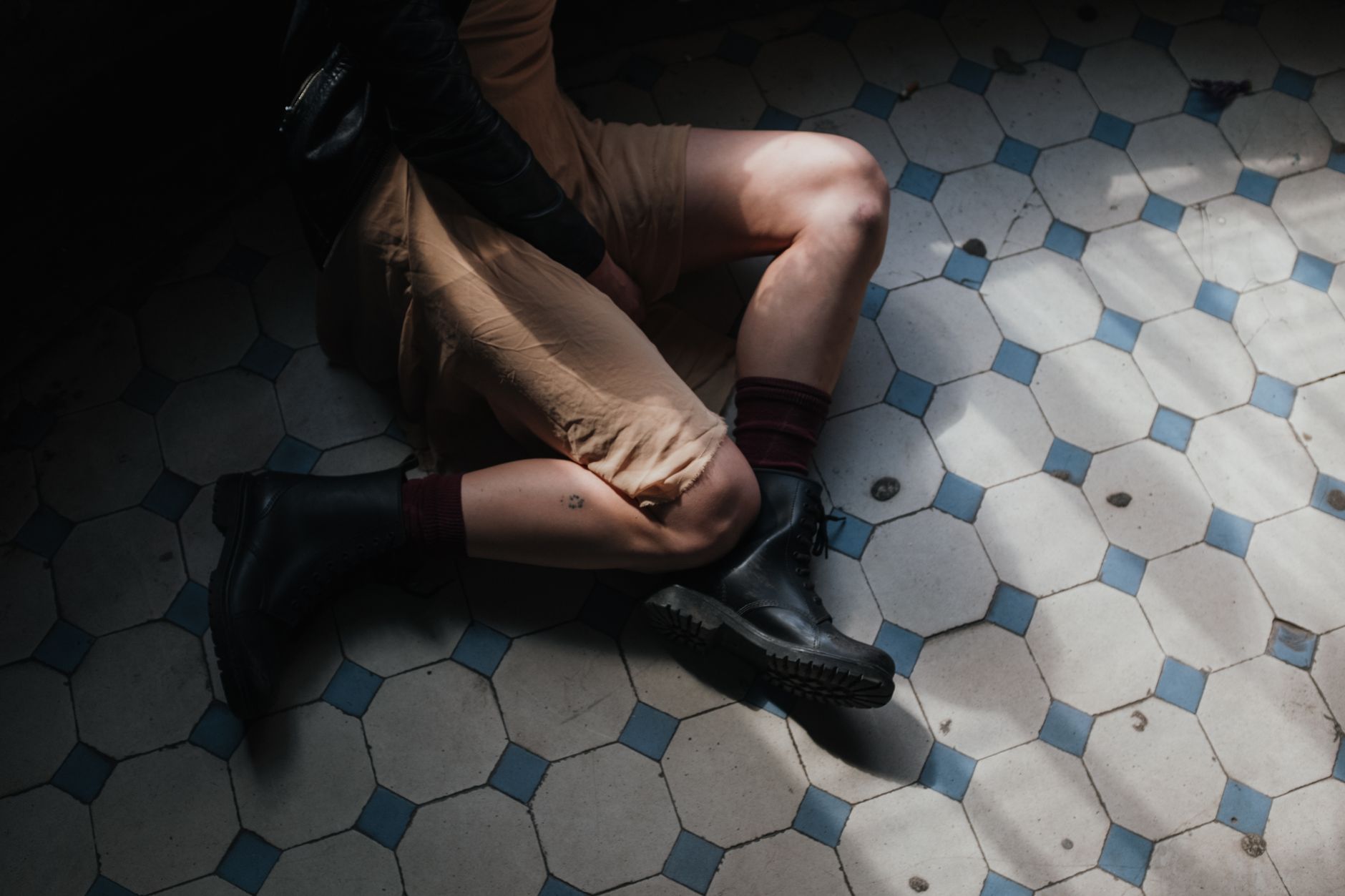
Footwear is the most experimental zone. Boot silhouettes are incorporating bandage-wrap detailing around the ankle and lower shaft, with some designs having the wrapping extend over the shoe’s toe box in a way that obscures the traditional boot-shoe divide. The effect is somewhere between a cast and a gaiter, and it divides opinion sharply. Wearers who commit to it fully – pairing the boots with the wrapped-trouser look described above – are producing images that feel genuinely new. Those who try to soften it with conventional dressing tend to lose the point.
What is making all of this cohere across different designers and categories is the shared commitment to the wrap as a construction method rather than a decoration. The polo bandage works aesthetically because of its process: one continuous piece of material wound under tension to create compression and structure. When that process is imitated faithfully in fashion contexts, the resulting piece carries a sense of purposeful engineering. When it is only imitated visually – via printed stripe patterns or sewn-on ribbon – the reference collapses into costuming.
Who Is Wearing It and Why It Holds
The early adopters skew toward the same consumer who built the market for technical outdoor wear repurposed as urban dressing – people who respond to utility logic and are drawn to gear that was designed for a specific physical purpose. Equestrian wear has a long crossover history with both luxury and streetwear, from riding boot silhouettes to the prevalence of the polo shirt itself. The tail bandage is simply a less obvious corner of that world, which gives it the freshness that more familiar equestrian references have lost through overuse.
The tension the trend has not resolved is fit into formal or dressed-up contexts. Minimalist streetwear operates comfortably in a casual-to-smart-casual register, and the wrapped details read cleanly there. But some designers are beginning to push the wrapping logic into tailoring – bandaged lapels, wrapped trouser seams – and those experiments are far less settled. Whether structured tailoring can absorb this kind of athletic utility detail without one canceling out the other is the question that will determine how long the polo bandage stays a genuine design source rather than a seasonal footnote.
Frequently Asked Questions
What are polo tail bandages in fashion?
Polo tail bandages are equestrian leg wraps being adapted by streetwear designers as a wrapping construction method for accessories, trousers, and outerwear details.
What colors are associated with the polo bandage trend?
The dominant palettes are white on black, cream on camel, and occasional hits of royal blue or hunter green – all drawn from traditional stable and working equestrian color logic.