

The white button-down has ruled menswear and womenswear basics for decades – a default choice for offices, dinners, and anything requiring a pulled-together look. But something has been shifting on the racks and runways: the polo shirt is quietly, steadily taking its place.
A Collar That Does More Work
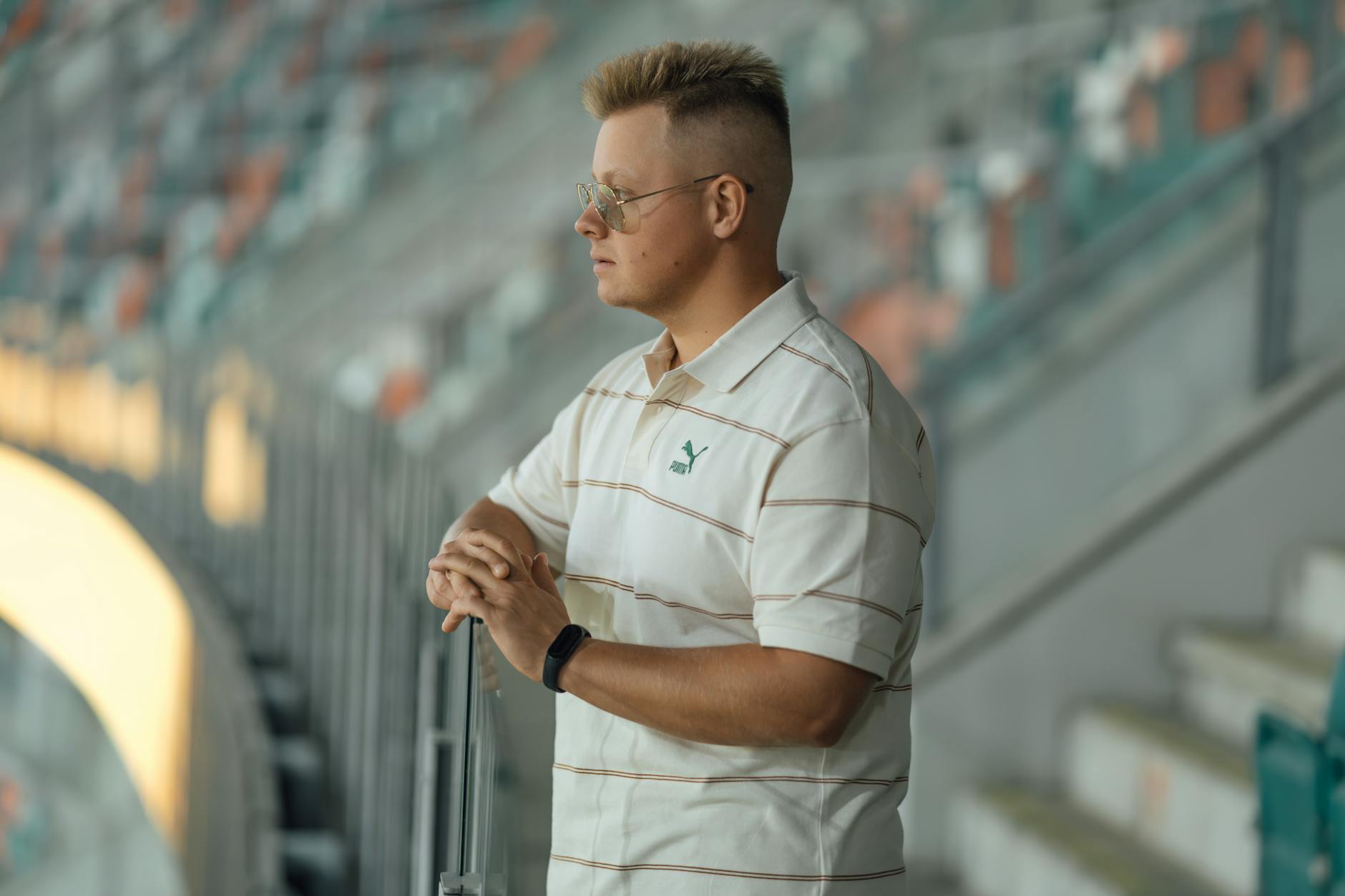
The polo shirt occupies an interesting middle ground that the white button-down cannot. It reads as put-together without the formality, athletic without the casualness. That balance is what makes it appealing to a wider range of dressing occasions – a morning meeting, a weekend lunch, a summer event where a full button-down feels stiff and a plain t-shirt feels underdressed.
Historically, the polo belonged to country clubs and tennis courts. Its association with Ralph Lauren in the 1970s and 80s gave it aspirational cachet, and sportswear brands leaned into that positioning for decades. But the version circulating now is something different. It is cropped, oversized, ribbed, or cut in technical fabrics that have nothing to do with golf. The silhouette is familiar, but the styling vocabulary has expanded considerably.
Luxury houses have been particularly active in pushing the polo into new territory. Bottega Veneta, Prada, and a number of smaller European labels have sent polo-adjacent pieces down their runways over the past several seasons – some with exaggerated collars, some in unexpected materials like satin or boiled wool. The message from these collections is that the polo is not just a casual fallback. It carries enough structure to work as a deliberate style choice.
The white button-down, by contrast, has stayed relatively static. The classic versions remain strong – a well-cut Oxford or poplin shirt from a quality maker is not going anywhere. But as a go-to piece for everyday wear, it is losing ground to a top that requires less maintenance, less ironing, and fewer decisions about tucking and layering.
Why It Works Across Wardrobes Right Now
The current appetite for rowing club and preppy-adjacent dressing has given the polo a natural runway. As heritage sportswear references have moved into mainstream fashion consciousness, the polo benefits directly – it sits at the center of that aesthetic without any styling gymnastics required. You do not need to build a mood board to make it look intentional.
For women’s fashion specifically, the polo has gained ground as an alternative to both the blazer and the classic button-down. Worn loosely tucked into wide-leg trousers or belted over a midi skirt, it carries the same polished undertone without the structure of a collar stay or the vulnerability of white fabric near food and coffee. Practicality is not glamorous, but it does drive purchasing decisions.
Fabric innovation has also played a role. Technical stretch fabrics, pique cotton blends with moisture control, and lightweight merino versions have made the polo genuinely comfortable across climates and seasons. A white button-down in July is an exercise in optimism. A well-made polo in a breathable fabric is not.
Color has helped too. The polo comes naturally in a wider range of solid, rich colors – navy, sage, chocolate, burgundy – that work without the stark brightness of white. As wardrobe neutrals have shifted toward earthier and more muted palettes, the polo slots in more naturally than a bright white shirt. It does not require the surrounding outfit to work around it.
There is also something happening at the intersection of dressed-up and dressed-down that favors the polo. The strict boundary between business and casual wear has softened considerably in how many people actually dress day-to-day. The polo operates in that in-between zone with more ease than a button-down, which still carries formality cues that can feel out of place in relaxed or hybrid-casual settings.
What Gets Lost – and What Does Not
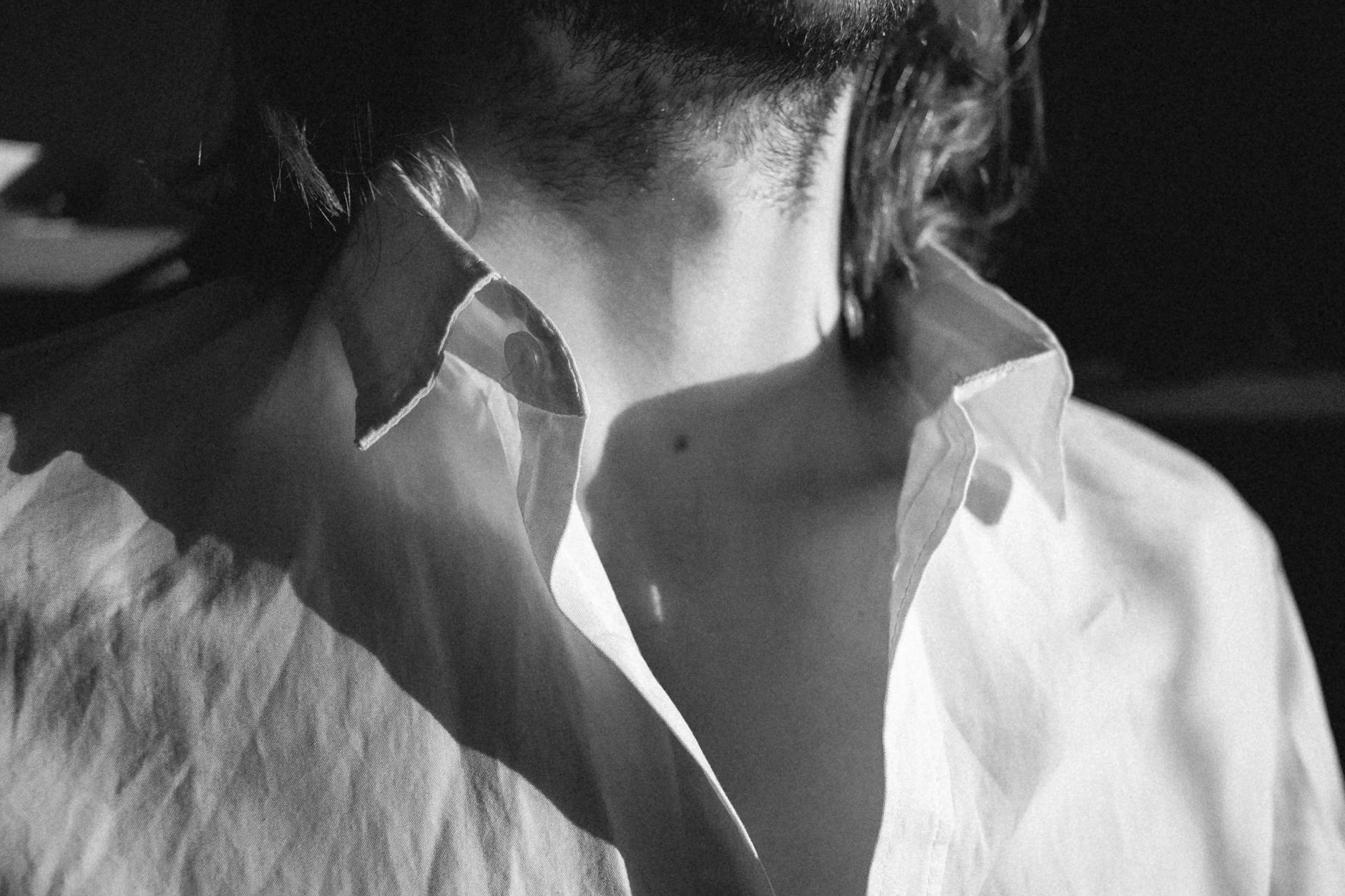
The white button-down will not disappear from anyone’s wardrobe. It remains the stronger choice for certain situations – high-stakes presentations, formal occasions, anything where the wearer wants to signal precision and effort. The intentionality of a crisply ironed white shirt still reads as deliberate in a way that carries weight in specific professional and social contexts. The polo cannot fully replicate that signal.
But the shift in what people are reaching for first is real. The polo is getting chosen on more mornings, worn to more events, and styled in more ways than it was five years ago. The question is whether the white button-down can find a moment to reclaim that everyday utility – or whether it settles into being the piece you save, rather than the piece you default to.
Frequently Asked Questions
Why are polo shirts becoming more popular than white button-downs?
Polo shirts offer a similar polished look with less formality and maintenance, making them easier to style across a wider range of occasions.
Can a polo shirt be worn in professional settings?
Yes, especially in business-casual or hybrid environments. A well-cut polo in a solid color works for most office settings that do not require full formal dress.