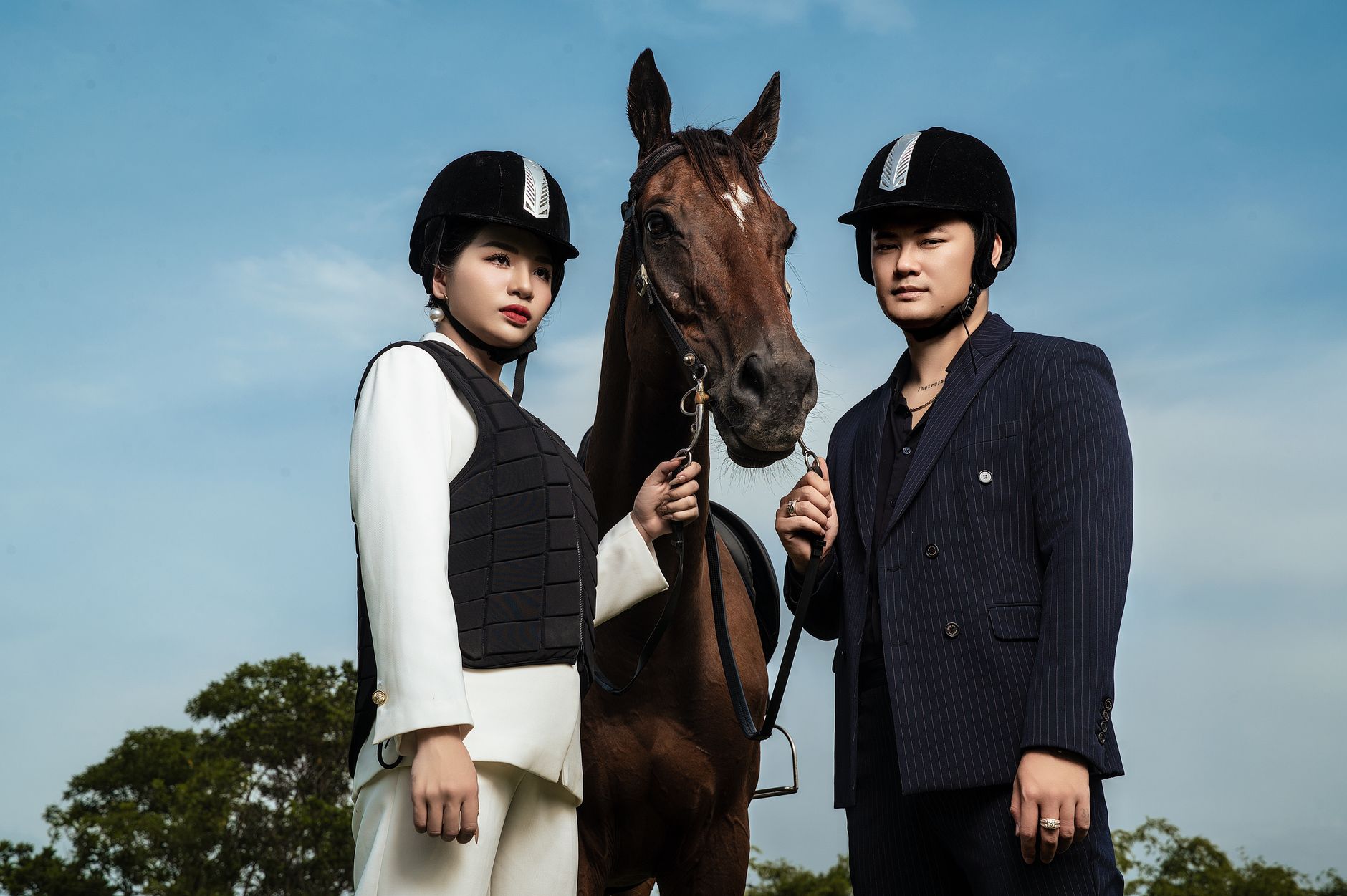


The classic fleece pullover had a long run. For the better part of three decades, it was the default outer layer for anyone navigating a cold morning commute, a weekend hike, or a casual Friday at the office. But a quiet displacement is underway, and it is coming from two directions at once: the polo wrap – a structured, knit collar layer borrowed directly from equestrian warm-up culture – and the quarter-zip, which has graduated from athletic sideline staple to a genuine wardrobe anchor. Together, they are rewriting what “cozy but put-together” actually looks like.
What makes this shift worth paying attention to is not just the silhouette change. It is the attitude behind it. Both the polo wrap and the quarter-zip carry a certain precision that the traditional full-zip or crew fleece never really had. They signal effort without announcing it loudly. That specific calibration is exactly what a generation of dressers – trained by a decade of athleisure to expect comfort but now re-sensitized to polish – seems to want right now.
Where the Polo Wrap Came From and Why It Crossed Over
The polo wrap is not a new invention. In equestrian circles, it has been a barn staple for years – a fitted, ribbed knit layer worn over breeches and riding shirts to keep muscles warm before competition. The collar is the defining feature: wide, structured, and folded over in a way that reads almost like a turtleneck’s more relaxed cousin. What changed is that the wider fashion world noticed how cleanly that silhouette photographs, how well it layers under a blazer, and how much it does to elongate the neck without demanding a full commitment to the mannered stiffness of a proper turtleneck.
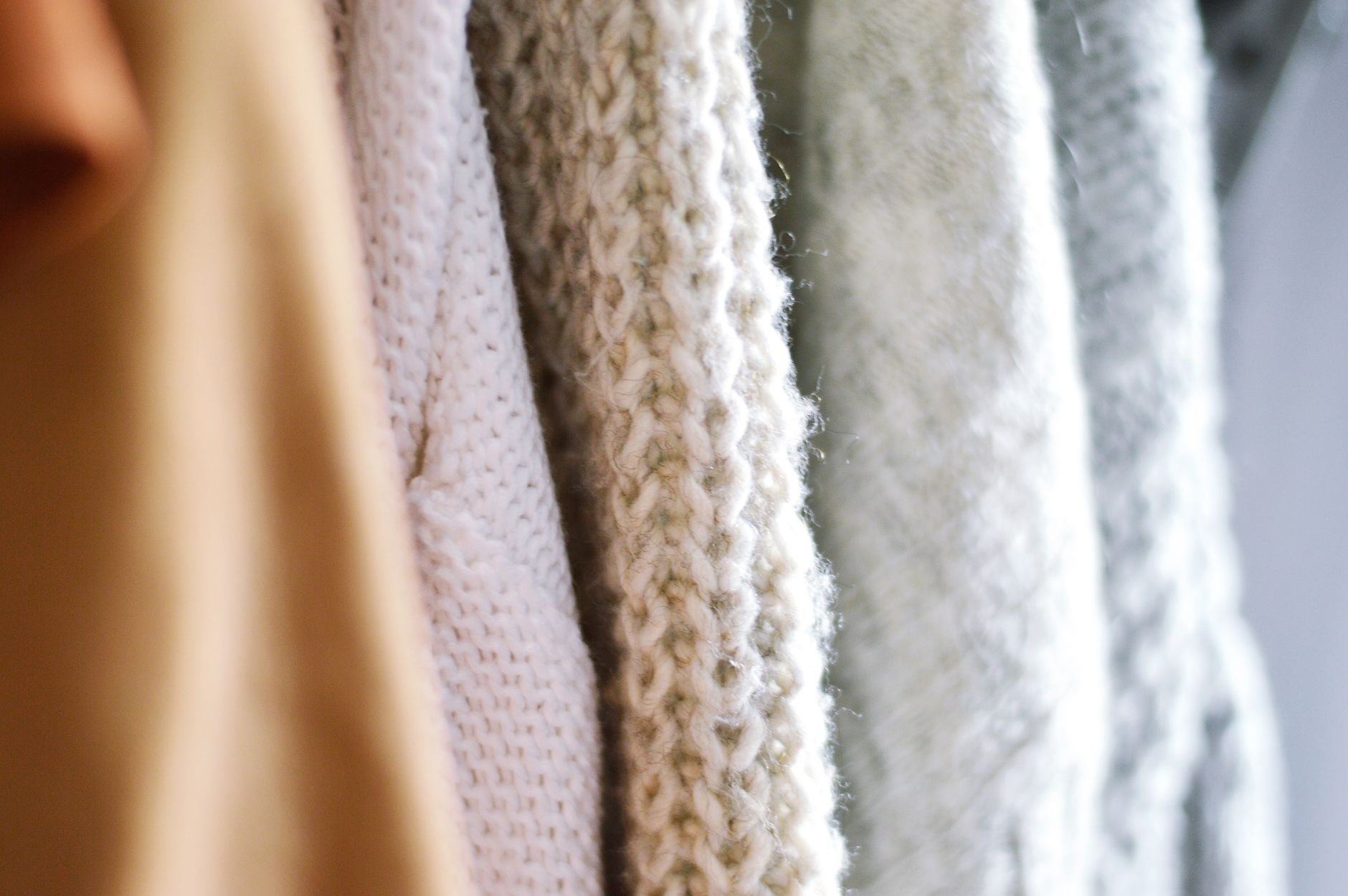
Styling it outside the barn requires almost no translation. A polo wrap in a neutral merino knit – oatmeal, slate, or deep olive – pairs naturally with tailored trousers or wide-leg jeans. The collar does the visual heavy lifting, which means the rest of the outfit can stay simple. It is a layer that communicates intentionality, which is precisely what a standard fleece, however functional, struggles to do.

The Quarter-Zip’s Quiet Elevation
The quarter-zip had a moment of mild mockery not long ago – associated with corporate golf outings and dad-friendly sportswear catalogs. That reputation is now almost entirely reversed. The same garment is appearing in premium iterations: brushed cashmere blends, Japanese technical fabrics, and structured mock-neck versions that sit closer to a tailored knit than anything you would find in a sporting goods store. The zip itself, once the awkward detail, has become a considered accent – sometimes oversized, sometimes tonal, sometimes deliberately exposed as a design choice rather than hidden.
The silhouette difference between a quarter-zip and a full-zip fleece is subtle but meaningful. The quarter-zip closes at the chest rather than splitting the torso entirely, which keeps the visual line of an outfit intact. When you open a full-zip fleece, you are essentially wearing a jacket with no structure. When you partially open a quarter-zip, you are making a styling decision. That distinction matters to how an outfit reads, particularly when the layer is being worn as a visible piece rather than just insulation.
A growing number of brands that built their reputations on technical outerwear are now putting serious design attention into their quarter-zip programs. The fabrics are getting denser and more considered, the fits more tailored through the shoulder, and the colorways less reliant on safe navy-and-grey rotations. Deep burgundy, washed sage, and off-white versions are showing up in ways that position the quarter-zip as a deliberate top layer rather than a base layer afterthought.
The crossover into non-athletic contexts is also accelerating. The ballet wrap sweater’s rise in professional settings showed that wrap and knit layers could carry workplace credibility when cut correctly. The quarter-zip is following a similar path, moving from sidelines and ski lodges into offices, dinner reservations, and gallery openings – anywhere the dress code is loose enough to reward personal style over formal compliance.
What the Classic Fleece Actually Gets Wrong
The standard fleece is not going anywhere. It is warm, packable, and washable, and those functional advantages are real. But functionally optimized is not the same as stylistically versatile. The boxy silhouette that makes a fleece comfortable under a rain shell is the same silhouette that makes it awkward over a tailored shirt. The texture – those familiar tiny loops – reads as casual in a way that is difficult to overcome regardless of how well the rest of an outfit is assembled. You can style around a fleece, but you cannot style through it.
Both the polo wrap and the quarter-zip solve that problem by belonging to a slightly different category: they are athletic in origin but knit in character, which gives them a textural legibility that sits closer to a sweater than a technical layer. That positioning is the practical reason they are gaining ground.
How to Build Around These Layers Now
The polo wrap works best when its equestrian DNA is acknowledged rather than hidden. Straight-leg riding-inspired trousers, leather loafers or short Chelsea boots, and a streamlined tote complete the picture without tipping into costume. The collar should be visible – folding it down or stuffing it under a jacket defeats the purpose. Worn over a fitted long-sleeve base layer, it handles temperatures from early autumn through a mild winter day without requiring anything heavier on top.
For the quarter-zip, fit at the shoulder is non-negotiable. The elevated versions read as polished specifically because they are cut without the excess volume of a traditional athletic layer. Slim at the sleeve, close through the upper body, and landing at or just below the hip – that proportion is what separates the designer iteration from the one that still carries the corporate golf association. Pair it with a structured trouser and a clean sneaker, or under a long wool overcoat when temperatures drop, and the layer stops registering as sportswear at all.
Layering both pieces in the same outfit is an approach some are experimenting with – polo wrap as the inner knit, quarter-zip over it with the zip left partially open to expose the collar. The result requires the pieces to be close in palette, and the collar of the polo wrap needs enough structure to survive being partially covered without collapsing. When it works, the combination has a quiet depth that no single-layer outfit achieves as easily. When it doesn’t, it reads as too studied. That tension between effortful and overthought is, ultimately, the line that separates the style-conscious from the merely trend-aware.