



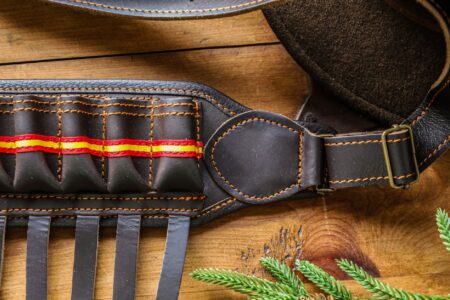
Rowing club rubbing strips – rubber perimeter ridges that protect boat hulls – are moving onto structured tote bases, solving durability problems rigid leather bases never could.

Rowing rigger glove cuffs – wide, flat, seam-edged leather – are quietly informing minimalist wristband design with functional architecture and raw material logic.


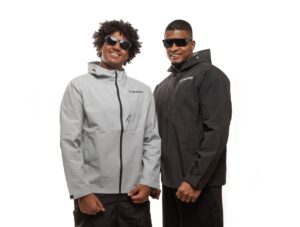




Funeral directors nationwide are abandoning traditional black attire for colorful, contemporary professional wear that better serves grieving families.

Monastery-inspired minimalism transforms modern wardrobes as consumers embrace capsule collections that mirror monastic dress codes for simplicity and sustainability.

Food service uniforms have evolved from basic workwear to fashionable statement pieces that boost employee confidence and brand identity.

Architecture students are revolutionizing fashion by applying structural engineering principles to clothing design, creating durable garments built like buildings.

Luxury fashion embraces Depression-era mending techniques, transforming survival skills into high-end design statements and sustainability symbols.

Postal worker uniforms are inspiring spring’s biggest utilitarian fashion trend, from luxury runways to street style.

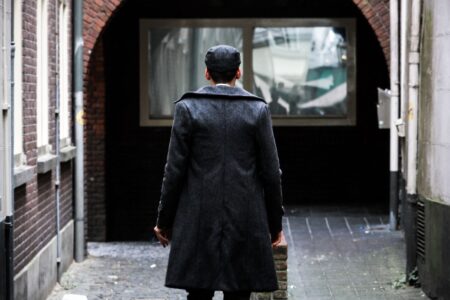
The Eton tails coat’s rear vent pleat is influencing structured skirt seam construction, bringing century-old tailoring precision into contemporary womenswear silhouettes.

The felt band on Eton tails coat collars is influencing structured neckline design in contemporary tailoring, knitwear, and outerwear. Here is how and why.
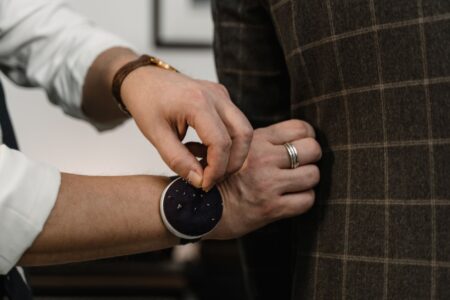
Fencing breeches leather knee patches are moving into tailored trousers, bringing athletic reinforcement detail into formal dressing with precision and material contrast.

Fencing piste boundary tape is influencing minimalist trouser hems – a narrow, flat band borrowed from sport that reframes how tailoring marks its own edges.