

Where Sportswear Ends and Tailoring Begins
Fencing breeches have never been a mainstream fashion reference. The garment – fitted through the thigh, slightly cropped at the calf, and built for explosive lateral movement – belongs to a very specific athletic world: white jackets, wire masks, wooden piste floors. But that insularity is exactly what makes the silhouette interesting to designers right now. When something has lived exclusively inside one discipline for long enough, its formal properties start to read as design rather than function.
The trouser silhouette is having a quiet but serious reckoning. Tailoring that borrows from workwear, military surplus, and equestrian sport has been circulating for several seasons, but fencing as a reference point sits apart from those categories. It carries no obvious heritage branding, no countryside associations, no dominant cultural shorthand. What it offers instead is a very precise cut: high rise, close through the seat and upper leg, with enough volume at the knee to allow movement before tapering again. That geometry is starting to show up in collections without the sport ever being named.
The Architecture of the Silhouette
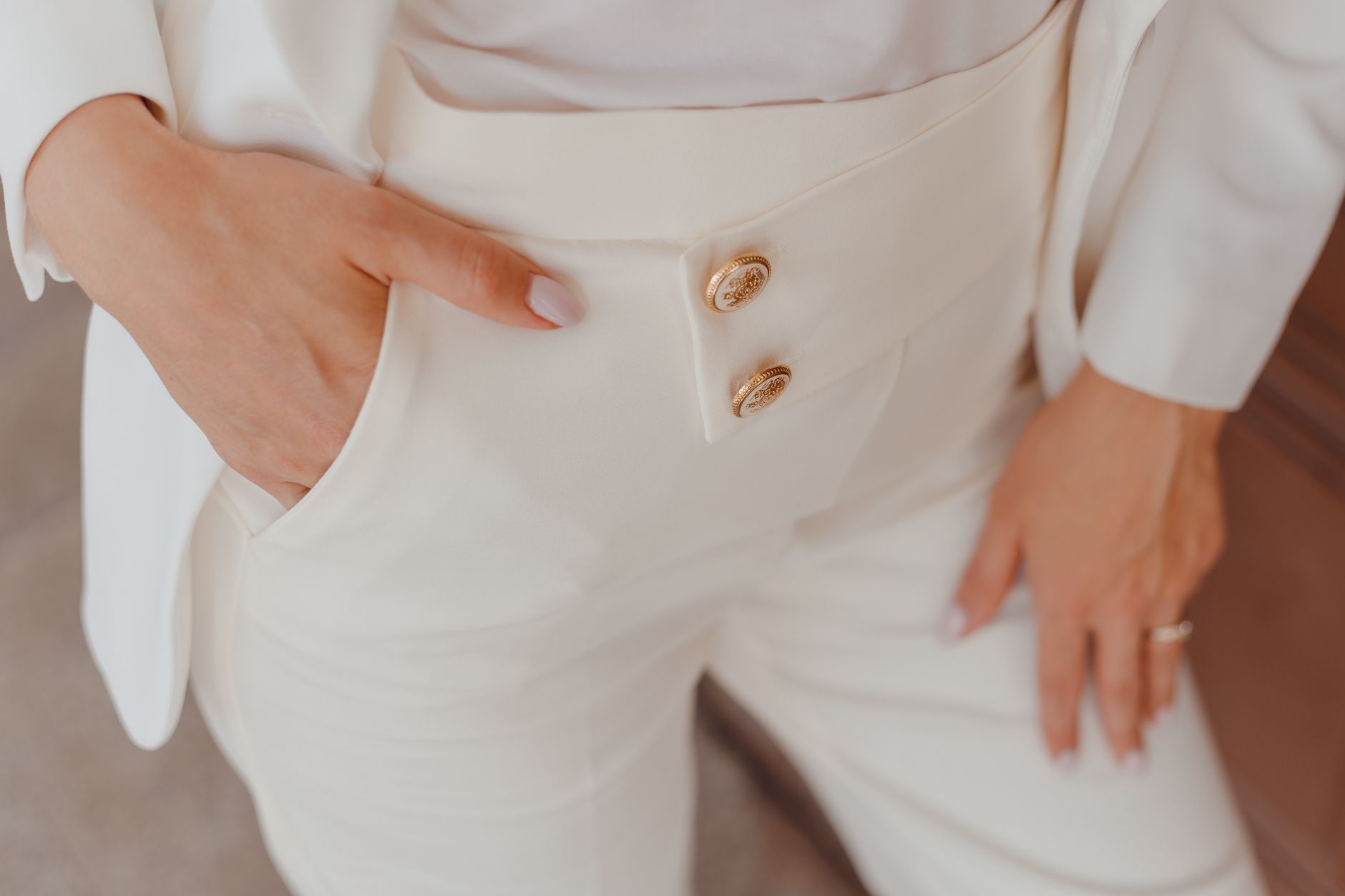
Understanding why the fencing breech translates into tailored dressing requires looking at the cut itself rather than the context. A traditional fencing breech is constructed with articulated seaming at the inner thigh, a deep rise that supports the torso during lunges, and a slightly padded outer leg in competition versions. Strip away the padding and the white fabric, and what remains is a trouser with exceptional proportional logic – one that widens where the body naturally needs room and compresses where visual length is required.
That ratio – generous upper thigh, tapered lower leg, high waist – is essentially what tailoring has been circling around since the wide-leg silhouette peaked and buyers started asking what comes next. A full break at the ankle reads as casual now. A true cigarette trouser can feel severe. The fencing breech occupies a middle ground that most tailored trousers have never quite articulated: volume that is athletic rather than relaxed, structure that is purposeful rather than stiff.
Several designers working in elevated sportswear and contemporary tailoring have introduced trousers this season with exactly this construction – a high waist, fullness through the seat and quadriceps, and a clean taper below the knee – without ever referencing the sport directly. The connection is visible in the seaming, the rise height, and the choice of technical fabrics: stretch wools, bonded jerseys, and compact twills that move with the body rather than against it.
Why It Works Outside the Piste
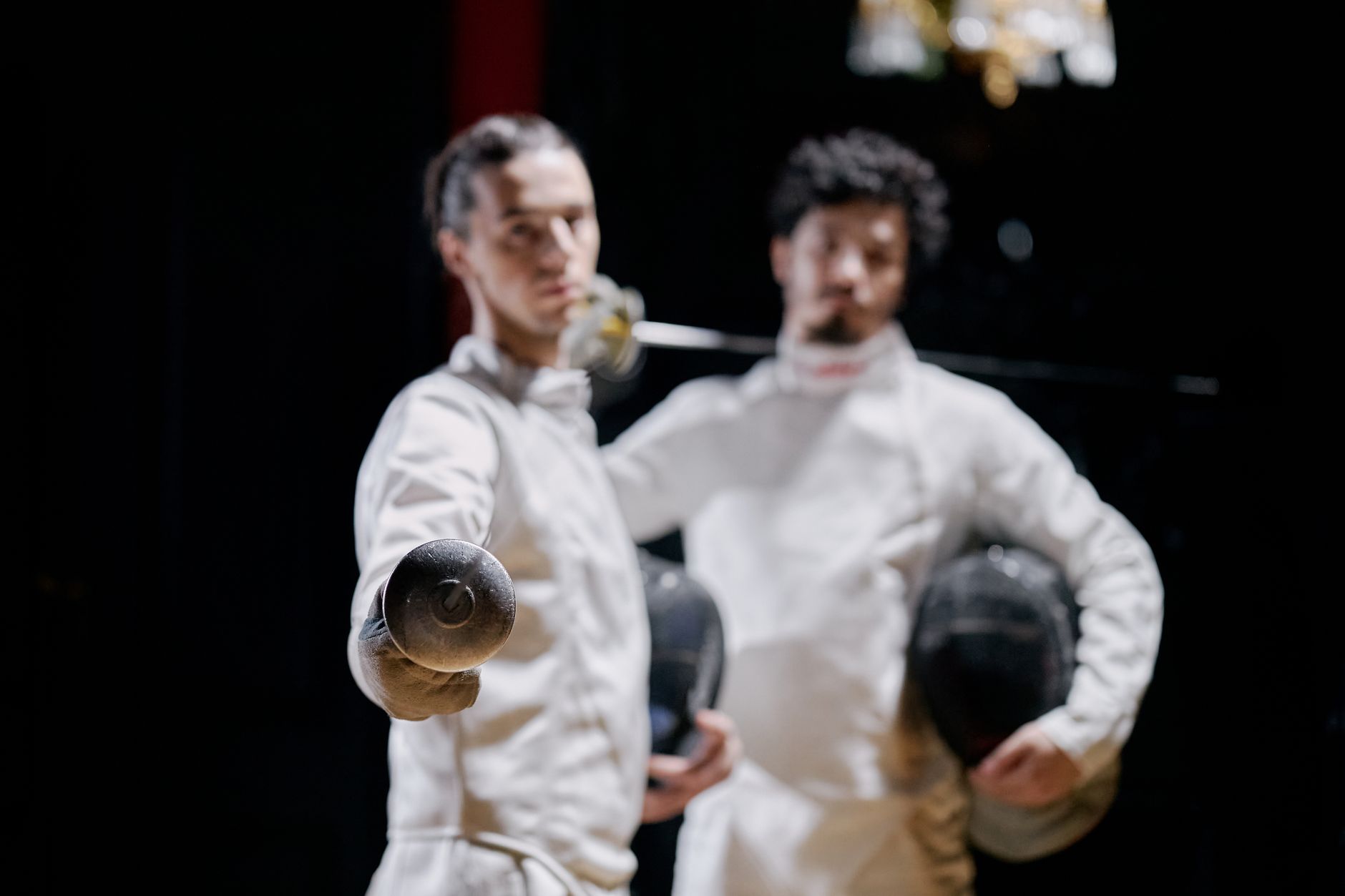
The translation from athletic context to street context works because fencing breeches were never purely casual. The sport requires formal dress codes – white or off-white, no visible branding, clean silhouette – which means the garment was designed with a degree of visual restraint that most athletic wear doesn’t have. There is no loud colorblocking, no aggressive branding, no mesh paneling. The design language is almost architectural. That restraint is what allows the silhouette to sit inside a tailored wardrobe without friction.
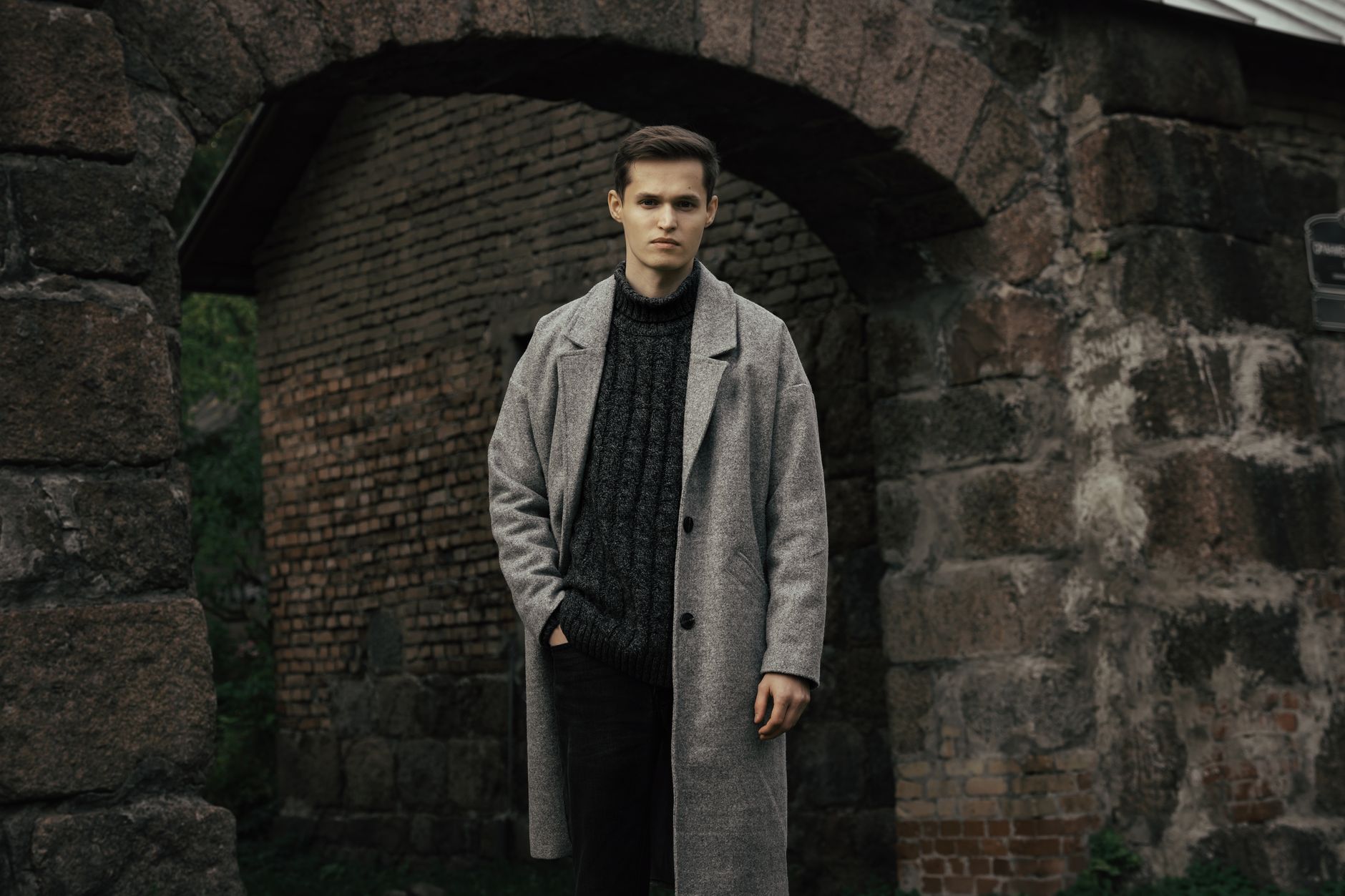
Styling that pairs the cropped, tapered leg with a long blazer or a structured shirt-jacket is already appearing on showroom floors and in editorial shoots. The high rise of the fencing breech works particularly well under longer outerwear, because it maintains a clean vertical line without bunching at the waist – a problem that volume trousers with lower rises consistently create. The proportions solve a practical problem that tailoring has been struggling with since oversized outerwear became the dominant layering mode.
Fabric as the Real Signal
Material choice is where this trend separates itself from simple silhouette borrowing. Designers who are genuinely working from a fencing reference – whether consciously or through visual research – tend to reach for technical wovens rather than traditional suiting cloths. The original breech fabric was chosen for abrasion resistance and stretch recovery, properties that happen to translate beautifully into a tailored trouser worn through a full day of movement.
Stretch wool with a matte finish reads as formal at a glance but moves like sportswear. Compact cotton twill in off-white or ecru references the fencing colorway without announcing it. These choices produce a trouser that photographs as tailored and wears as comfortable – a combination that most traditional tailoring still fails to deliver consistently. The functional origin of the garment essentially solves the fit-comfort problem that premium trouser brands have been engineering around for years.
There is also a color story developing around this silhouette that tracks with the athletic reference. Ivory, pale gray, and optical white – colors avoided in tailoring for decades because of their unforgiving nature on the body – are appearing in these cropped tapered trousers because the construction manages volume so precisely that the pale tones stop reading as risky. The cut does what the color cannot do alone: it defines the shape clearly enough that white does not expand or blur the silhouette.
This sport-to-tailoring pipeline has been active across equestrian categories – the drift of polo umpire coats into oversized outerwear follows a parallel logic – but fencing sits in a different register entirely. Equestrian sport carries status codes and heritage associations that do the cultural work before the garment even enters the room. Fencing carries almost none of that. The silhouette arrives clean, without the weight of aspiration or class signaling attached to it, which may be precisely why it reads as modern rather than referential. The question worth sitting with is whether that neutrality holds once the reference becomes recognizable – or whether the naming of it changes what it means to wear it.
Frequently Asked Questions
What are fencing breeches and why are they relevant to fashion?
Fencing breeches are fitted athletic trousers with a high rise and tapered lower leg. Their precise, restrained construction translates naturally into tailored dressing.
How do you style fencing-inspired trousers?
Pair the cropped, tapered silhouette with a long blazer or structured shirt-jacket. The high rise keeps a clean line under oversized outerwear.