

Padel is borrowing from tennis in almost every way – the scoring, the enclosed court, the social ritual of playing doubles with friends on a weekday evening. What it is not borrowing is the dress code.
A New Court, A New Visual Language
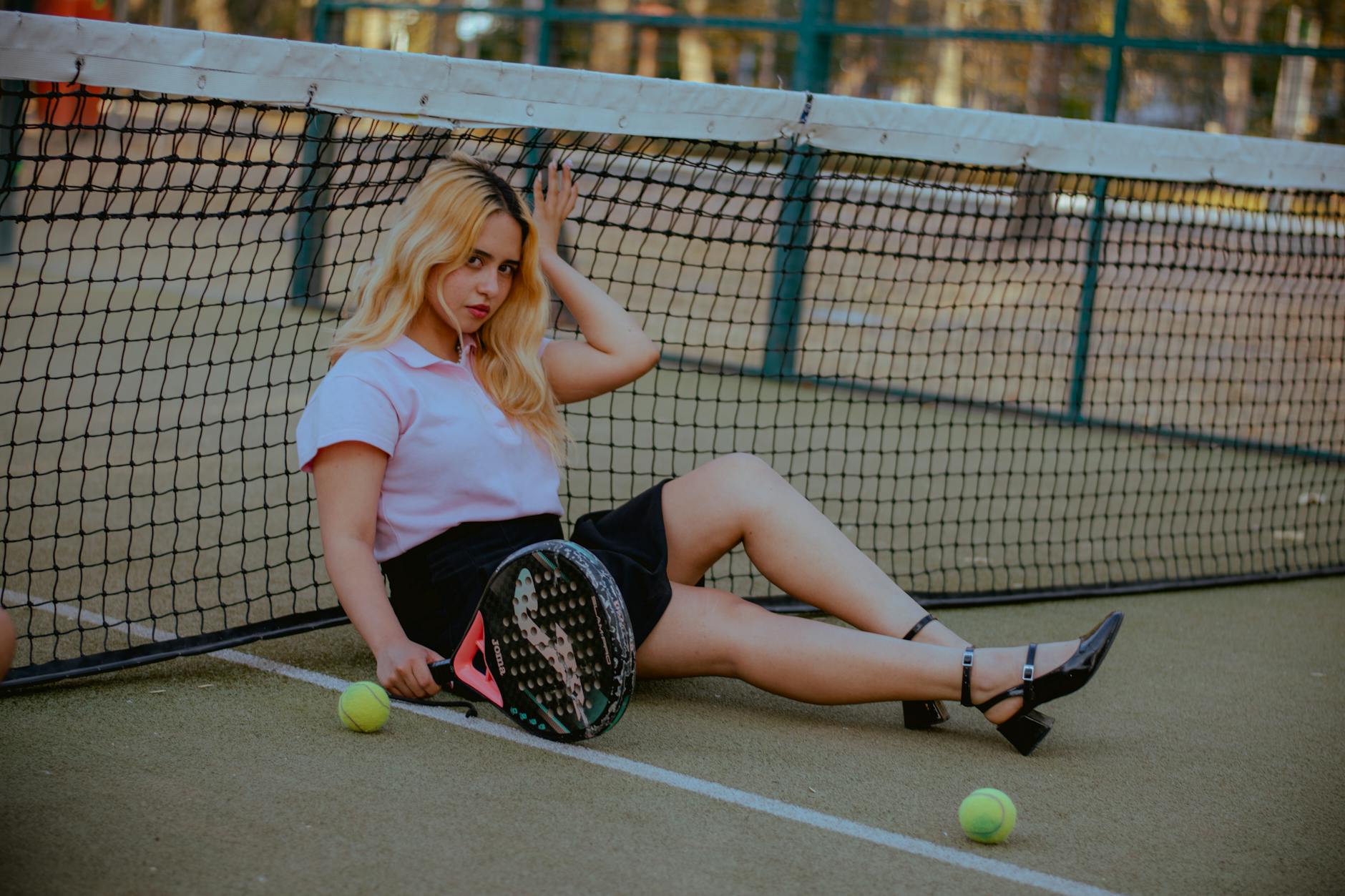
Tennis has spent decades building one of sport’s most recognizable aesthetic identities. The all-white rule at Wimbledon, the pleated skirts, the polo collar, the carefully pressed shorts – these are not just clothing choices, they are class signals dressed up as tradition. Padel, which has grown rapidly across Europe, Latin America, and now North America, arrived without any of that inherited formality. And players dressed accordingly from day one.
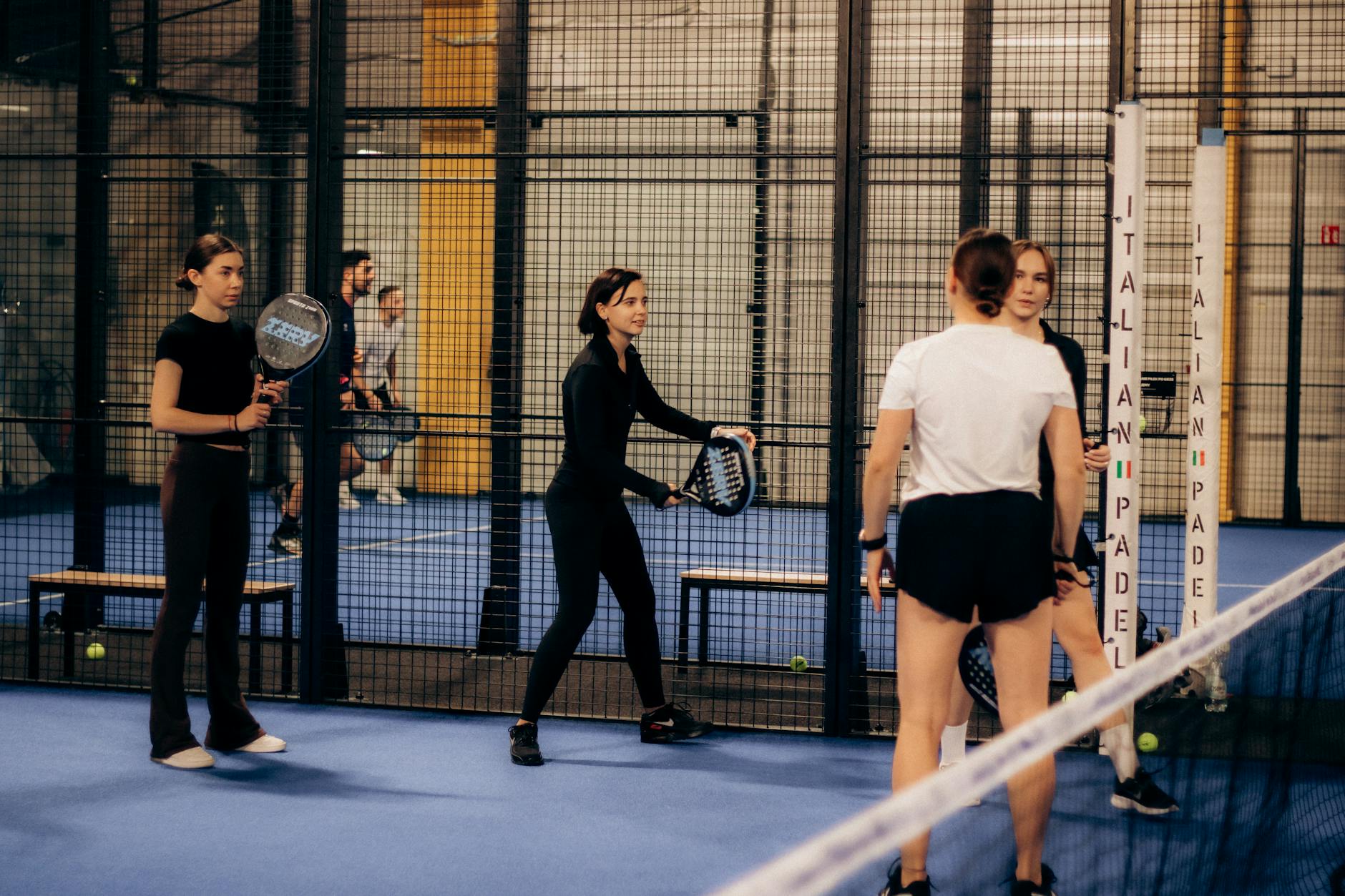
On a padel court, you are as likely to see cropped hoodies, color-blocked windbreakers, and high-rise leggings as you are anything resembling a traditional tennis kit. The enclosed glass walls and smaller court format create a more intimate, street-facing atmosphere. Courts are often built into urban spaces – rooftops, converted warehouses, open-air urban parks – which means the visual context is already closer to a skate park than a lawn club. The clothing followed that logic naturally.
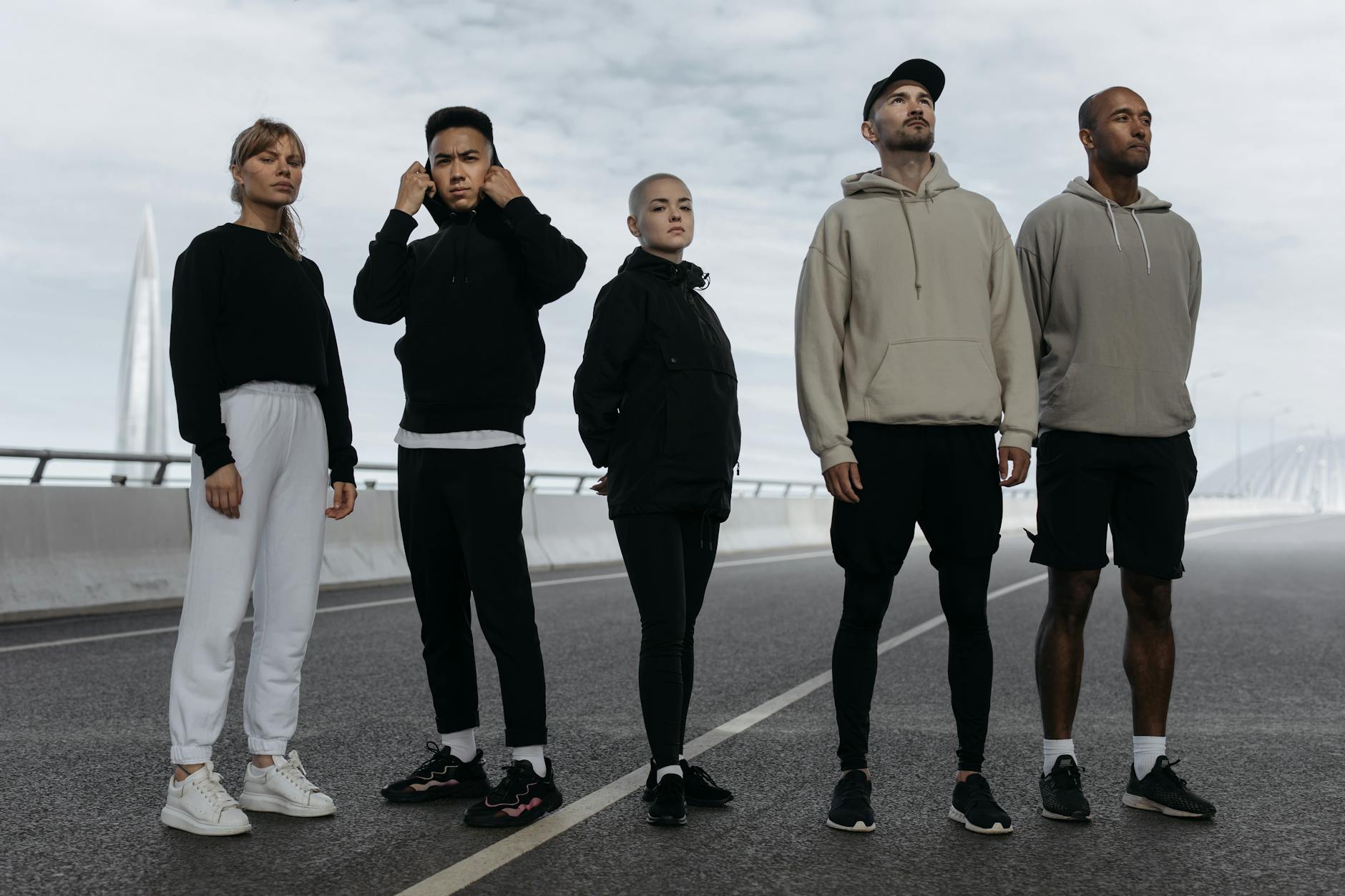
The silhouette that padel players gravitate toward is noticeably looser and more layered than tennis. Oversized technical tees worn over compression shorts. Zip-up track jackets left half-open. Bucket hats instead of visors. Chunky court-style sneakers in place of the sleek low-profile trainers that tennis footwear brands have pushed for years. The overall effect reads as athletic streetwear rather than sport-specific kit.
What makes this worth paying attention to is not just what players are wearing on the court. It is what they are wearing to and from it. The padel crowd tends to skip the locker room aesthetic entirely – the bag, the shoes, the jacket all stay the same from the Uber to the warm-up to the post-match drink at the bar next door. That kind of outfit continuity is exactly how sports aesthetics cross over into daily fashion circulation.
Why Padel’s Aesthetic Is Winning
Tennis fashion, despite its cultural cachet, has always operated within a narrow bandwidth. The sport’s governing bodies and legacy clubs actively enforce dress standards, which limits how far brands can push design without alienating their core retail customer. Padel has no such ceiling. There is no equivalent of a dress code committee, no tradition of white-only kit rules, no prestige club culture policing what you show up in. That creative freedom is exactly what fashion brands look for when deciding which sports to align with.
A growing number of sportswear labels – particularly those sitting at the intersection of performance and lifestyle – have started developing padel-specific collections that look nothing like their tennis lines. The color palette is bolder. The fits are more relaxed. The branding is larger and less apologetic. Some of the more design-forward labels are treating padel apparel the same way they treat their running or trail collections – as a chance to experiment with technical fabrication and fashion-forward cuts simultaneously.
The social dimension of padel also shapes how its fashion functions. Tennis is often a singles sport, or at most a doubles match between two pairs. Padel is almost always a social four-player game, frequently followed by food and drinks at whatever venue the court is attached to. That means the clothing has to perform across a longer stretch of the day. Players are not just thinking about what looks good mid-rally – they are thinking about what looks good at the table afterward. That practical consideration naturally pushes padel style toward pieces that are wearable beyond the court without looking conspicuously athletic.
The footwear category is particularly telling. Padel shoes have begun pulling design cues from chunky lifestyle sneakers rather than performance tennis trainers. The outsole patterns needed for the artificial turf surface happen to produce a chunkier, more visually substantial silhouette than a standard tennis shoe – which aligns perfectly with the current preference for substantial, retro-inflected sneaker profiles. The result is a shoe that looks at home on a padel court and equally plausible worn with wide-leg trousers on a Saturday afternoon. That dual functionality is difficult to achieve in tennis footwear without actively breaking from the sport’s visual tradition, which most tennis shoe lines are reluctant to do.
There is also a generational factor at work. Padel’s fastest-growing demographic skews younger than tennis’s established player base, and that cohort is less interested in sport-specific dress conventions in general. They are the same group driving the blurring of studio and streetwear aesthetics across fitness categories. For them, wearing a technical padel jacket to a coffee shop is not a contradiction – it is the point.
What Tennis Fashion Stands to Lose
Tennis’s fashion identity is not disappearing. The major tournaments still command enormous global attention, and the on-court looks worn by professional players remain widely covered and commercially significant. Luxury collaborations with tennis-adjacent heritage brands still carry real cultural weight. But the sport’s aspirational wardrobe – the look that casual fans and amateur players actually buy and wear – is facing genuine competition for the first time in a long while. When a newer, faster-growing sport is producing more visually dynamic, more versatile, and more socially integrated clothing, the direction of trend influence tends to shift over time.
The more interesting question is whether tennis brands will respond by loosening their own aesthetic constraints, or double down on heritage positioning as a point of differentiation. Some labels are already quietly expanding into padel – keeping the tennis branding prominent while letting the design language of the padel line run considerably freer. That hedging strategy suggests the industry already knows which way the momentum is moving, even if no one is ready to say it directly.