


The Perfect Smile Is Getting a Rethink
For the better part of two decades, porcelain veneers were the go-to answer for anyone who wanted a dramatically whiter, straighter smile without years of orthodontics. The procedure became so normalized that it stopped being a secret – celebrities discussed their “smile makeovers” openly, and cosmetic dentistry clinics built entire business models around veneer packages. But a shift is underway, and it is moving faster than most people in the beauty space expected.
A growing number of patients are walking into consultations asking specifically not to have their natural enamel shaved down. Enamel-first dentistry – a philosophy centered on preserving tooth structure rather than replacing it – is moving from niche practice into mainstream conversation, driven partly by social media, partly by a broader cultural pivot toward preservation over alteration.
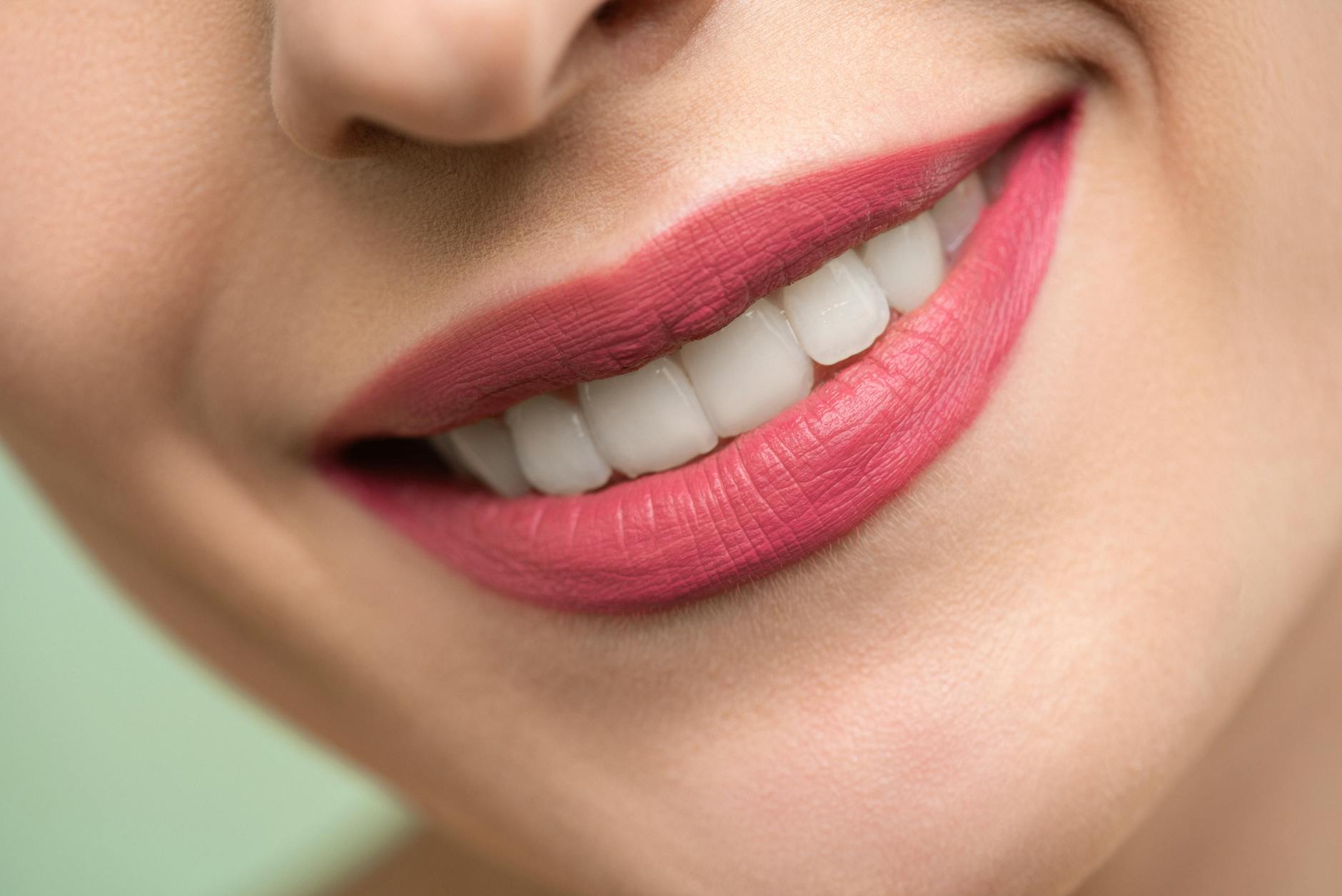
What Veneers Actually Cost Your Teeth
The core issue with traditional porcelain veneers has always been the preparation process. To bond a veneer properly, a dentist typically removes a thin layer of enamel from the front surface of the tooth – sometimes as little as 0.3mm, sometimes significantly more depending on the desired result. That enamel does not grow back. Once it is gone, the tooth is permanently committed to being covered by a restoration, whether that restoration lasts ten years or forty.
For patients in their twenties and thirties – a demographic that historically rushed toward veneers for aesthetic reasons – this permanent commitment is increasingly landing differently. The math is simple: if a full set of veneers lasts roughly ten to fifteen years before requiring replacement, a twenty-five-year-old getting them today is looking at multiple rounds of replacement procedures over a lifetime, each one potentially requiring additional tooth reduction to accommodate the new restoration.
This is the calculation that enamel-first dentistry forces patients to confront. Cosmetic dentists who have adopted this philosophy spend a meaningful portion of consultations walking through long-term scenarios rather than focusing exclusively on the immediate aesthetic result. The conversation has shifted from “what do you want your smile to look like” to “what do you want your teeth to be doing in thirty years.”
Where the Aesthetic Pressure Came From
The veneer boom did not happen in a vacuum. Reality television and high-resolution photography created a very specific visual standard for teeth – uniformly white, perfectly aligned, with a squared-off shape that looks striking on camera but reads as distinctly artificial to anyone who studies natural dentition. That standard became aspirational, then it became expected, and for a long stretch it was essentially the only template on offer for anyone seeking cosmetic dental work.
What is changing now is the reference point. A growing appetite for aesthetics that read as natural rather than constructed – visible across fashion, beauty, and wellness simultaneously – has given patients permission to want something different from their smiles. The “Hollywood smile” is not gone, but it is no longer the only desirable outcome.
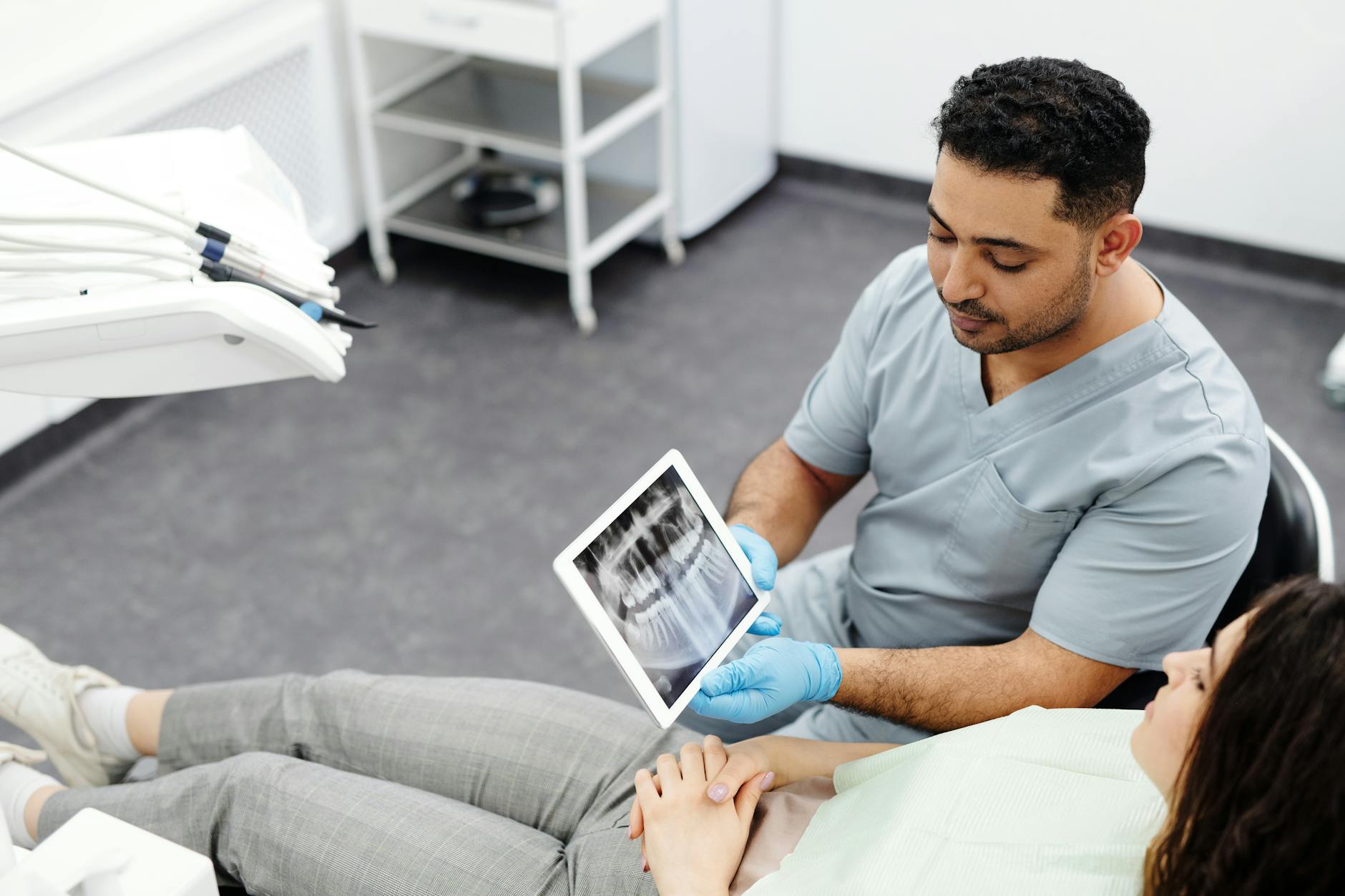
The Techniques Making Preservation Possible
Enamel-first dentistry is not a single procedure – it is a category of approaches that prioritize working with existing tooth structure. Composite bonding sits at the accessible end of this spectrum: a tooth-colored resin is applied directly to the surface without any enamel removal, sculpted to adjust shape or close gaps, and hardened with a curing light. The results are not as durable as porcelain, and they require periodic polishing and eventual replacement, but the tooth underneath is left completely intact.
Minimal-prep and no-prep veneers represent a middle ground. These ultra-thin ceramic restorations – sometimes called contact lens veneers because of their thickness – can be bonded to tooth surfaces with little to no enamel reduction in cases where the patient’s existing teeth have sufficient room. They are not appropriate for everyone, and a cosmetic dentist who is honest about candidacy will turn away patients for whom the no-prep option would produce a bulky or unnatural result. That selectivity is part of what makes the approach credible rather than a marketing tactic.
Orthodontic treatment combined with whitening is also being reframed as a cosmetic outcome rather than purely a functional one. Patients who would have automatically been directed toward veneers five years ago are now more likely to be shown a treatment plan that involves clear aligners and professional whitening first, with cosmetic bonding used selectively to address individual teeth that do not respond to orthodontic correction alone. The total cost over time can be comparable to a full veneer set, but the enamel is preserved throughout.
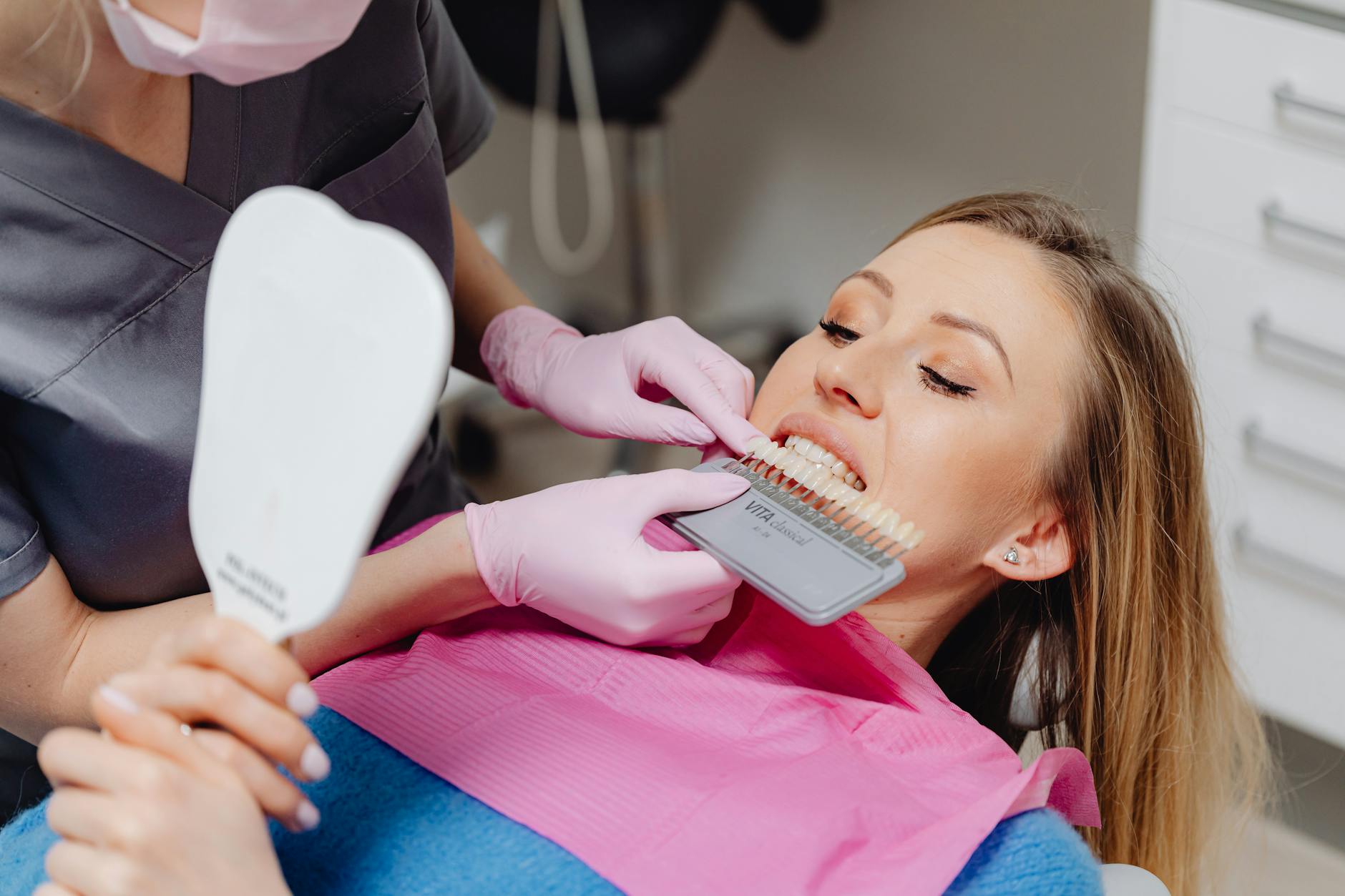
The tension in this space is real, and it is not fully resolved. Enamel-first options require patient compliance – aligners need to be worn, whitening needs to be maintained, bonding needs to be polished – in a way that a set of porcelain veneers does not. Veneers, for all their drawbacks, deliver a stable, low-maintenance result that does not ask much of the patient once the procedure is done. For patients who have significant shape irregularities, deep staining that does not respond to whitening, or teeth that have already sustained structural damage, traditional veneers may still represent the most practical solution. The question the dental world has not fully answered yet is whether the mainstream appetite for preservation will hold once patients understand what preservation actually demands from them day to day.