


The Beige Era Is Ending
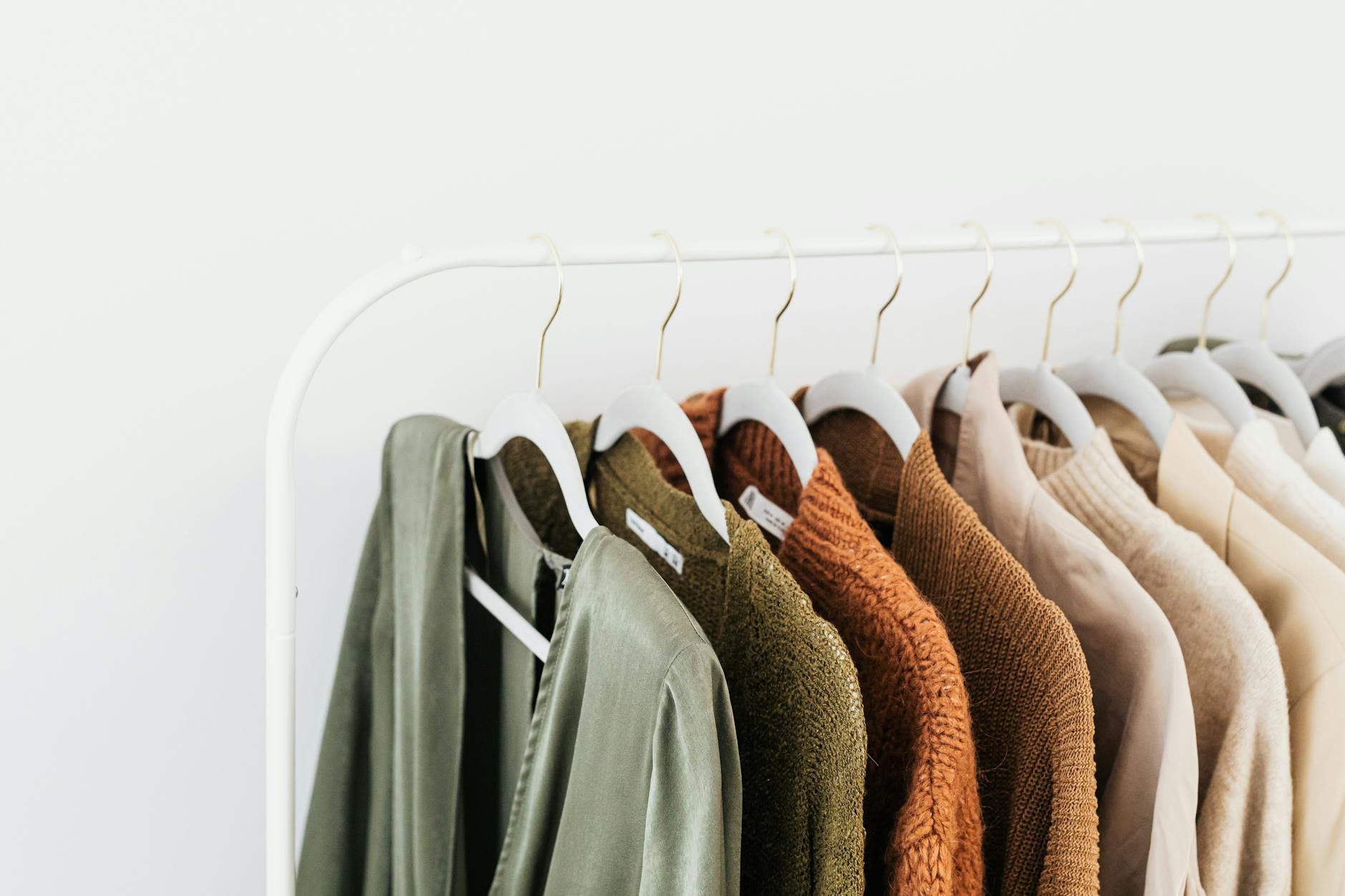
Quiet luxury had a good run. For the better part of three years, fashion’s dominant mood was deliberate restraint – cashmere in oat, trousers in stone, everything slightly expensive-looking and aggressively unbothered. The aesthetic made sense as a reaction to maximalism and logo fatigue, and it photographed beautifully on cobblestoned streets and in airport terminals. But there is a difference between a mood and a movement, and quiet luxury was always more the former than the latter.
What is replacing it is not one single thing, which is part of what makes this moment interesting. Color is returning in ways that feel deliberate rather than desperate. Embellishment is back, but with a knowing edge rather than sheer excess. Statement silhouettes are appearing in collections from houses that spent the last few seasons committed to a kind of purposeful invisibility. The restraint is loosening, and the industry knows it.
How Quiet Luxury Peaked Without Anyone Admitting It
The aesthetic reached its saturation point sometime in the last year, when the visual language of “stealth wealth” stopped feeling like a subversive rebuke to conspicuous consumption and started feeling like a uniform. When a trend becomes the safe default choice, it loses the thing that made it appealing in the first place. Quiet luxury worked because it felt like an insider signal. Once every retailer from fast fashion to department stores had a version of the oatmeal linen blazer, the signal dissolved into noise.
The styling codes also started to feel limiting for a wider audience. The aesthetic was built around a very specific body of references – old money New England, European discretion, the kind of casual wealth that does not need to announce itself. For many consumers, those references were never their own to begin with. The visual palette of quiet luxury, however polished, carried cultural assumptions that made it feel more exclusive than sophisticated, and not in the aspirational way its proponents intended.
What the Shift Actually Looks Like
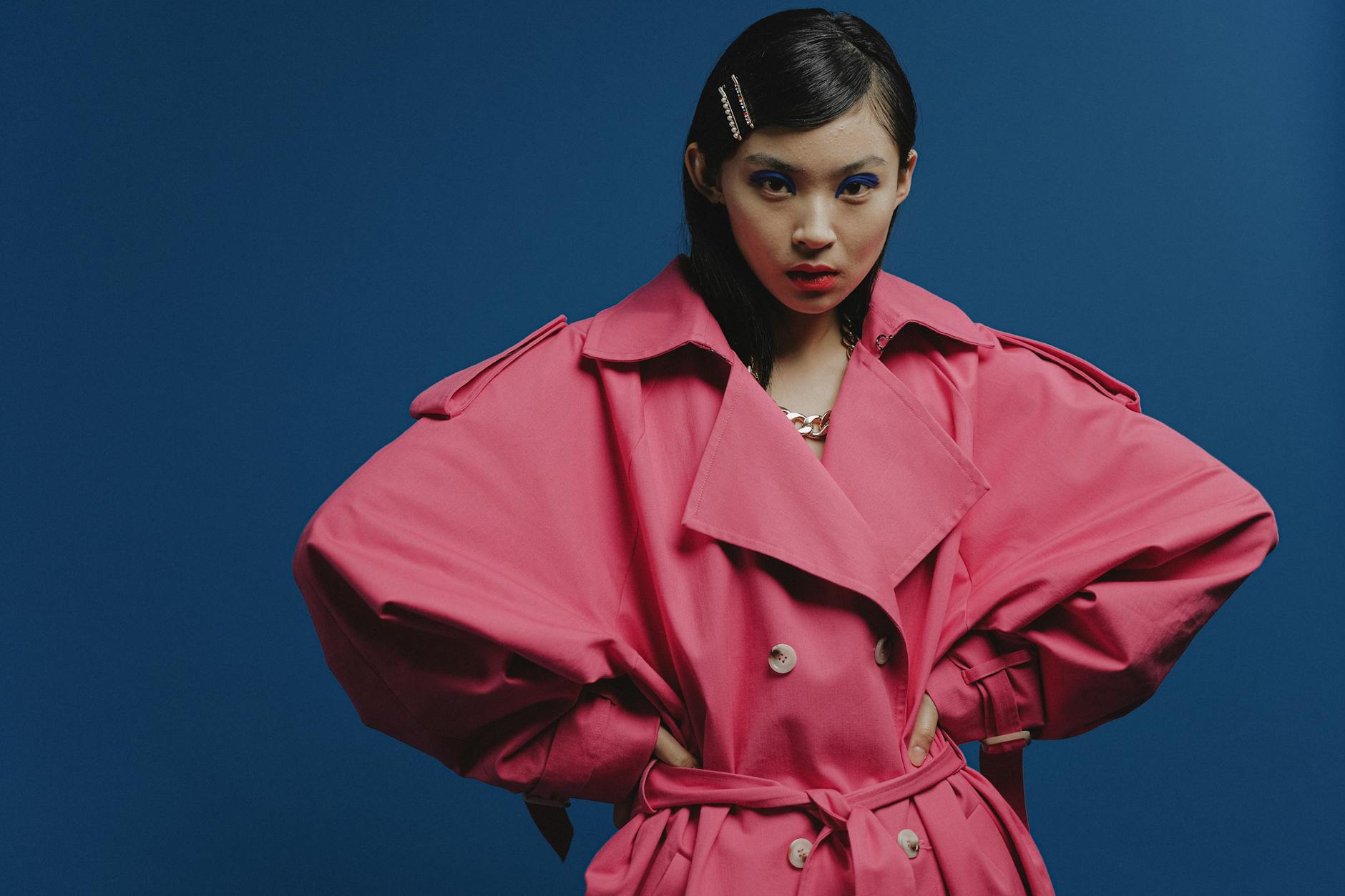
The clearest signal is color. Not the muted, desaturated tones that quiet luxury occasionally permitted, but actual saturated color – cobalt, tomato red, deep forest green worn as the centerpiece of an outfit rather than a careful accent. Color requires commitment in a way that neutral dressing does not, which is precisely why its return signals something real about where consumer appetite is heading.
Alongside color, there is a renewed interest in what might be called expressive tailoring. That means structured shoulders that read as architectural rather than boardroom-ready, coats with dramatic proportions, trousers that have a personality of their own. The goal is not volume for volume’s sake – it is clothing that participates in the visual experience of a room rather than quietly departing from it.
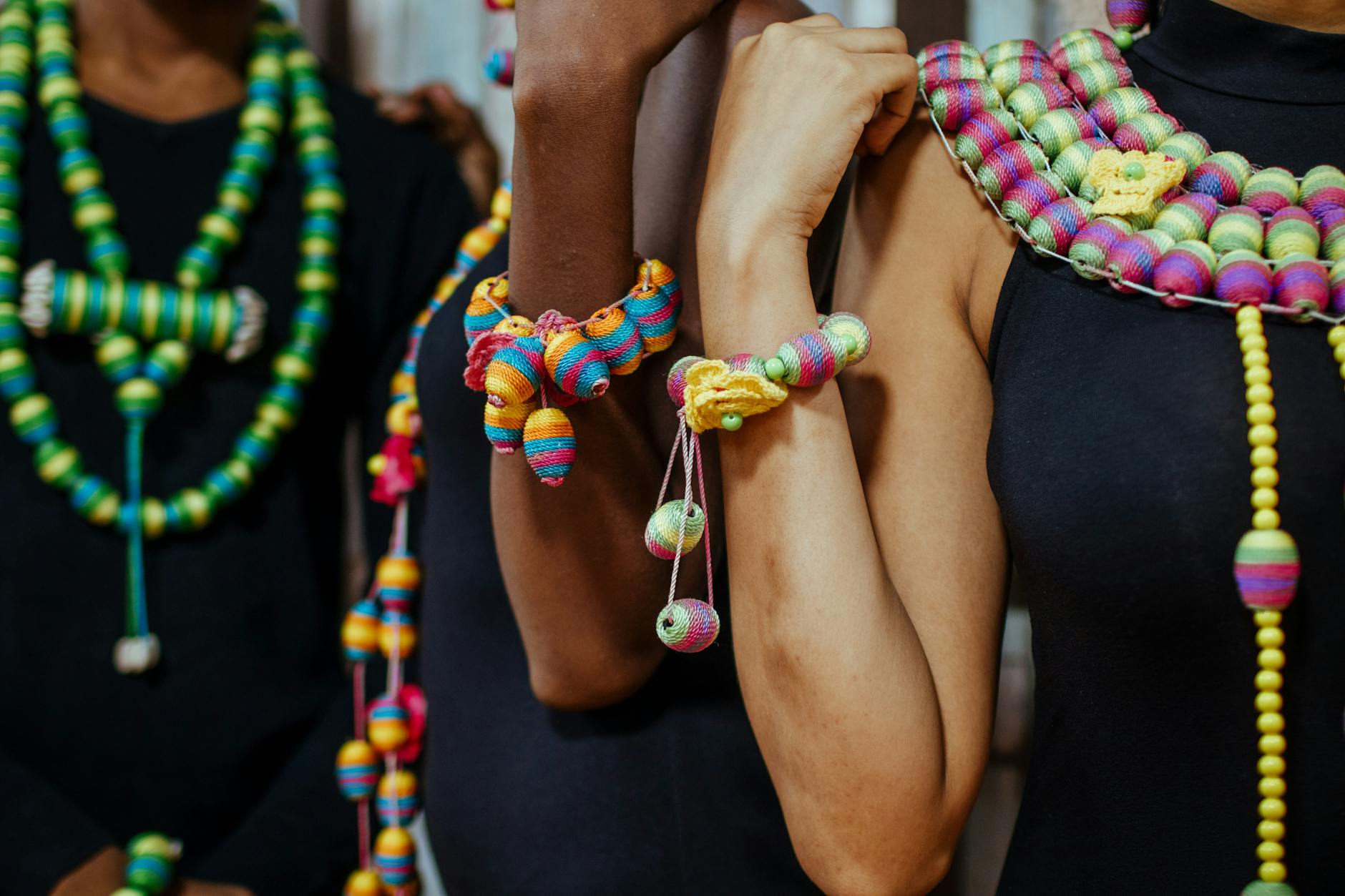
Accessories are leading the charge more than any other category. After years of the understated chain strap bag and the barely-there loafer, there is visible appetite for pieces that make a point. Statement jewelry is selling at a pace that flat leather goods are not matching. Bags with texture, hardware, and visual presence are outperforming their minimal counterparts in a number of retail segments. The shoe category is particularly telling, with embellished and sculptural styles gaining ground on the plain leather flat that defined the quiet luxury moment at its height. Gen Z’s embrace of vintage hair clips and bold accessories has been building for some time, and that energy is now moving up market.
None of this means the wardrobe of expensive basics is going anywhere. Cashmere and well-cut trousers will always have a place. What is changing is that they are no longer being positioned as the entire point. A beautifully made white shirt is now more likely to be styled with something interesting on top of it than treated as the final word on dressing well.
The Brands Feeling the Pressure
Brands that built their recent identity entirely around the quiet luxury visual language are facing a recalibration. The risk for those labels is that their aesthetic has become so closely associated with a specific cultural moment that moving away from it feels like a betrayal, while staying put means watching the conversation move on without them. That is a genuinely uncomfortable position, and the collections coming out of those houses over the next two seasons will be worth watching closely.
The brands with more flexibility are those that never fully committed to neutrals as a philosophy, only as a season. For them, pivoting to a more expressive vocabulary feels less like abandonment and more like evolution. The houses that framed restraint as a value rather than just a choice are the ones that will find the transition harder to navigate in a way that feels credible to their audiences.
What Comes Next, and What Does Not
The incoming aesthetic does not have a clean name yet, which is both a feature and a sign of its early stage. Some corners of the industry are reaching for terms like “maximalist precision” or “expressive classicism,” neither of which has found traction. What the trend has in common across its various expressions is a sense of intention – the idea that a garment should communicate something specific rather than simply not communicating the wrong thing.
That shift in orientation is meaningful. Quiet luxury was defined by subtraction, by the removal of anything that could be read as trying too hard. The emerging mode is defined by addition, by the inclusion of elements that make a deliberate choice visible. Both approaches require taste and confidence, but they ask very different things of the person wearing the clothes.
There is still real resistance to the idea that maximalism is returning in any classical sense. The excess of the early 2010s, logo stacking, visible branding, decoration for its own sake, remains deeply unfashionable in the rooms where fashion is decided. What is coming is something more edited than that, more knowing. The question is whether the industry can maintain that distinction once the commercial pressure to scale a new trend kicks in – because that pressure is exactly what hollowed out quiet luxury in the first place.