

The Fleece That Refuses to Stay Outside
Patagonia’s signature fleece jacket was designed for cold mountain mornings and trail heads, not conference rooms. Yet walk through the offices of any finance firm, architecture studio, or media company on a brisk morning, and you will find it layered over tailored trousers, tucked under blazers, or worn as a standalone top alongside wide-leg trousers and leather loafers. The brand that built its identity on environmental activism and technical outdoor gear has quietly become one of the most recognizable signifiers in corporate dressing – not because anyone planned it that way, but because function and status arrived at the same address at the same time.
This is not the first time outdoor apparel has crossed into professional territory. The gorpcore movement normalized technical fabrics and hiking-adjacent silhouettes on city streets years ago. But what is happening in offices right now feels different. The Patagonia fleece is not being styled ironically or worn as a fashion statement – it is being worn as default work clothing by people who would otherwise be reaching for a cashmere crew neck or a structured cardigan. That quiet confidence is exactly what makes the shift worth paying attention to.
Why the Fleece Works Where Other Casual Pieces Failed
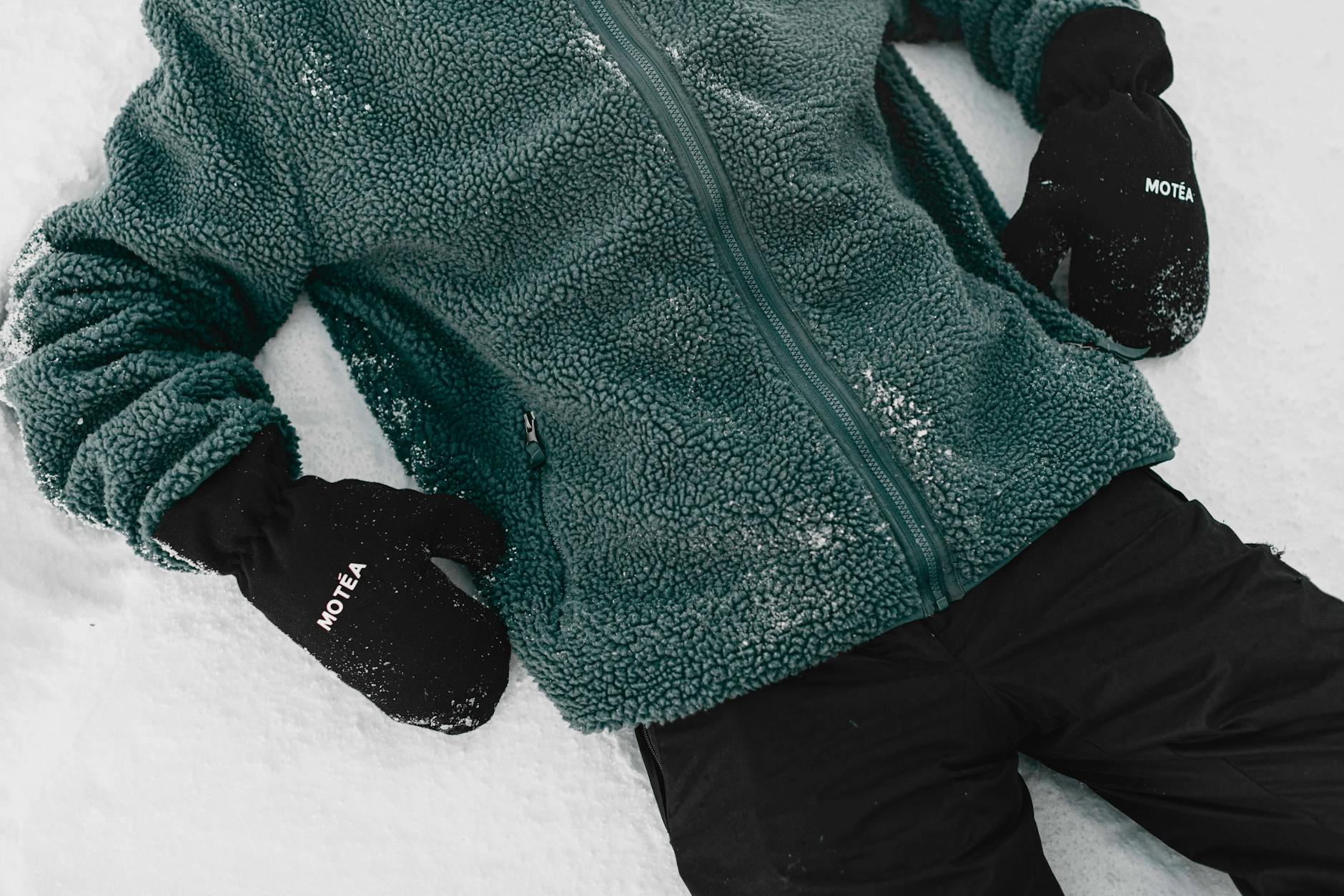
Most casualwear fails in professional environments because it signals disengagement. A hoodie reads as relaxed to the point of indifference. A puffer jacket looks ready to leave the building. The Patagonia fleece, particularly the Synchilla and the R1 styles, threads a specific needle – it communicates practicality without looking sloppy, and it carries an implicit brand message about values that many white-collar workers want attached to their appearance. Wearing it to a client meeting is a subtle declaration that you are not performing corporate dress codes for their own sake.
The texture plays a role too. Fleece sits close to the body without being clingy, and it has enough visual structure to hold its shape when styled with tailored pieces. When worn over a crisp white shirt with chinos or slim trousers, the resulting silhouette borrows from the relaxed ease of a weekend outfit without losing the composed quality that office environments still demand. The color palette that Patagonia regularly releases – muted greens, dusty terracottas, navy, oatmeal – maps almost perfectly onto the neutral professional wardrobe most office workers already have. There is very little styling effort required, which is a large part of the appeal.
Price point matters in ways that are uncomfortable to say plainly but impossible to ignore. A Patagonia fleece costs enough – typically between $100 and $180 – to signal considered consumption rather than budget necessity, but it falls well below what a high-end knitwear brand would charge for a comparable piece. It occupies a sweet spot where aspiration and accessibility converge, making it legible across different income levels within the same office. The person earning $60,000 and the partner billing $600 an hour can both wear the same Synchilla without the garment exposing the gap between them.
The Corporate Uniform Is Dissolving
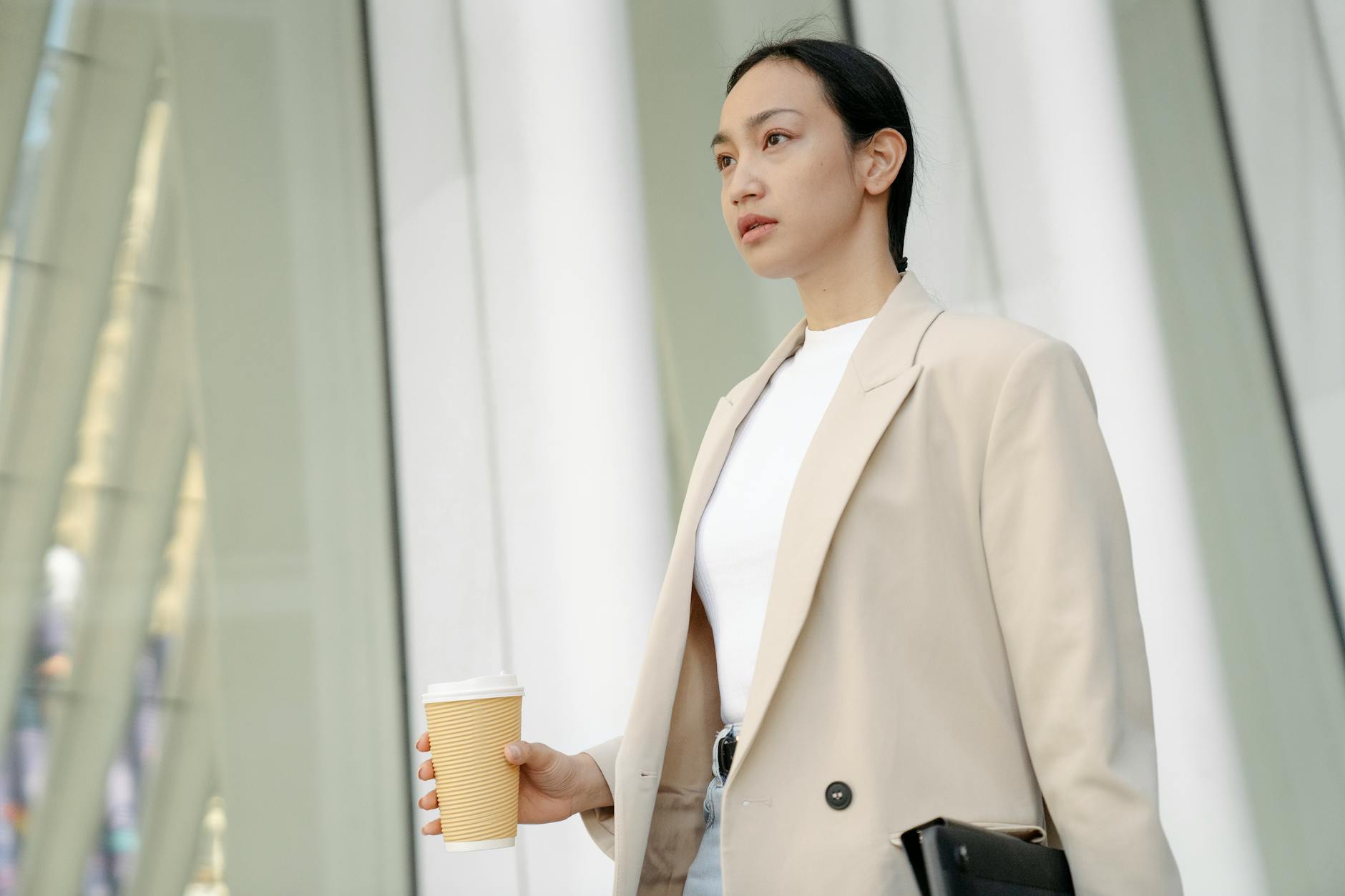
Remote and hybrid work arrangements accelerated a change that was already underway. When dress codes became optional during extended periods of home working, many workers stopped returning to their previous wardrobe habits. The blazer and button-down felt like a costume rather than a uniform. What filled the gap was often exactly this category of elevated casual – technical pieces and outdoor-adjacent clothing that felt real rather than performed.
Patagonia benefits directly from this because the brand has always sold authenticity alongside function. Its supply chain commitments, repair programs, and environmental mission are well documented and genuinely embedded in the company’s operations – not a marketing layer applied later. Wearing the brand in a professional context imports some of that identity. For a generation of workers skeptical of traditional status markers, a Patagonia fleece says something about priorities that a pressed Oxford shirt simply cannot.
How Luxury Dressing Is Absorbing Outdoor Codes
High-end fashion houses noticed the outdoor gear aesthetic well before it arrived in offices. Prada’s nylon pieces, Loro Piana’s technical fabrics, and the sustained interest in Arc’teryx among fashion-forward consumers all pointed toward the same appetite for functional materials with luxury positioning. What is now happening in offices is a trickle-down version of that – workers borrowing the logic of technical dressing without the four-figure price tags, and arriving at Patagonia as a culturally acceptable middle ground.
This dynamic has given rise to a specific kind of office styling that borrows from both directions. Fleece worn with tailored trousers rather than joggers. Fleece layered under a longline wool overcoat rather than worn solo. Fleece in a structured half-zip style paired with a collared shirt visible at the neck, echoing the polo-under-sweater tradition without the prep school connotations. The outdoor garment is being disciplined into professional service, and it accepts the assignment without losing its identity.
The brands competing in this space have taken note. Several knitwear and casualwear labels have introduced fleece-adjacent textures – sherpa collars, bouclé zip layers, pile-lined pullovers – that attempt to capture the same energy while repositioning themselves as workwear options. Some have succeeded by leaning into natural fibers and cleaner silhouettes. None of them carry the same cultural weight as the original, though, because that weight comes from the brand’s history and outdoor credibility, not from the fabric itself.
What is genuinely interesting about the Patagonia-in-the-office moment is that it did not require a campaign, a celebrity placement, or a runway moment to materialize. It grew through actual use – through people finding that the thing worked, wore well, and communicated something they wanted to communicate without requiring an explanation. That organic trajectory is rare in fashion, and it is the reason the trend has staying power that trend-driven workwear collaborations rarely achieve. The question the rest of the industry has not fully answered is whether technical outdoor gear can be replicated in spirit, or whether the credibility Patagonia carries is simply not available for purchase by a brand without thirty years of environmental commitment behind it.
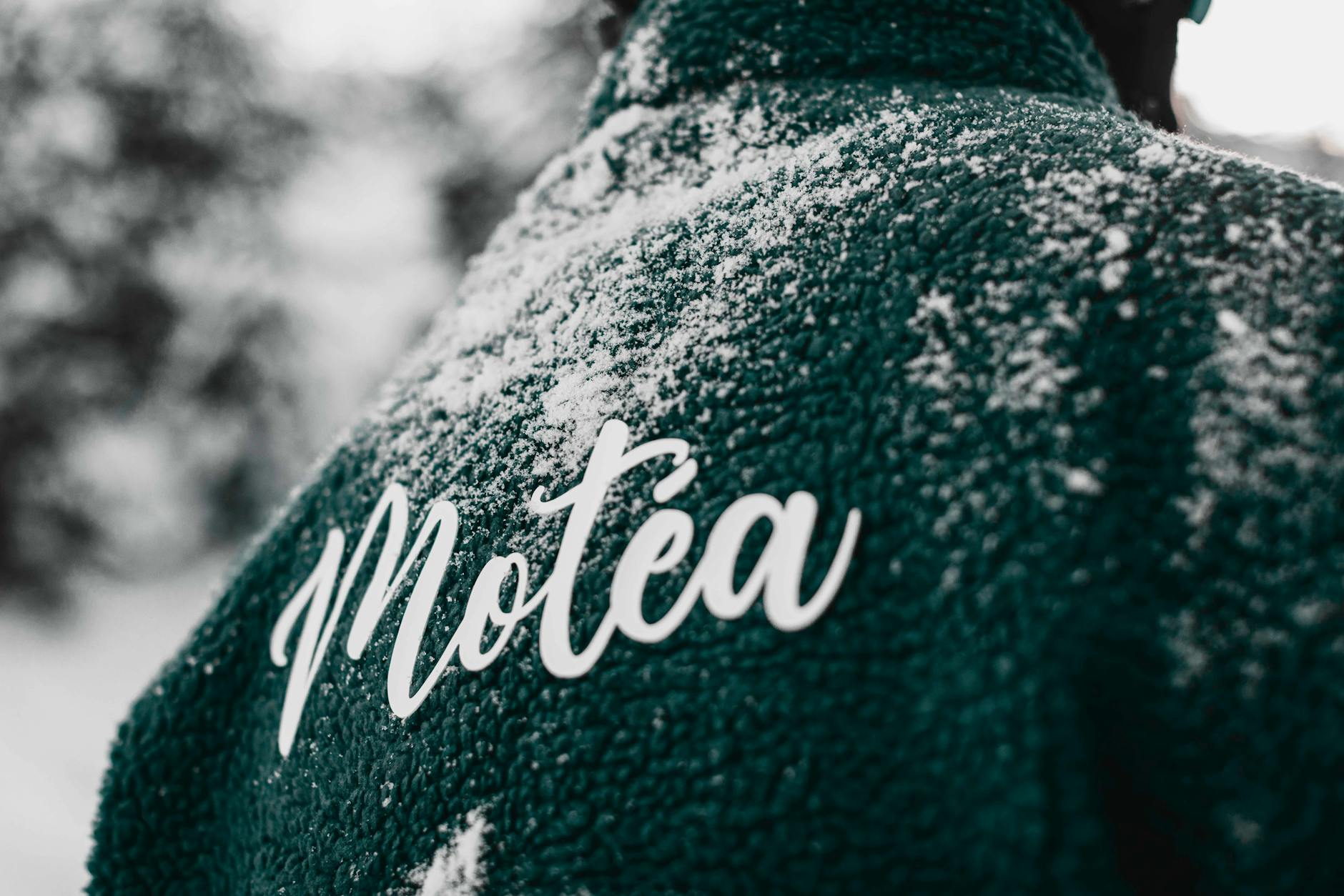
The fleece that spent decades helping people survive exposed ridgelines has become, somewhat improbably, the garment office workers reach for when they want to look like they have somewhere more interesting to be.