

Where the Polo Lawn Meets the Shoreline
White linen trousers. A crisp placket shirt with a subtle collar. A knit vest in ivory or cream. These are the uniform pieces of a Sunday polo match – and right now, they are showing up in coastal wedding photographs from the Hamptons to the Amalfi Coast with increasing regularity. The crossover is not accidental. A specific aesthetic is migrating from the sport’s sartorial vocabulary into one of fashion’s most image-conscious arenas: the destination wedding.
What makes this shift legible is the shared visual language between the two settings. Both polo club dressing and coastal wedding style prize white and off-white above all other colors, lean on natural fabrications, and carry an unspoken code about ease that reads as a kind of effortless wealth. When those two sensibilities meet, the result is something that looks less like borrowing and more like a natural arrival.

The Polo Wardrobe as a Reference Point
The polo aesthetic has always sat in a particular register – athletic enough to feel relaxed, structured enough to feel elevated. Its whites are not bridal-white or clinical-white; they carry a warmth, sometimes a slight ivory cast, that plays well against sun-bronzed skin and salt-bleached wood. That tonal specificity is exactly what coastal wedding dressing has been searching for. The starkness of a traditional white gown can feel out of place on a sandy beach or a sun-drenched terrace, while polo club whites – already softened by their sporting context – absorb that setting more naturally.
Key pieces are doing most of the heavy lifting in this crossover. Polo-inspired shirt dresses with buttoned plackets are appearing as rehearsal dinner options and bridesmaid alternatives. Wide-leg white trousers paired with a fitted knit top have become a near-standard look for coastal engagement sessions. The equestrian-influenced boot, when swapped for a strappy flat sandal, bridges the two worlds without any visible effort.
The construction details matter too. Polo garments are designed for movement – they are cut with generous armholes, use breathable cotton pique or linen blends, and avoid restrictive boning or underlining. For a wedding held outdoors in warm weather, that build logic is genuinely practical. A bride who wants to dance, walk on uneven terrain, and feel comfortable at hour six of her reception is increasingly choosing construction logic over ceremonial architecture.
How Grooms and Wedding Parties Are Wearing It
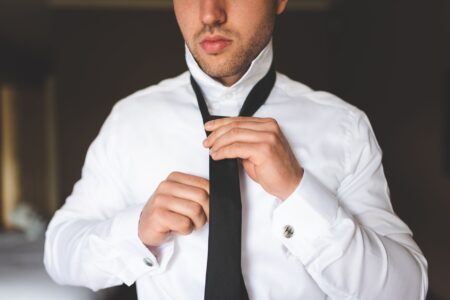
The polo influence has arguably taken hold fastest on the men’s side of wedding dressing. Cream or white linen suits have been a staple of beach weddings for years, but the newer version incorporates polo-specific details: a subtle placket on the shirt rather than a full spread collar, a lightweight knit layer instead of a traditional waistcoat, trouser cuts that are wider and less formal than a classic suit pant. The silhouette reads as dressed up without performing formality, which aligns with how a growing number of couples are framing their celebrations – as a gathering rather than a ceremony.
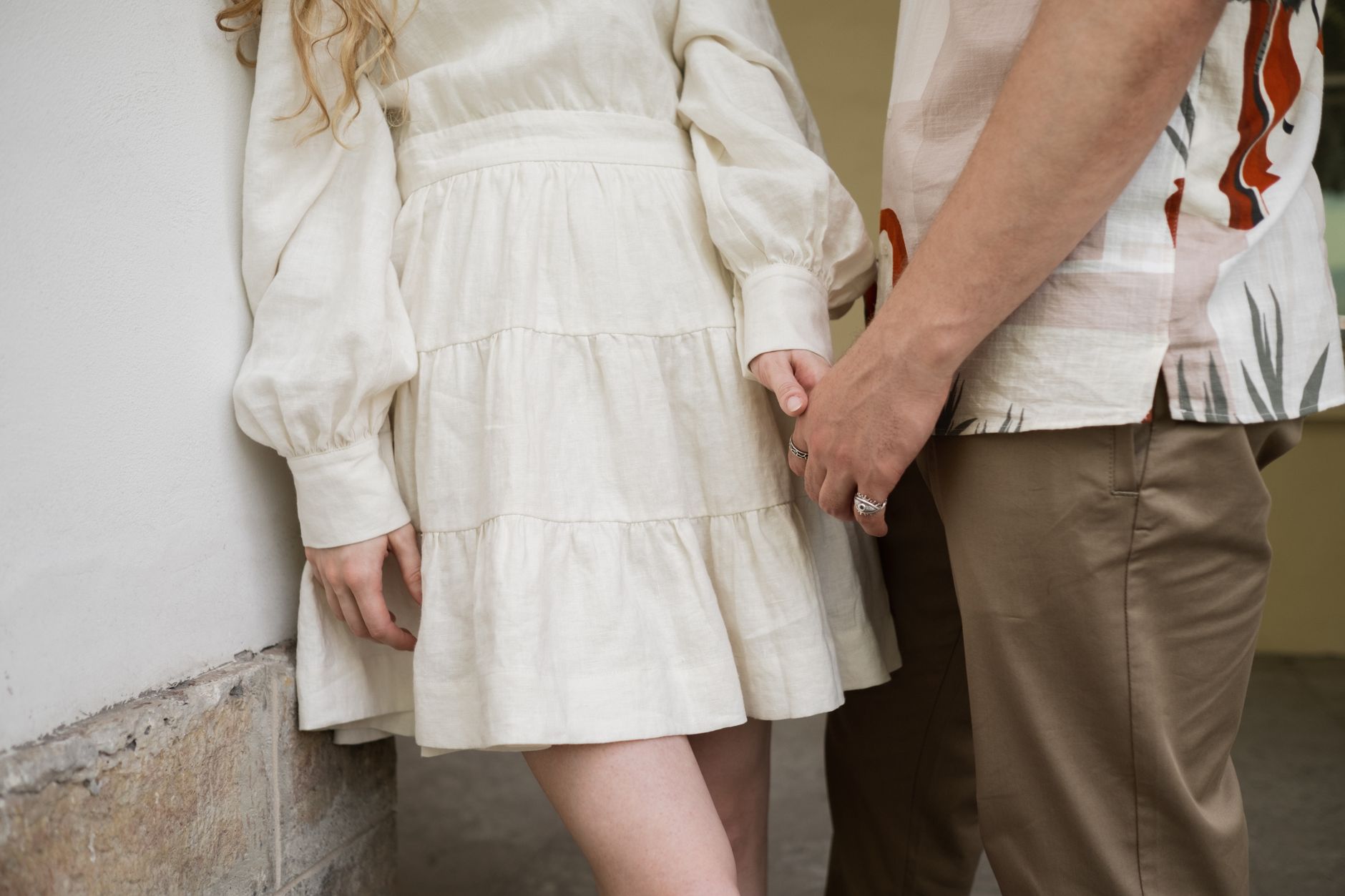
For wedding parties, the polo-white palette offers a workable solution to the perennial bridesmaid problem: matching without uniformity. When the anchor color is white and the reference point is sporting casual, guests and attendants can pull from a wider range of styles – a midi dress here, wide-leg trousers and a blouse there – while remaining visually cohesive. The polo club, after all, has always tolerated a range of silhouettes within its dress code.

Why This Moment Is Specific
The timing of this crossover connects to a broader appetite for what might be called “context-specific dressing” – clothes that feel like they belong to a place rather than an occasion. Destination weddings, already growing in popularity before travel restrictions brought them to a halt, came back stronger and with a sharper visual identity. Couples who planned weddings in coastal or resort settings began looking for references that came from those environments rather than from traditional bridal retail, which still centers on the ballroom and the cathedral.
Polo as a reference also carries a specific cultural weight that coastal wedding aesthetics seem to want. The sport’s visual associations – old money, outdoor leisure, a certain Anglo-American prep tradition updated for the twenty-first century – translate into imagery that photographs beautifully against natural backdrops. This is not about the sport itself; most couples wearing polo-adjacent whites have never attended a match. It is about the visual grammar the sport has accumulated over decades, which now reads as a design shorthand for a particular kind of elegance. The tailoring codes of collegiate and club sportswear have been finding mainstream applications for several seasons now, and bridal is simply the latest context to absorb that vocabulary.
Bridal designers have noticed. A number of independent labels working in the contemporary bridal space have quietly added pieces to their ranges that would not look out of place at a club match: shirt-style wedding dresses with relaxed bodices, linen separates sold as bridal alternatives, trouser suits in soft white cotton with a sporty cut. These pieces rarely appear under the “polo-inspired” label – they are more likely to be described as “resort,” “coastal,” or “relaxed luxury” – but the visual source material is the same.
The practical ceiling for this trend is real. Polo whites carry a specific social legibility that not every couple wants embedded in their wedding aesthetic. The references are narrow and culturally specific – they read clearly to a certain audience and can feel exclusionary or simply irrelevant to another. A wedding set in a vineyard, a city rooftop, or a forest clearing calls for an entirely different visual logic, and the polo club offers nothing useful there. The trend’s reach is likely to stay concentrated in the resort and coastal wedding market, where the backdrop provides context that makes the reference feel earned rather than arbitrary. Whether that market is large enough to sustain a full category shift in bridal retail is the question no one has answered yet.