
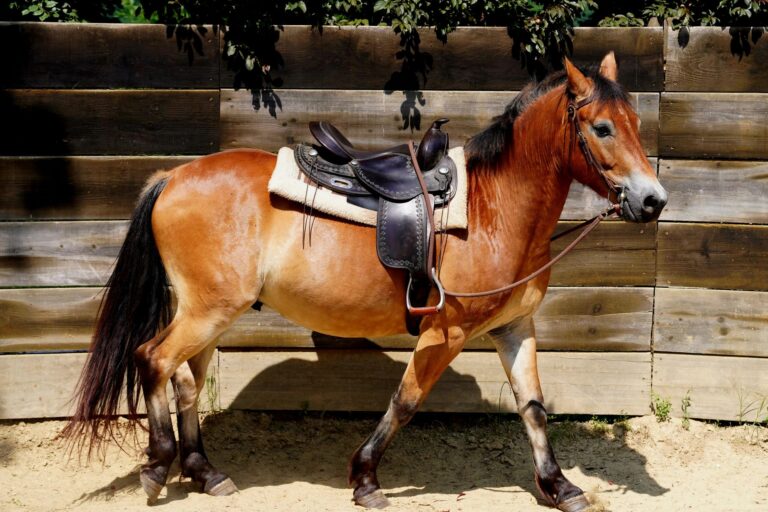
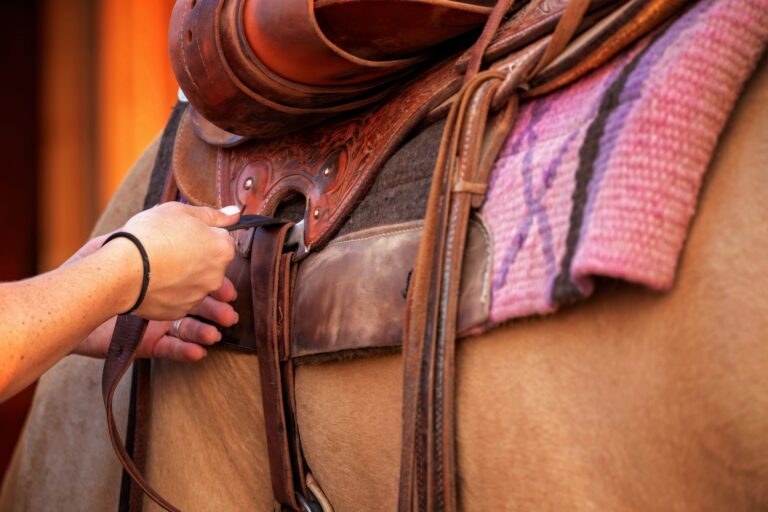



Polo breeches saddle knee roll stitching is quietly influencing how structured trousers hold their shape through the thigh and knee. Here’s how it works.

Polo club saddle cantle skirt vents are crossing into structured midi pleats, borrowing equestrian tailoring logic to solve a real problem with pleat geometry and stride restriction.




Funeral directors nationwide are abandoning traditional black attire for colorful, contemporary professional wear that better serves grieving families.

Monastery-inspired minimalism transforms modern wardrobes as consumers embrace capsule collections that mirror monastic dress codes for simplicity and sustainability.

Food service uniforms have evolved from basic workwear to fashionable statement pieces that boost employee confidence and brand identity.

Architecture students are revolutionizing fashion by applying structural engineering principles to clothing design, creating durable garments built like buildings.

Luxury fashion embraces Depression-era mending techniques, transforming survival skills into high-end design statements and sustainability symbols.

Postal worker uniforms are inspiring spring’s biggest utilitarian fashion trend, from luxury runways to street style.




The Eton Oppidan stick up collar is moving from institution to runway as designers discover its structural logic for sculpting the neck and jaw.

The grosgrain ribbon from the Eton boater hat is being applied to minimalist headbands, bringing institutional stripe codes into contemporary accessories design.

Croquet hoop spike geometry is reshaping structured heel design, offering a new engineering logic for stability, silhouette, and material choice in footwear.

Eton College rowing shorts are directly influencing tailored swim silhouettes, with designers borrowing their forward seams, flat waistbands, and bound hems to build structure without added weight.