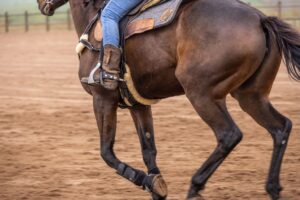

Polo stirrup iron side bars are framing minimalist mule shanks – a functional equestrian detail becoming a design statement in quiet luxury footwear.

The polo club saddle knee block welt is moving from riding breeches into structured tailoring, bringing functional seam architecture to everyday trousers with surprising precision.



Funeral directors nationwide are abandoning traditional black attire for colorful, contemporary professional wear that better serves grieving families.

Monastery-inspired minimalism transforms modern wardrobes as consumers embrace capsule collections that mirror monastic dress codes for simplicity and sustainability.

Food service uniforms have evolved from basic workwear to fashionable statement pieces that boost employee confidence and brand identity.

Architecture students are revolutionizing fashion by applying structural engineering principles to clothing design, creating durable garments built like buildings.
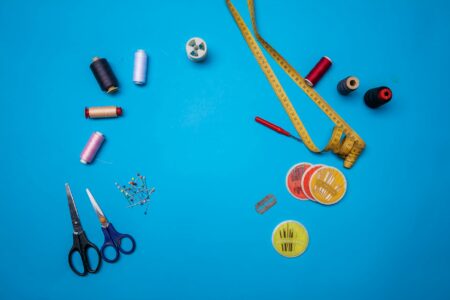
Luxury fashion embraces Depression-era mending techniques, transforming survival skills into high-end design statements and sustainability symbols.

Postal worker uniforms are inspiring spring’s biggest utilitarian fashion trend, from luxury runways to street style.


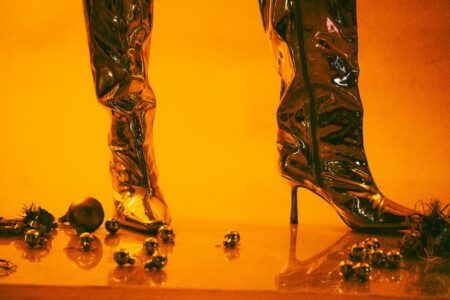
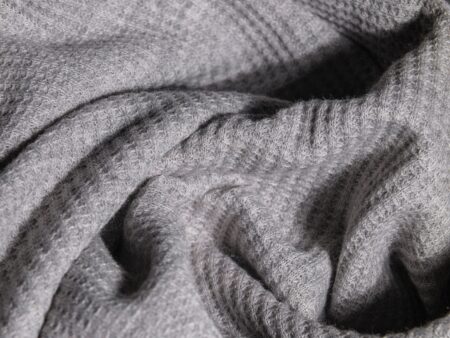
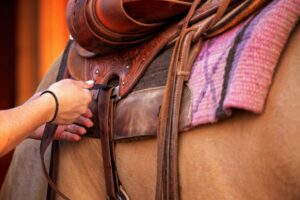
Wool numnahs from polo club saddlery are moving into outerwear linings, offering warmth, breathability, and artisanal quilted texture that synthetic alternatives can’t match.
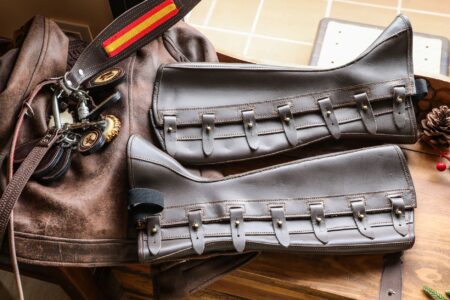
Stirrup leathers from polo saddles are translating into trouser strapping – a precise, adjustable detail with real tack room construction logic and a quietly aristocratic edge.
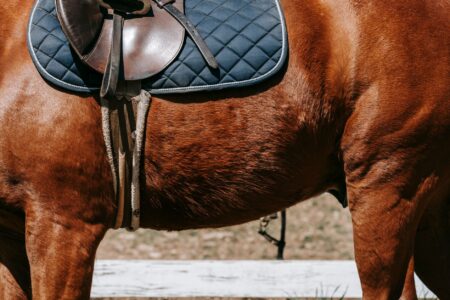
Polo saddle gullet channels are shaping bag spines with hidden structure. Here’s why this equestrian engineering detail is solving minimalism’s oldest problem.

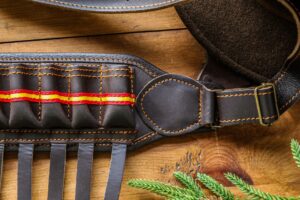
Girth billets from polo saddles are crossing into fashion as structural corset detail, with staggered buckle straps redefining boned bodices and belted tailoring.