

The Court Is Calling
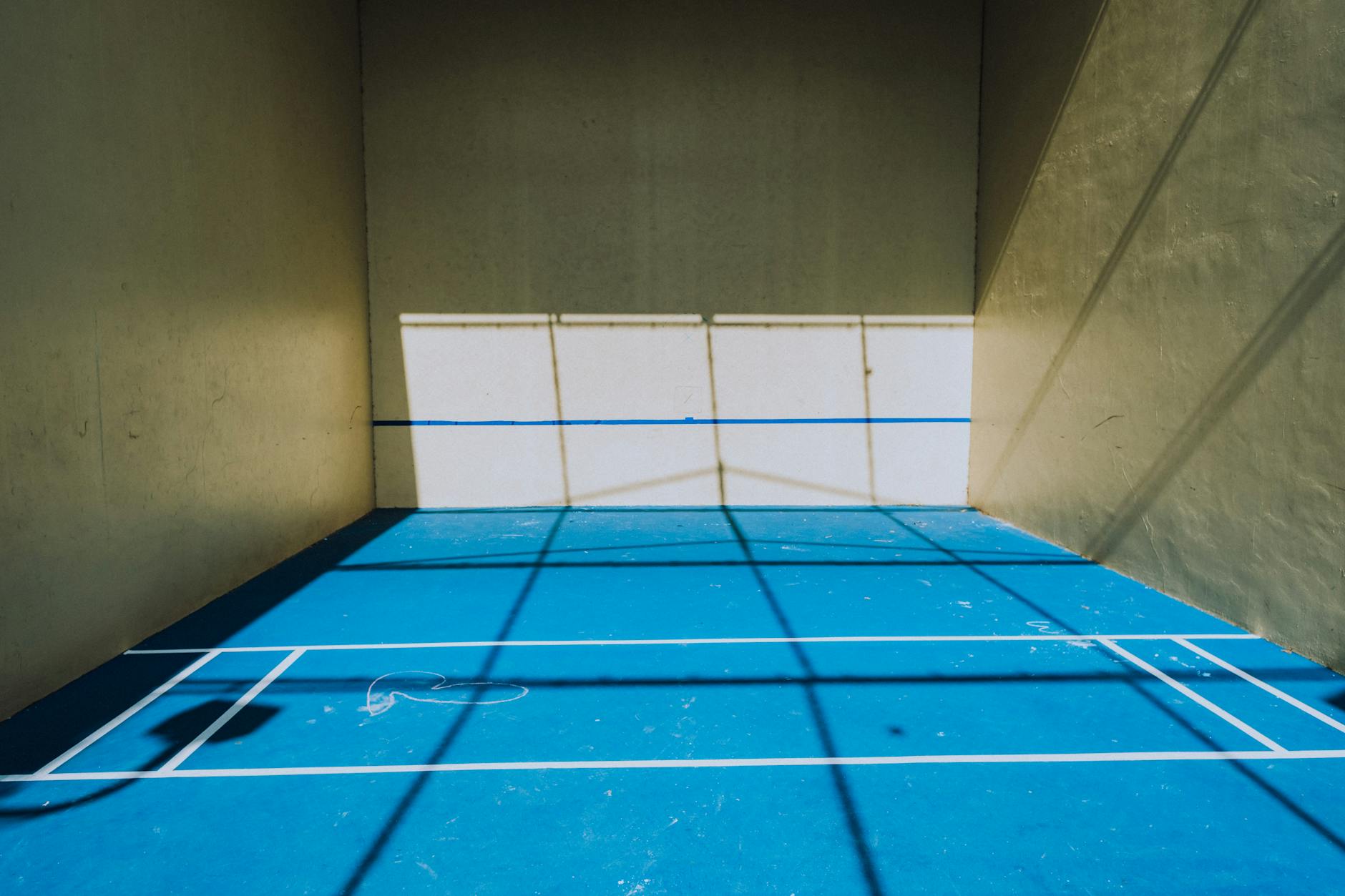
Squash has always carried a particular kind of social currency – the wood-paneled clubs, the compressed rubber ball whipping off the walls, the post-match handshake between people who take their leisure seriously. But something has shifted in how that world translates to clothing. The technical kit worn inside the court is no longer staying there. It is moving into coffee meetings, gallery openings, and Friday evening drinks with the same confidence it carries in a 30-by-20-foot glass box.
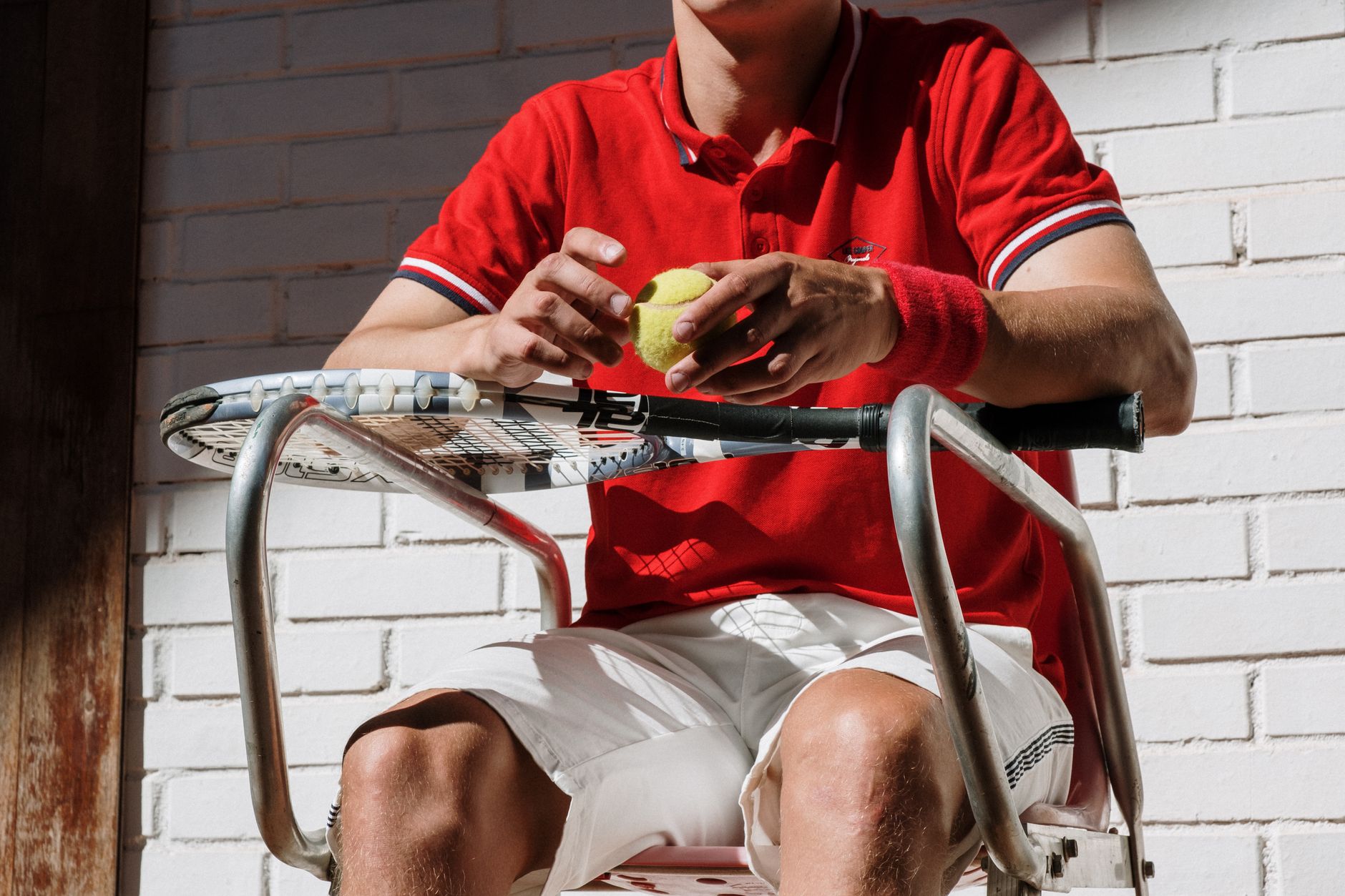
The look borrows from a very specific visual vocabulary: slim-fit shorts cut just above the knee, moisture-wicking polos in muted or chalk-bright colorways, court sneakers with flat gum-rubber soles, and racket bags worn over one shoulder like an architectural accessory. None of these pieces are new. What is new is how they are being assembled for contexts that have nothing to do with physical exertion.
This is not athleisure. Athleisure softens sportswear into loungewear. Squash court dressing does the opposite – it keeps the structure and the sharpness.
Why Squash Specifically
Racket sports have been circling fashion for a while. The polo shirt’s migration from the court to the office is well-documented. Tennis aesthetics have been thoroughly absorbed by luxury streetwear. Padel has had its moment. But squash holds a specific appeal precisely because it never went fully mainstream – it stayed tucked inside private clubs and university sports halls, which gives it a kind of referential exclusivity that other racket sports have lost.
That insider quality is part of what makes the clothing interesting to people who are not playing squash and have no intention of starting. A slim technical polo in cream or deep navy, paired with tailored shorts and a low-profile court shoe, reads as knowing rather than sporty. It signals awareness of a world most people have only glimpsed through a glass viewing panel. The garments themselves are designed for extreme lateral movement and sudden stops, which means they are cut with a precision and functionality that most casual sportswear never achieves. That technical backbone is visible in the fit, and people are responding to it.
The color palette helps, too. Squash kit tends toward the restrained – white, off-white, navy, forest green, the occasional deep burgundy. There is very little of the neon maximalism that made gym wear look aggressive and conspicuous on the street. Squash clothing arrived at neutral territory by necessity, and neutral territory is exactly where after-work dressing currently wants to live.
How to Actually Wear It Off the Court
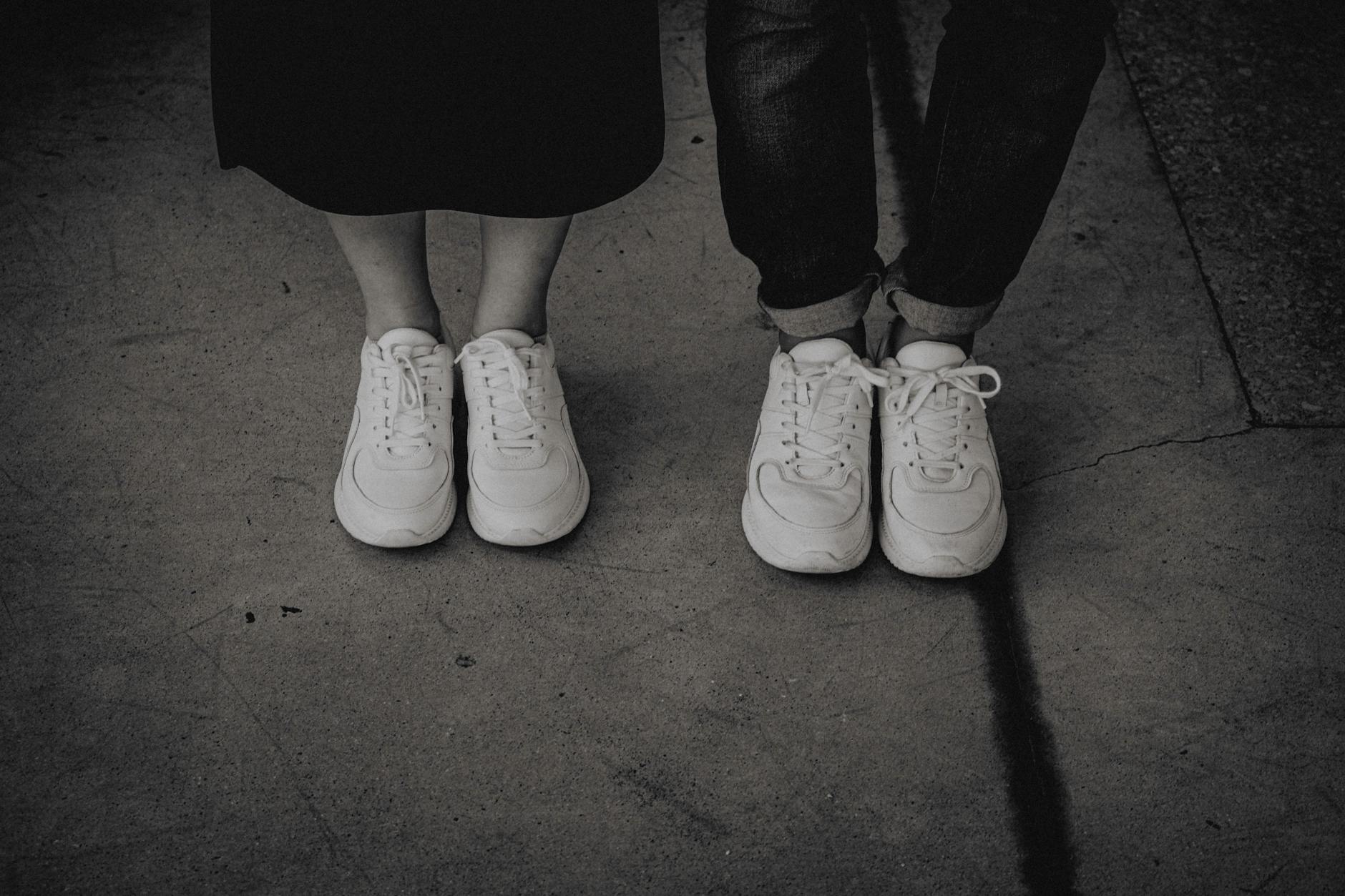
The pieces that translate most cleanly are the ones with the least obvious sporting signage. A squash polo without a brand logo blasted across the chest looks, in most settings, like a well-cut knit top. Court shorts in a technical fabric with a clean hem work as warm-weather tailoring alternatives. The flat-soled court sneaker – think Asics Gel-Blast, or older Prince models still circulating on resale platforms – functions like a minimalist low-top in a way that bulkier training shoes cannot.
Layering is where the look develops some versatility. A structured overshirt or a light unlined blazer dropped over a squash polo pulls the outfit firmly out of sport and into something that works at a restaurant with no dress code or a creative agency’s open-plan offices. The key is keeping the lower half clean – slim technical shorts or tailored chinos, never cargo pockets or wide-leg cuts, both of which push the silhouette in the wrong direction. The squash court look is fundamentally about a slim, vertical line with minimal distraction.
Accessories deserve more attention than they usually get in this conversation. A slim racket bag in canvas or technical nylon – worn crossbody or over one shoulder rather than in-hand – works as a carry-all with more visual personality than a standard tote. Some brands have started producing bags that reference court sports without branding them explicitly as such, which gives the wearer plausible distance from the sporting origin if they want it.
A New Kind of After-Work Uniform
What makes squash court dressing stick as a trend rather than a passing reference is that it solves a real problem. The gap between office-appropriate and evening-ready has gotten harder to bridge as dress codes continue fragmenting, and most people want one outfit that works from 5 p.m. onward without a full change. Squash kit – because of its precision cut, its neutral palette, and its quiet exclusivity – does that job better than most casualwear hybrids currently competing for the same wardrobe slot. The question is whether the brands that actually make performance squash equipment will recognize the opportunity before heritage and luxury labels move in and claim the aesthetic entirely.