

Barre class is having a cultural moment that extends far beyond the studio. What began as a niche fitness method rooted in ballet technique has become a quiet but insistent force shaping what athleisure looks like right now – specifically in terms of silhouette, fabric weight, and the revival of details that performance wear had long abandoned.
The Barre Aesthetic and Why It Reads Differently Than Yoga or HIIT
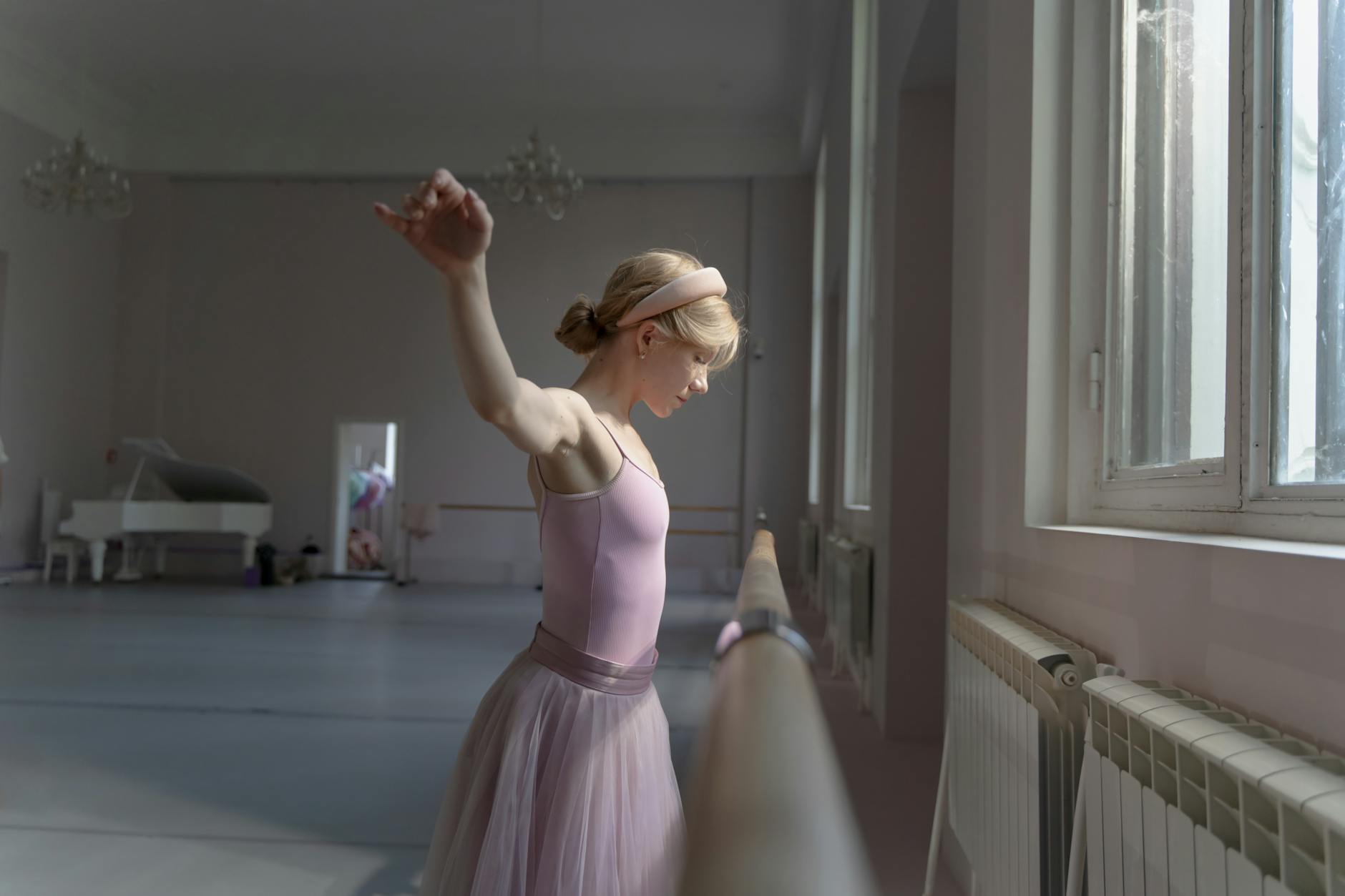
Barre studios operate in a distinct visual register. Unlike the compressive, body-mapping aesthetic of cycling or HIIT culture, barre draws heavily from classical dance – which means fitted but not tight, elongating rather than contouring, and a quiet elegance that favors wrap details, ribbed knits, and high-waisted cuts that sit at the natural waist rather than the hip. That distinction matters because it changes the entire geometry of a workout outfit.
The silhouette barre culture favors is narrow through the leg and slightly looser through the torso – the inverse of the standard athleisure formula. Flared or slightly wide-leg crops, long-line tanks with drape, and wrap skirts worn over leggings have all migrated out of the studio and into the broader casualwear conversation. Brands that used to focus exclusively on compression technology are now developing fabrications that move more like jersey and less like technical neoprene, largely in response to this shift in demand.
There is also the matter of color. Barre dressing leans toward muted, dusty tones – sage, clay, warm ecru, faded lavender – rather than the saturated neons associated with high-impact fitness wear. This palette travels naturally into everyday wear and sits comfortably alongside linen, denim, and soft suiting, which is one reason the barre-adjacent look has found traction outside gym contexts. It photographs well in natural light. It reads as put-together without obvious effort. Those are not small considerations in the current fashion climate.
The detail vocabulary is equally specific. Ruching at the waist, ruffle hems at the ankle, thin straps over wider straps, and wrap fronts are all barre signatures, and all of them are now appearing in broader ready-to-wear collections from labels that have no direct connection to fitness. When a silhouette migrates from a functional context into fashion without being styled or repositioned, that is a signal worth paying attention to.
How the Studio-to-Street Pipeline Actually Works
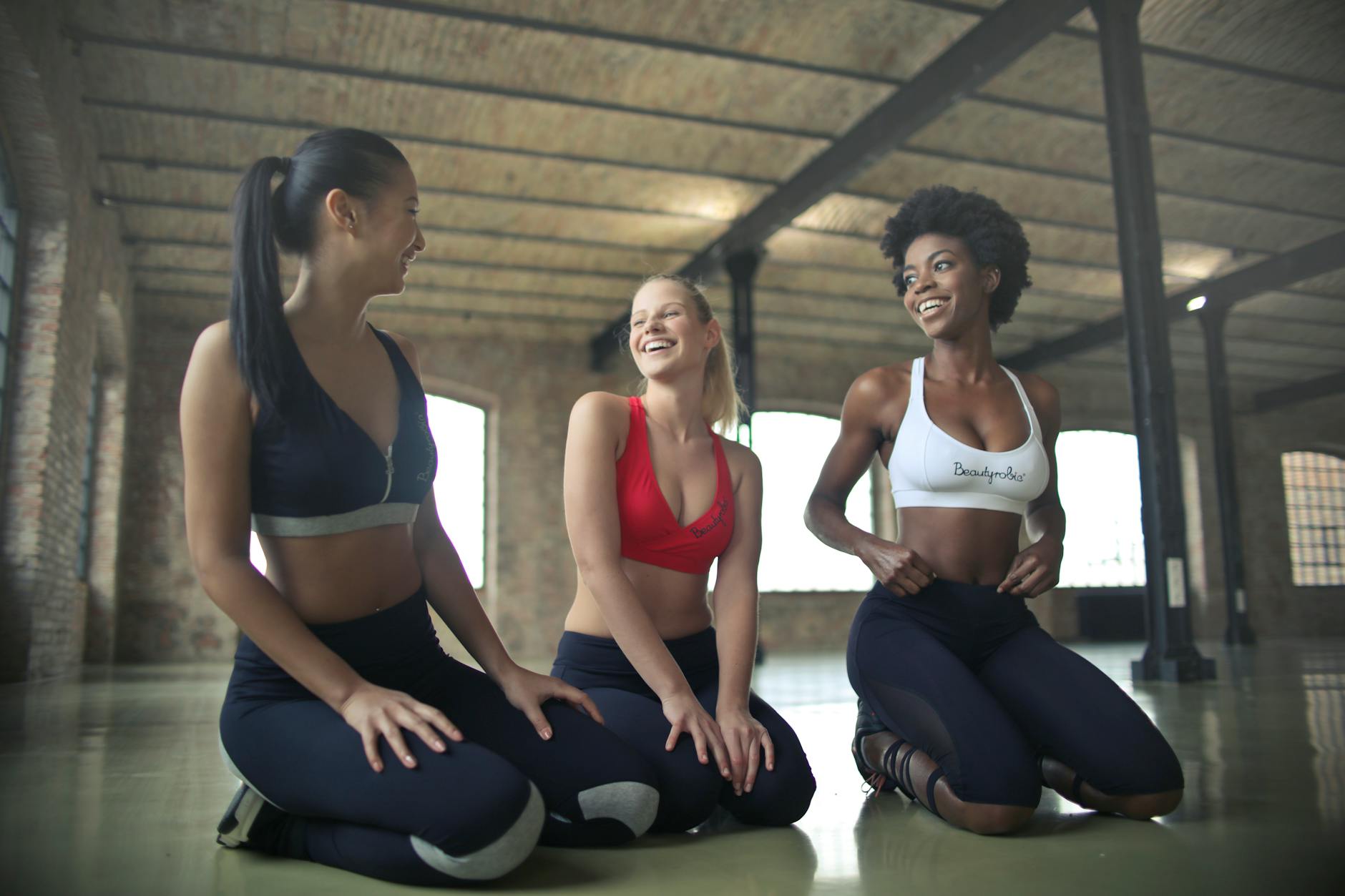
The mechanism here is worth understanding clearly. Barre studios, particularly the boutique format that has grown steadily in urban markets, attract a consumer who is fashion-conscious, brand-aware, and looking for gear that works in multiple contexts – the coffee stop before class, the errand run after, the weekend brunch that follows a Saturday morning session. That consumer is not buying separates for the sole purpose of performance. She is buying a look, and the look needs to function socially as well as physically.
This creates a very different design brief than traditional sportswear. The garment has to read as stylish in a non-gym environment without requiring a change of clothes. That means the construction has to be clean enough to stand alone – no visible moisture-wicking seaming, no reflective panels, no mesh inserts that signal “workout only.” What fills that space instead is a refined minimalism: smooth ribbing, thoughtful cut lines, elastic waistbands that sit flat and look intentional rather than functional.
Footwear is a useful indicator of how deep the influence runs. Grip socks – once exclusively a studio accessory – have moved steadily into streetwear territory. Worn with wide-leg trousers, styled with loafers or worn exposed with cropped pants, they have shed their functional framing entirely. A growing number of brands are producing grip socks in fashion colorways and collaborating with designers who have no connection to fitness, treating them as a standalone accessory rather than studio equipment.
The broader athleisure market has been recalibrating for several seasons now, moving away from the maximalist technical look that dominated the late 2010s toward something quieter and more versatile. Barre’s aesthetic fits that recalibration naturally – it was never loud to begin with. But there is also an active borrowing happening, where brands are specifically studying what barre-goers wear and using that as a design starting point rather than working from performance data alone.
The wraparound element deserves its own note. Wrap waistbands, wrap tops, and wrap-style skirt overlays have become a defining detail of the current season’s activewear drops across multiple price points. At the high end, this translates to cashmere-blend wraps designed to be worn into class and kept on through lunch. At accessible price points, wrap-front tanks and tie-waist shorts are appearing in mainstream sportswear collections as a core item rather than a specialty style. The line between a barre wrap and a casual summer top is increasingly difficult to draw, which is exactly how cross-category dressing works when it is functioning well.
What This Means for the Next Athleisure Cycle

The convergence of barre aesthetics with mainstream fashion points toward a sustained interest in what might be called “soft structure” – garments that have clear shape without rigidity, that use drape and wrap instead of compression to define the body, and that prioritize a certain visual restraint over technical spectacle. Golf skorts followed a nearly identical path – a niche athletic silhouette that crossed into everyday dressing because it solved the same multi-context problem elegantly.
The question is whether barre’s influence produces a lasting silhouette shift or a trend cycle that peaks and collapses. The difference usually comes down to whether the functional logic of the garment is strong enough to survive outside its original context. Compression wear survived because the body-mapping silhouette served a broader cultural moment. The barre silhouette – elongating, wrap-detailed, softly structured – serves a different mood, one that is currently very much in step with where casualwear is moving. Whether the flared-leg crop holds its ground against the return of straight-leg dominance in denim and trousers is the unresolved tension sitting at the center of next season’s buying decisions.